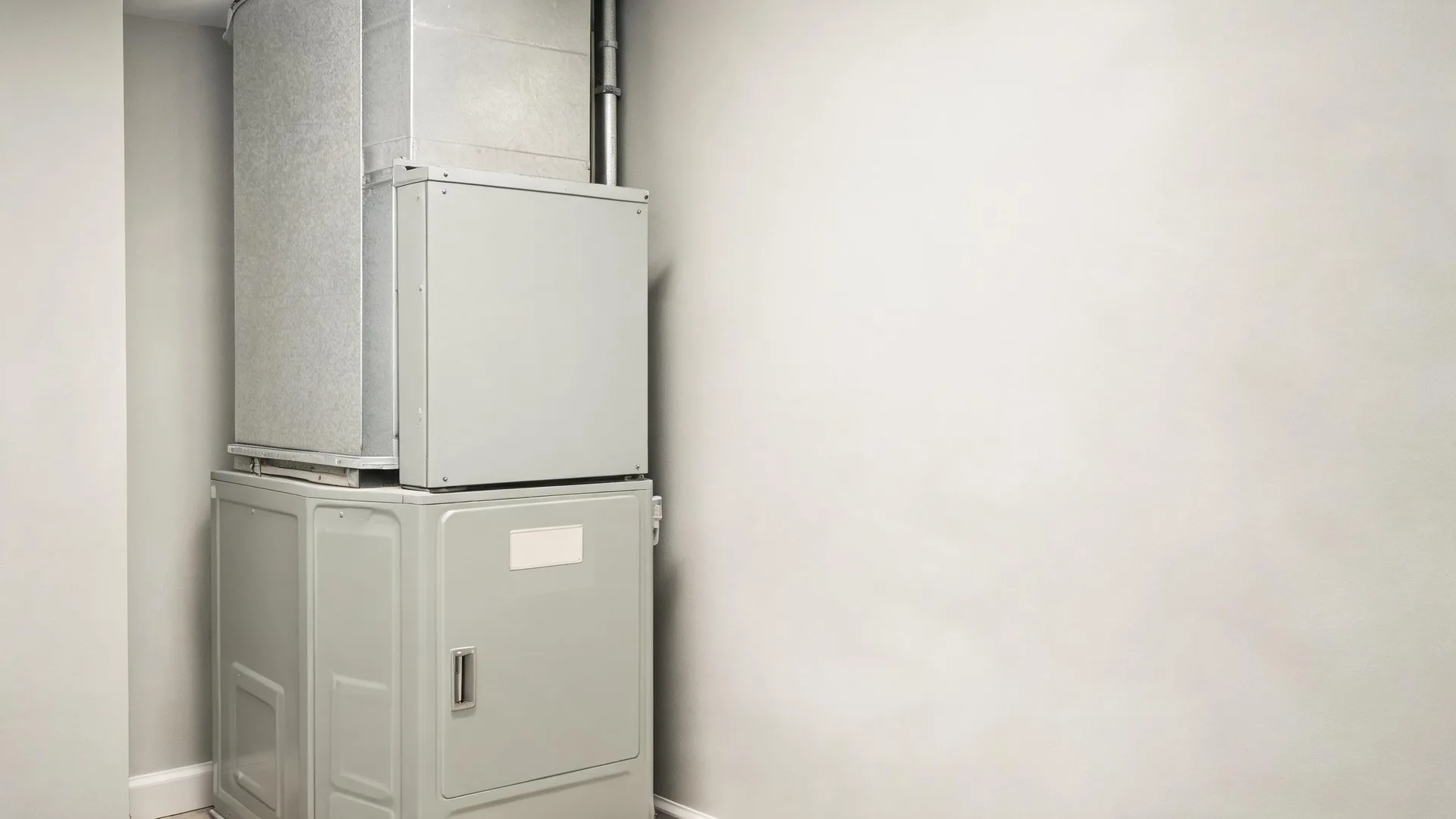
Most homes here run on electric heat
Electricity heats 75.5% of occupied homes in Vermilion Parish. Gas furnaces are the minority, with utility gas at 21.3% and propane at 1.9%.
Takes about a minute. No obligation.
Electricity heats 75.5% of occupied homes in Vermilion Parish. Gas furnaces are the minority, with utility gas at 21.3% and propane at 1.9%.
If your home came with an electric furnace or heat pump, replacing it with the same fuel type means the existing wiring and setup are already in place. Switching to gas means running a new gas line, which is a bigger job.
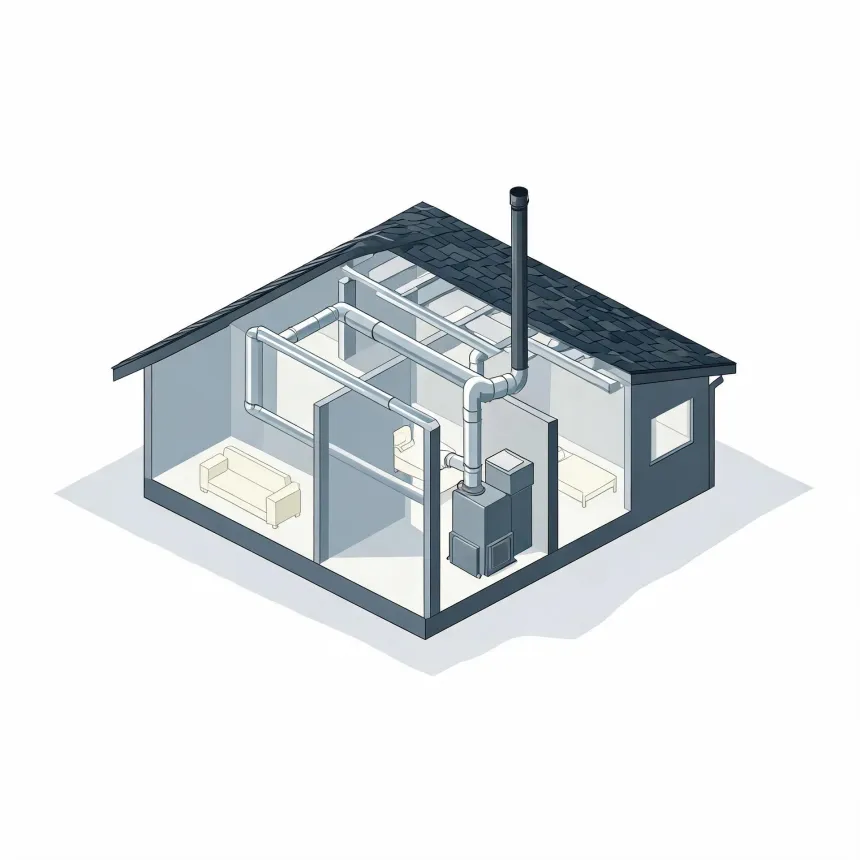
NOAA nClimDiv, 1991–2020 normals
Vermilion Parish logged 36 severe weather events between 2015 and 2024, mostly wind.
A standard furnace install holds up fine here. Nothing about this parish calls for oversizing it.




Your furnace in Abbeville only has to work five months out of the year, November through March. Overnight lows average 46°F through the worst of it, December through February. That's not the kind of cold that pushes a system hard. A furnace sized right for your house and run on a normal schedule isn't fighting for its life most nights it runs. That means the mid-range furnace is a fair choice here, not just the top-tier one. Less strain over the years also means age and upkeep matter more than brute cold ever will.
October is the month before furnace season starts in Vermilion Parish, and heat runs November through March. Installing before November means the job gets done on your timeline, with time to work out any issues before you need the furnace every night.
Find a contractorThe old furnace does not get reused anywhere. Once a heat exchanger has run for years, no one reconditions it and puts it back into service, so the unit coming out is heading for salvage. The installer drains it of any residual gas pressure and caps the line before disconnecting anything. If the furnace is old enough, the metal in the cabinet and the coil inside may contain materials that scrap handlers pay for separately, which is part of why haulaway is usually included rather than left for the homeowner to arrange. What matters more than where it goes is what its condition tells the installer. A cracked heat exchanger, a scorched burner, or a blower motor seized from years of dust says something about how the replacement should be set up, whether the ductwork was ever matched to the load, whether the vent run gave it trouble. The new furnace inherits that same ductwork and venting unless someone corrects it on the way in.
The efficiency rating on a furnace tells you how much of the fuel it burns turns into heat in your house, measured under set conditions in a lab. Your actual results depend on the ductwork carrying that heat, how well the furnace is sized to the house, and whether it gets serviced on schedule. A high rating on the label does not override a leaky duct run or a furnace too big for the space.
Moving from a mid-range furnace to a top-tier one buys back a few more percentage points of fuel turned into heat. The jump from no furnace to a mid-range one, or from a failing furnace to a working one, matters far more than the jump from mid-range to top-tier. Once a furnace is sized right and maintained, the efficiency rating stops being the thing that decides whether you're comfortable.
Size is what sets the price before anything else gets decided. A furnace sized to the house runs the way it's supposed to. It reaches temperature and shuts off. One sized wrong either short cycles, turning on and off before it ever evens out the house, or runs long and still can't keep up. Getting the size right takes a load calculation, not a guess based on the old unit or the square footage alone. Beyond that, what the ductwork needs drives a lot of the job. If the existing ducts are undersized, leaky, or routed in a way that fought the last furnace, the installer has to address that too, and that work costs more than swapping one box for another. The furnace itself is one line item. Getting combustion air, venting, and ductwork right is what makes it actually work in that house.
Installation day starts with the old furnace coming out. Gas and electrical get disconnected first, and if the unit sits in a closet or attic, getting it out can take as long as putting the new one in. The new furnace gets set in place and leveled, then connected to the ductwork, the gas line, the vent, and the power. The installer pressure tests the gas connection before anything gets fired. They also check the vent run, because exhaust has to leave the house on its own, not back up into it. Startup comes last. The burners fire, the flame gets checked, and the furnace runs a full cycle so it can prove it reaches temperature and shuts off on its own. A rushed startup check is usually the reason someone calls back a month later.