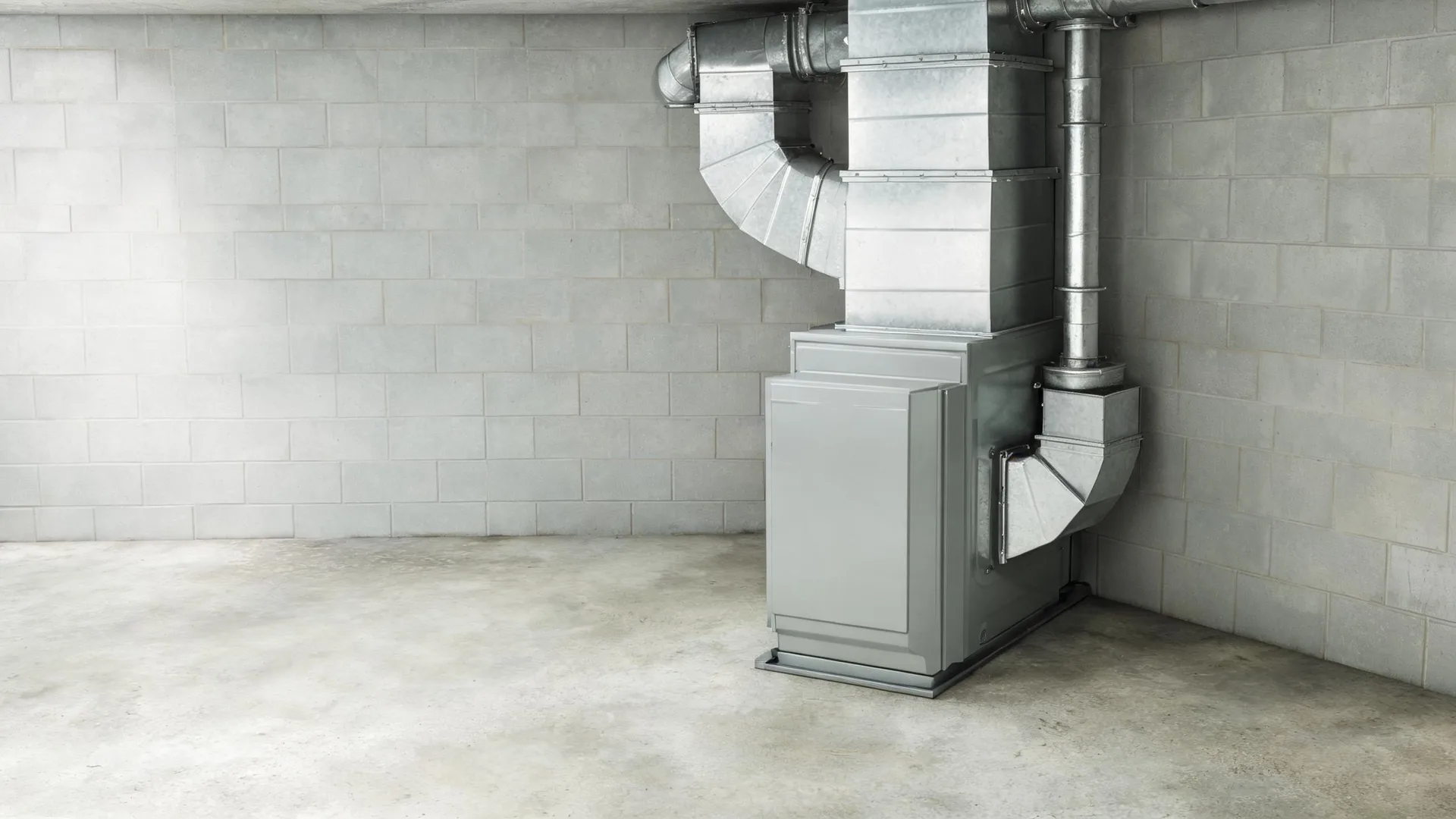
Electric heat is the norm here
Electricity heats 84.3% of homes in St. Martin Parish, against 13.6% on utility gas. A furnace going into a home here is almost always replacing an electric system.
Takes about a minute. No obligation.
Electricity heats 84.3% of homes in St. Martin Parish, against 13.6% on utility gas. A furnace going into a home here is almost always replacing an electric system.
If your home already runs on electric heat, matching the existing setup is usually the straightforward path. A switch to gas means running a gas line that may not be there, which is a bigger job than a swap.
NOAA nClimDiv, 1991–2020 normals
Half the homes in St. Martin Parish were built in 1986 or earlier, half later.
A furnace sized for a standard home fits either one, no special case needed.



Furnace here only has to work November through March, about five months. Overnight lows average 44°F across December, January and February, nowhere near the single digits a furnace up north has to handle. That's a mild load for the equipment to carry winter after winter. A mid-range furnace will keep up fine with weather like this. The high-efficiency models are built for homes that run heat most of the year, which isn't the case here.
Electricity here runs $34.38 per million Btu, cheaper than most of the country. A high-efficiency furnace earns back its extra cost through lower bills, and at this price that takes longer to pay off. A mid-range furnace already fits what winter here asks of it, so the extra cost of the high-efficiency model has less to make up for.
Find a contractor
Five months of heat a year, with lows in the 40s. That's not much for a furnace to carry. Spend less time shopping for the highest efficiency rating and more time picking a unit with a track record, put in by someone who sets it up right. A basic furnace installed well will outlast a high-end one installed in a hurry.
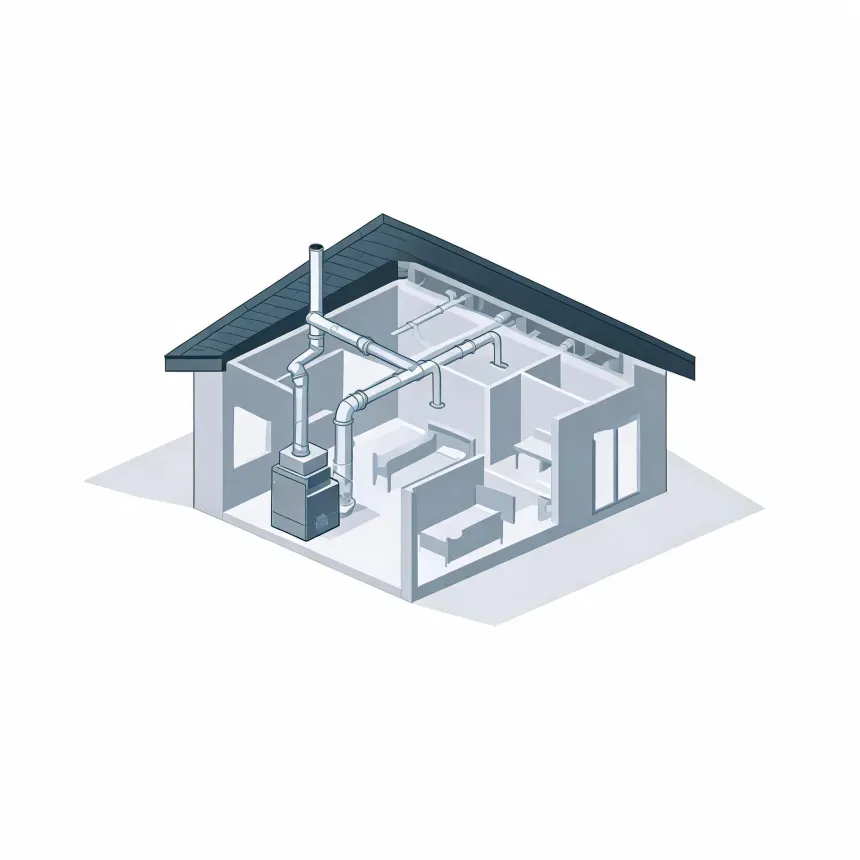
If the ducts already in place are sized right and sealed well, a new furnace connects to them and that's most of the job. If a duct run is too small, leaky, or was built for a different kind of system, the installer has to fix or replace sections before the furnace can do its job. That work is often harder to predict than the furnace itself.
A straight swap into the same closet or utility space, with the same vent and same gas or electric hookup, is quick work. Moving the unit, changing how it vents, or running new electrical or gas lines to reach it adds steps an installer has to plan around. Where the old one sat and what it was connected to shapes how much work the new one takes.
Ask what happens if the heat exchanger fails down the line, not just what it costs today. Most carry a long warranty on that part, but labor to pull a furnace apart and swap it isn't usually included, so find out what that would run. Ask about the blower motor too. Some are a single fixed speed, others vary to match the load, and that affects how even the heat feels room to room. Get the actual input rating, not just the brand name, and check it against the size of the space it's heating. A furnace too big for the job cycles on and off more than it should, and that wears on the parts that start it up each time.
Installation day starts with the old furnace coming out, and the installer checking the space before the new one goes in. The vent connection gets inspected, since a furnace has to exhaust properly or it isn't safe to run. If it burns gas, the line gets pressure tested before the furnace is ever fired up. Electrical gets tied in next, whether that's a simple hookup or new wiring to the panel. Once it's set and connected, the installer runs it through a full cycle, checking the flame, the airflow at the vents, and the rise in temperature across the unit. A furnace isn't left running until all of that checks out.