Heat pump vs furnace in St. Martin Parish, Louisiana

Get Quotes on Both

No cost to ask

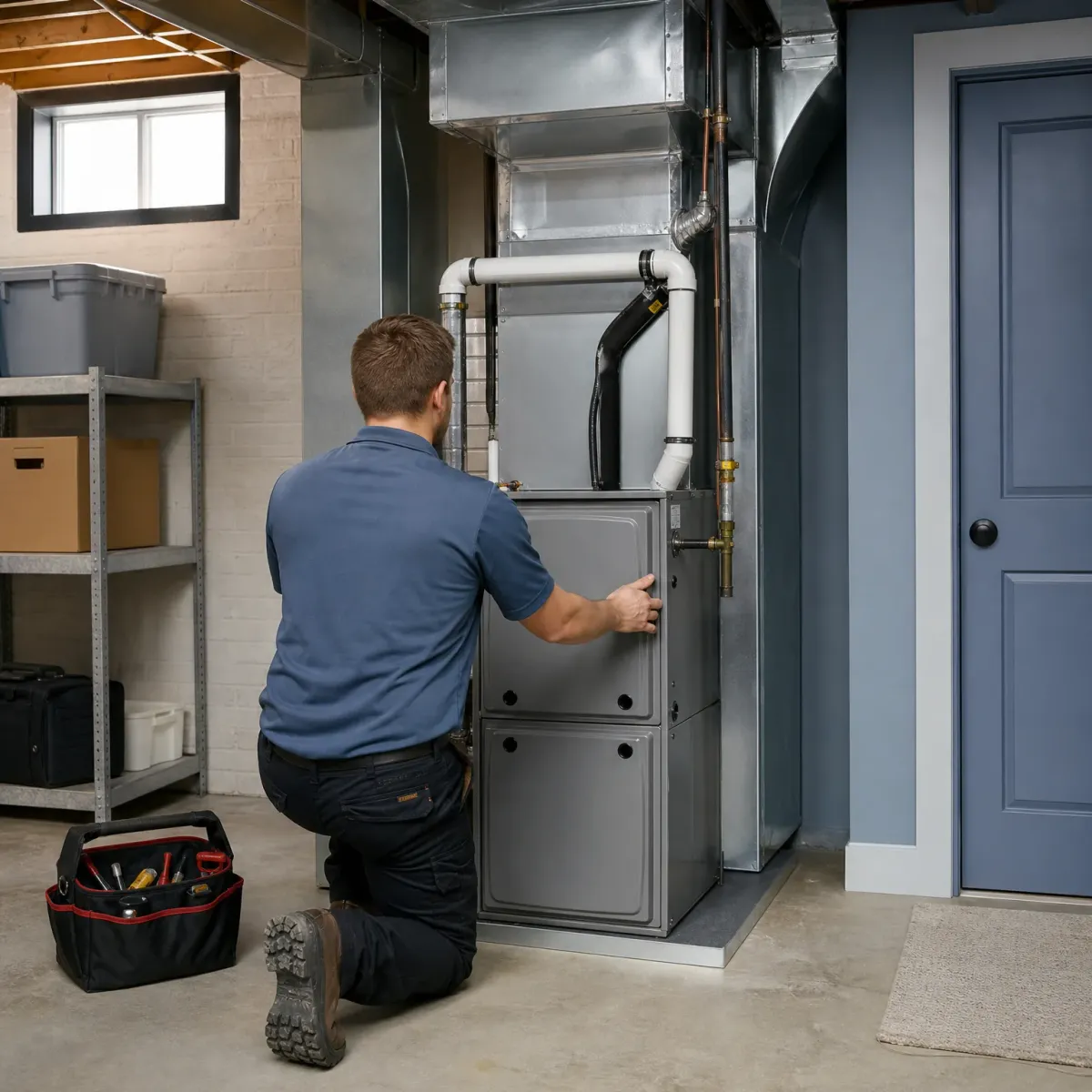
A man in a blue shirt kneels beside a gray furnace in a basement, holding its access panel, with a tool bag on the floor, shelving with boxes behind him, and ductwork overhead.

Tell us about the job

Takes about a minute. No obligation.

New system or replacementSt. Martin Parish, LA
Step 1 of 3

What kind of equipment?

Which costs less to run in St. Martin Parish?

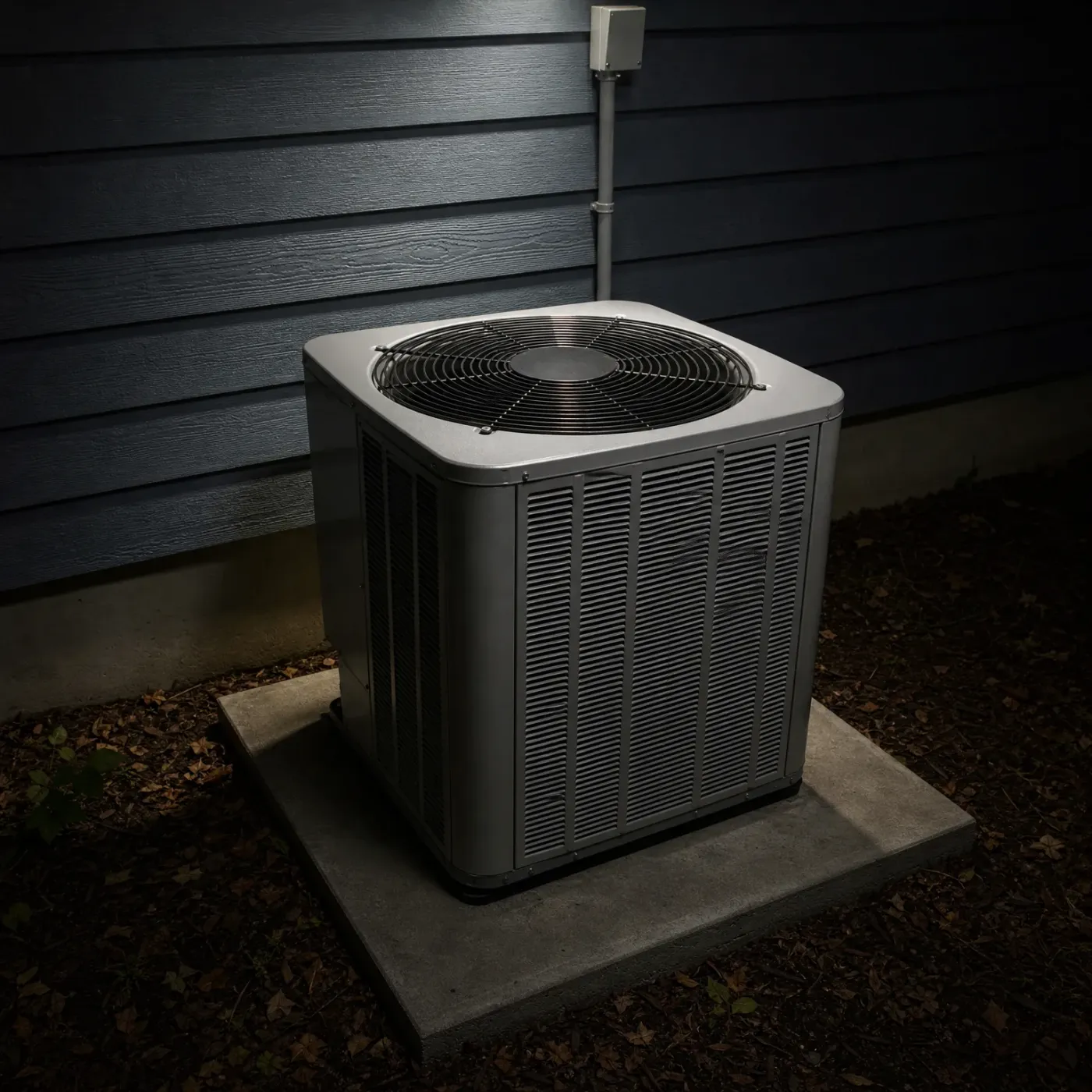
An outdoor air conditioner condenser unit with a top fan grille sits on a concrete pad beside a dark horizontal-lap sided wall, with a conduit and electrical disconnect box above it and fallen leaves on the ground.

Heat pump

To heat your home here$1.56per 100,000 Btu

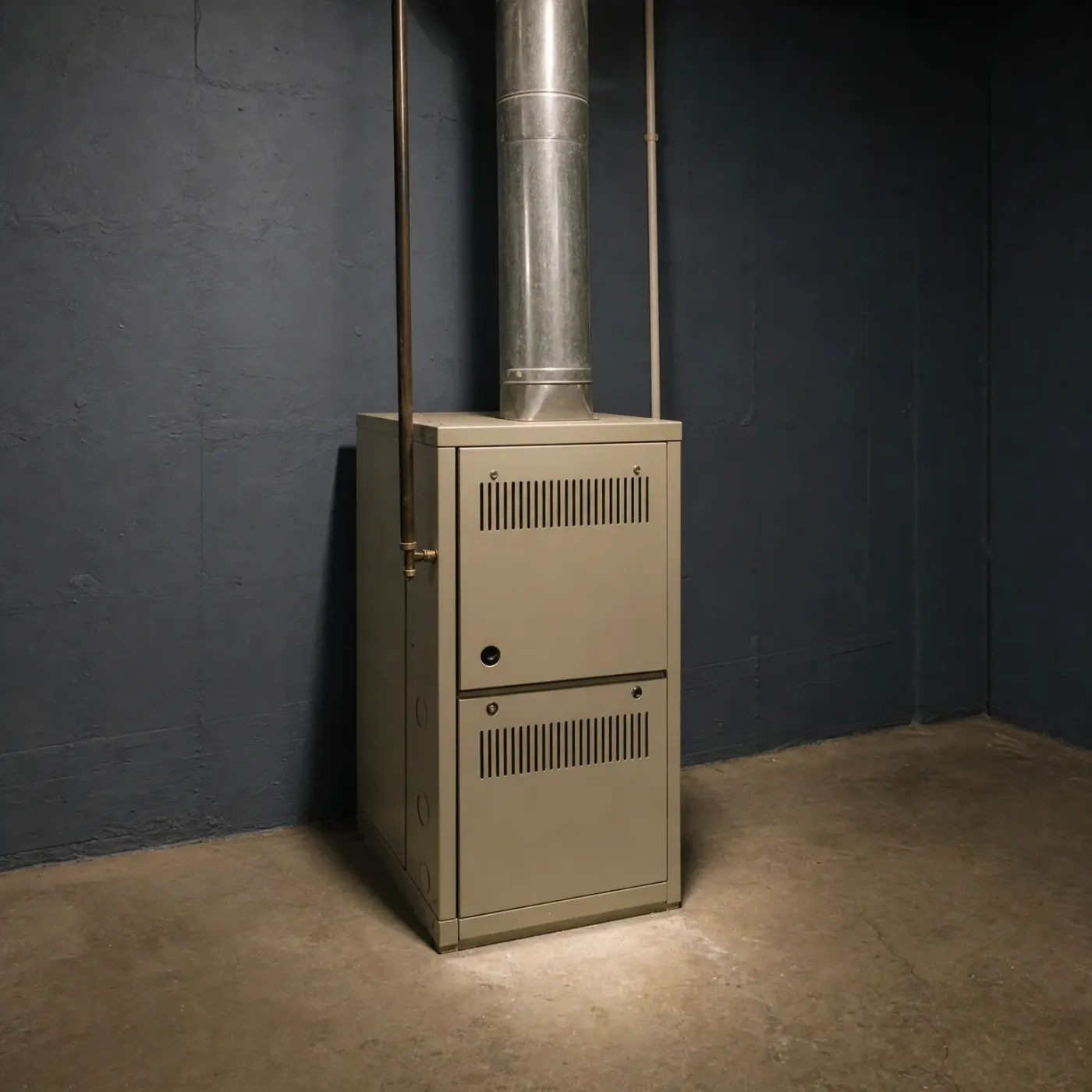
A beige sheet-metal furnace with louvered access panels stands on a concrete floor in a corner against dark gray walls, with a metal flue pipe rising from its top and two thin pipes running up the wall.

Furnace

To heat your home here$2.00per 100,000 Btu

At Louisiana's gas and electricity prices, a heat pump makes the same heat as a gas furnace for about 22% less.

Btu stands for British thermal unit, the standard measure of heat energy.

Where does a heat pump shine?

  • Made for mild winters

    Winter nights here average 44°F, which is well within the range a heat pump handles without much strain. It won't be working against the kind of hard freezes that wear on a heat pump in colder states.

    Covered front porch of a blue-gray clapboard house with white columns and trim, a paneled front door with sidelights, a wicker chair with a blue blanket and mug, boots by the door, and frost on the surrounding lawn.
  • Covers a long cooling season

    Cooling runs April through October here, so the system you pick is mostly working as an air conditioner. A heat pump does that job every one of those months, then switches over for the short stretch of cold.

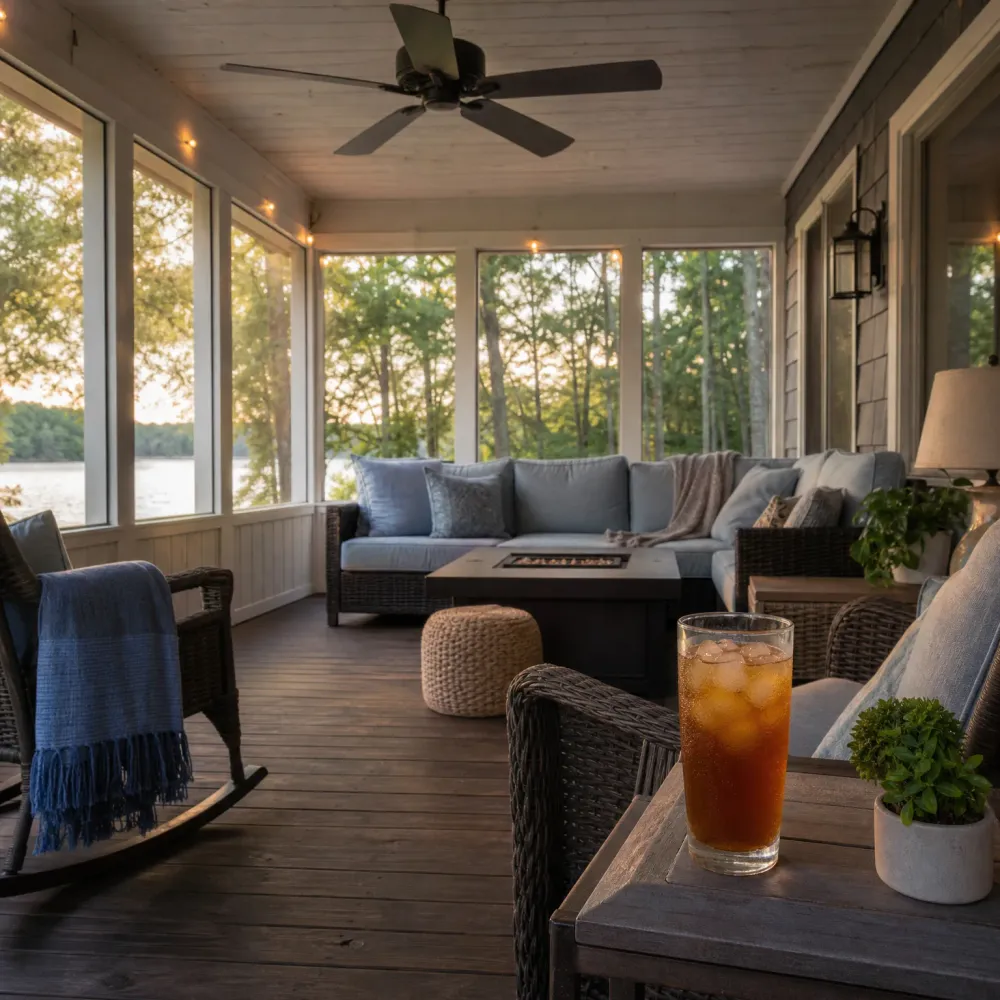
    A screened porch with a wood floor, ceiling fan, wicker furniture with blue cushions, a rocking chair draped with a blue throw, a fire-pit table, and a glass of iced tea on a side table, with trees and water visible through the screens.
  • Heats and cools in one system

    A heat pump runs the same way all year. It pulls heat into the house in winter and pushes it out in summer.

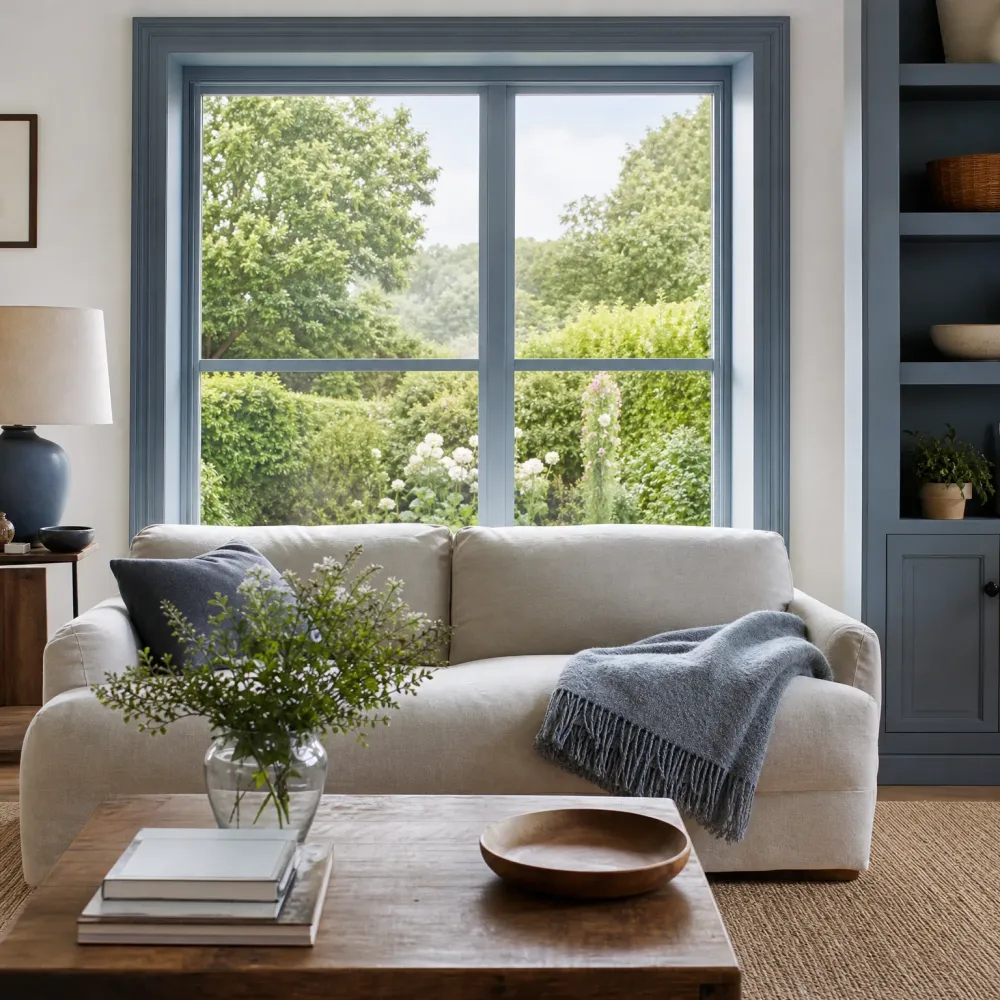
    A living room with a cream sofa and grey throw beneath a blue-framed window overlooking a green garden, with a wooden coffee table holding books, a bowl and a vase of greenery in the foreground and blue built-in shelving at right.

Where does a furnace shine?

  • Fast, strong heat on demand

    A furnace pushes out hot air within minutes of switching on. A cold house warms up fast.

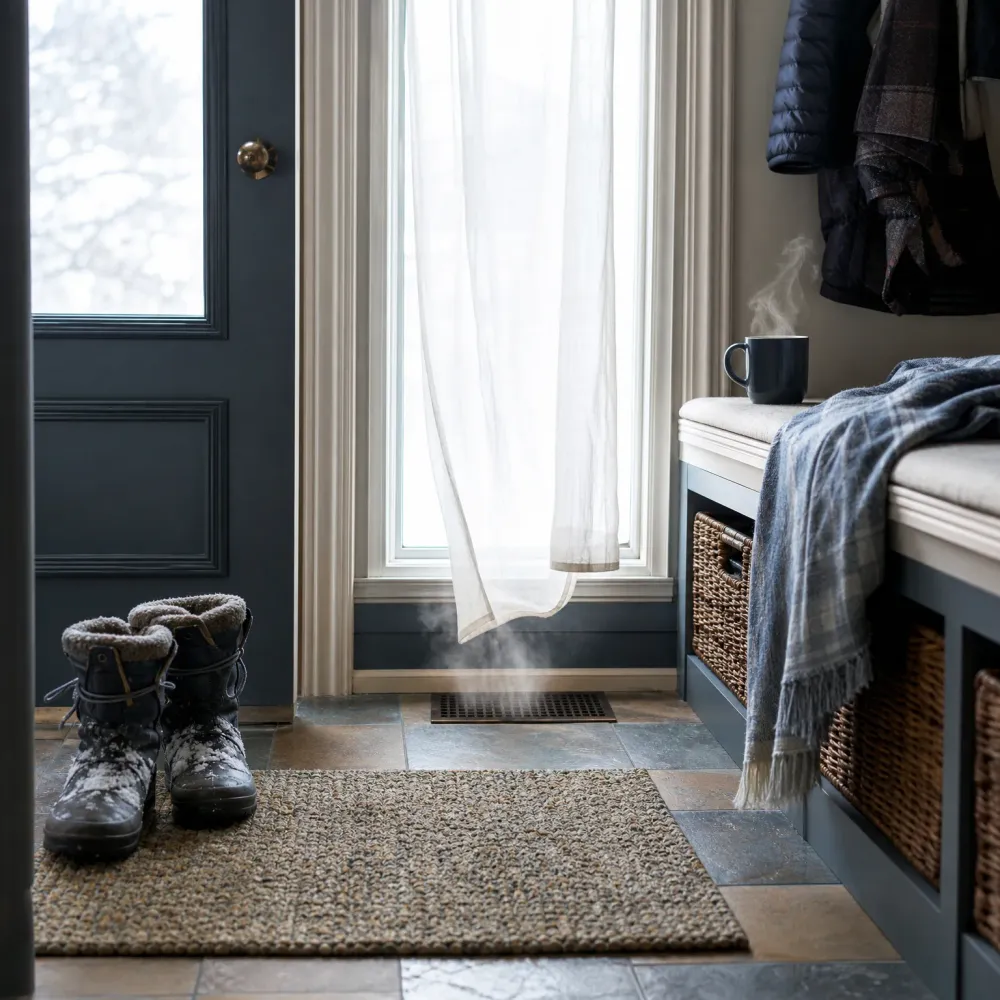
    A mudroom entry with snow-dusted winter boots on a woven jute mat, a dark blue door with glass panel, a sheer-curtained window, a floor vent emitting visible steam, and a bench with wicker baskets, a gray plaid throw, and a steaming mug.
  • Proven, simple, easy to get serviced

    Gas furnaces have heated homes for generations. Almost every HVAC tech knows them inside and out.

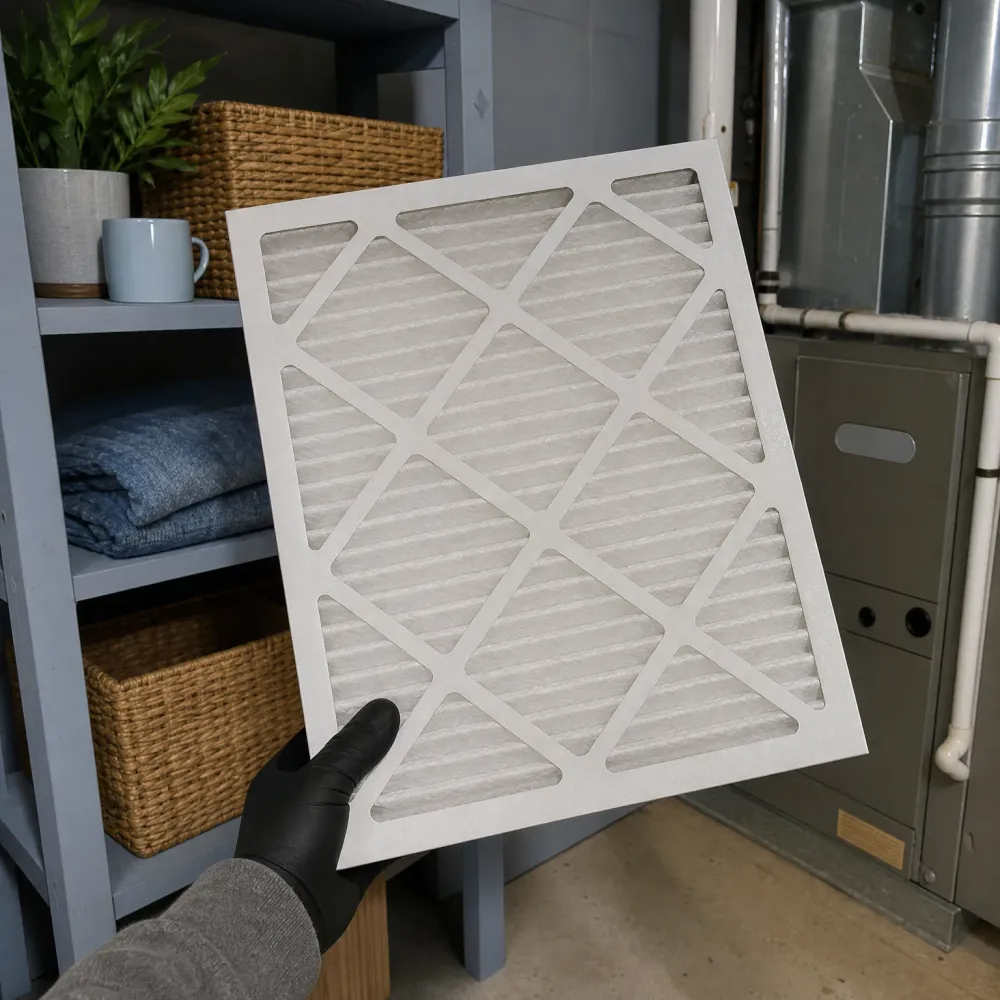
    A gloved hand holds a clean pleated air filter in front of a gray shelving unit with baskets, folded textiles, a mug and a potted plant, with a furnace and ductwork at right.
  • Pairs with any central AC

    Most central air systems are built around a furnace. The two share the blower, the ducts and the thermostat.

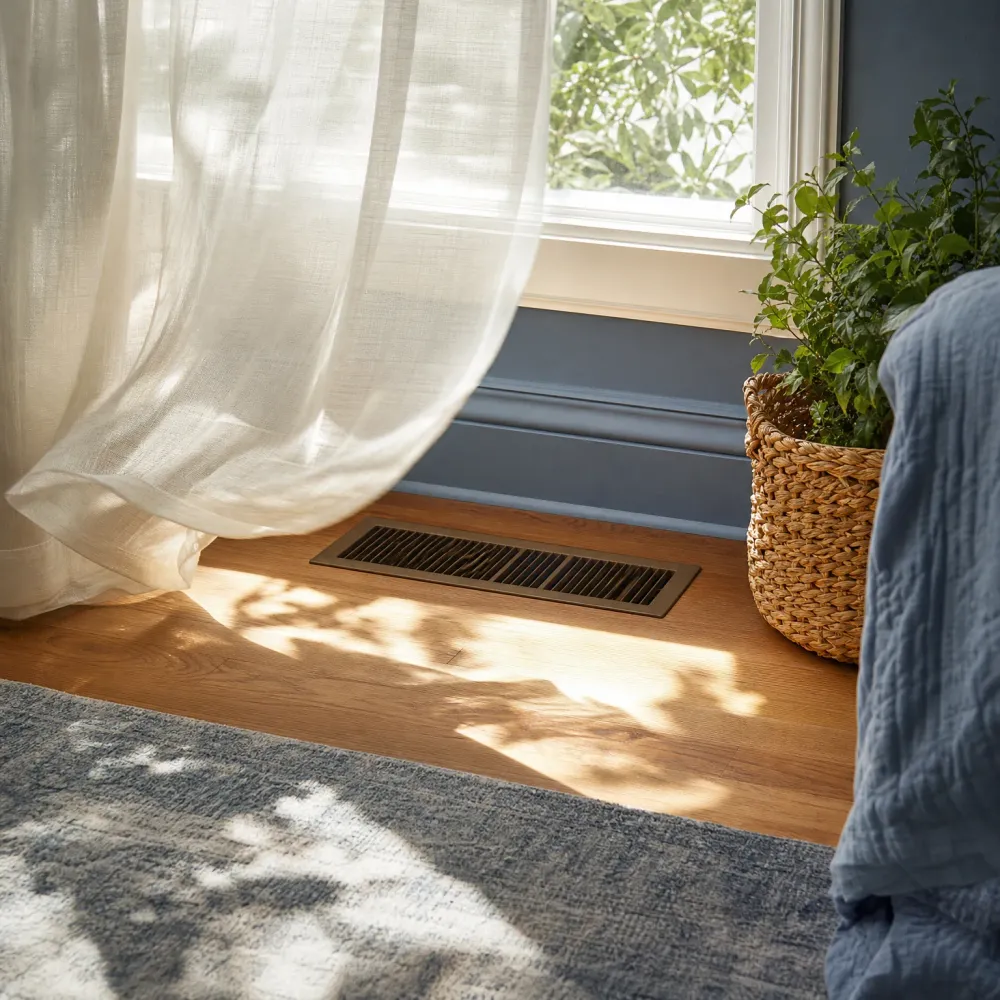
    A bronze-toned rectangular floor vent set in wood flooring near a window with sheer white curtains, a woven basket holding a green plant, a blue baseboard wall, and a gray rug in the foreground.

Winters here barely test a heat pump

Winter here is short and mild, and that's the case for a heat pump. The heat runs about five months, November through March, and the overnight low averages 44°F across December and January and February. A heat pump does its best work in that range. It struggles when the outdoor air gets close to freezing, and that happens here too, but not often: about 14 nights a year drop to 32°F or below, out of roughly 150 nights in the heating season. The rest of the season, a heat pump is working in conditions it's built for.

That cost difference on the band above comes from how the two machines make heat, not from one lucky season. A heat pump moves heat instead of burning fuel to make it. A gas furnace built to the federal minimum turns 80 percent of the gas it burns into heat. A heat pump built to the federal minimum moves 7.5 Btu of heat for every watt-hour it uses. At Louisiana's prices, that works out to $1.56 against $2.00 per 100,000 Btu. Over five mild winters, the heat pump costs less to run.
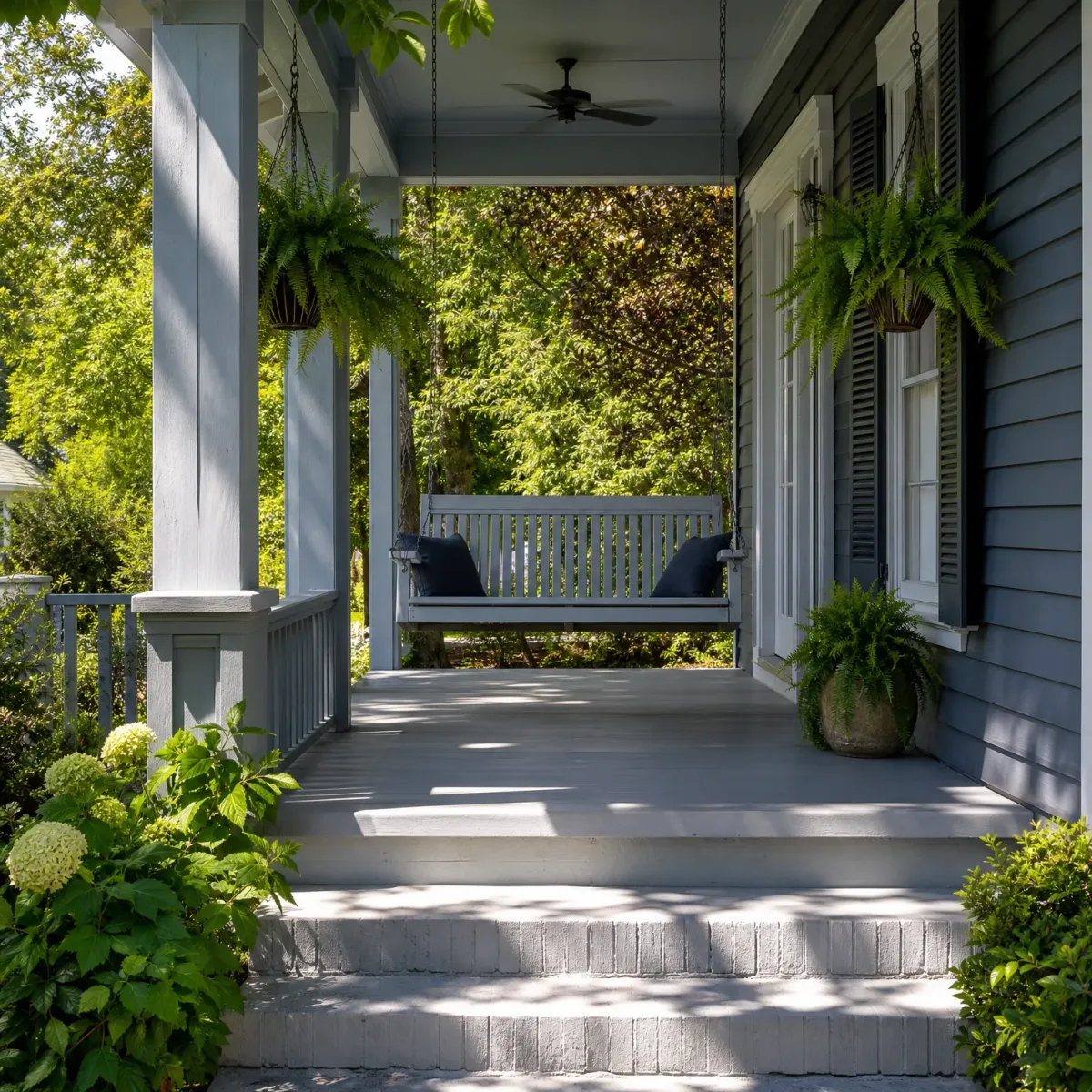
A covered front porch with gray-blue wood siding, a hanging porch swing with dark cushions, hanging and potted ferns, a ceiling fan, and painted steps leading down past green shrubs and trees.

The furnace only works half the year

A furnace heats your house and does nothing else. For the other seven months, April through October, it sits unused while the cooling runs, and St. Martin Parish has a real cooling season to account for: the afternoon high hits 90°F or above on about 80 days a year. A furnace has no part in any of that. You'd need a separate air conditioner alongside it, which means installing and maintaining two systems instead of one.

A heat pump is both. The same unit that heats your house in January cools it in the summer months. One system covering both seasons is simpler than running two, as long as your ducts and electrical setup can take it.

Most homes here already heat with electricity. Electricity heats 84.3% of occupied homes in St. Martin Parish, against 13.6% on utility gas, so a heat pump matches what's already running in most houses here. If gas isn't already run to your house, that's worth checking before you commit to a furnace. A furnace still makes sense if you want the strongest heat on demand on the coldest nights and don't mind a second system for cooling. But for most houses in this parish, the winters are too short and too mild to need it.

Sources: NOAA nClimDiv · NOAA 1991–2020 seasonal normals · Census ACS 2020–2024 · EIA SEDS 2024 · 10 CFR 430.32

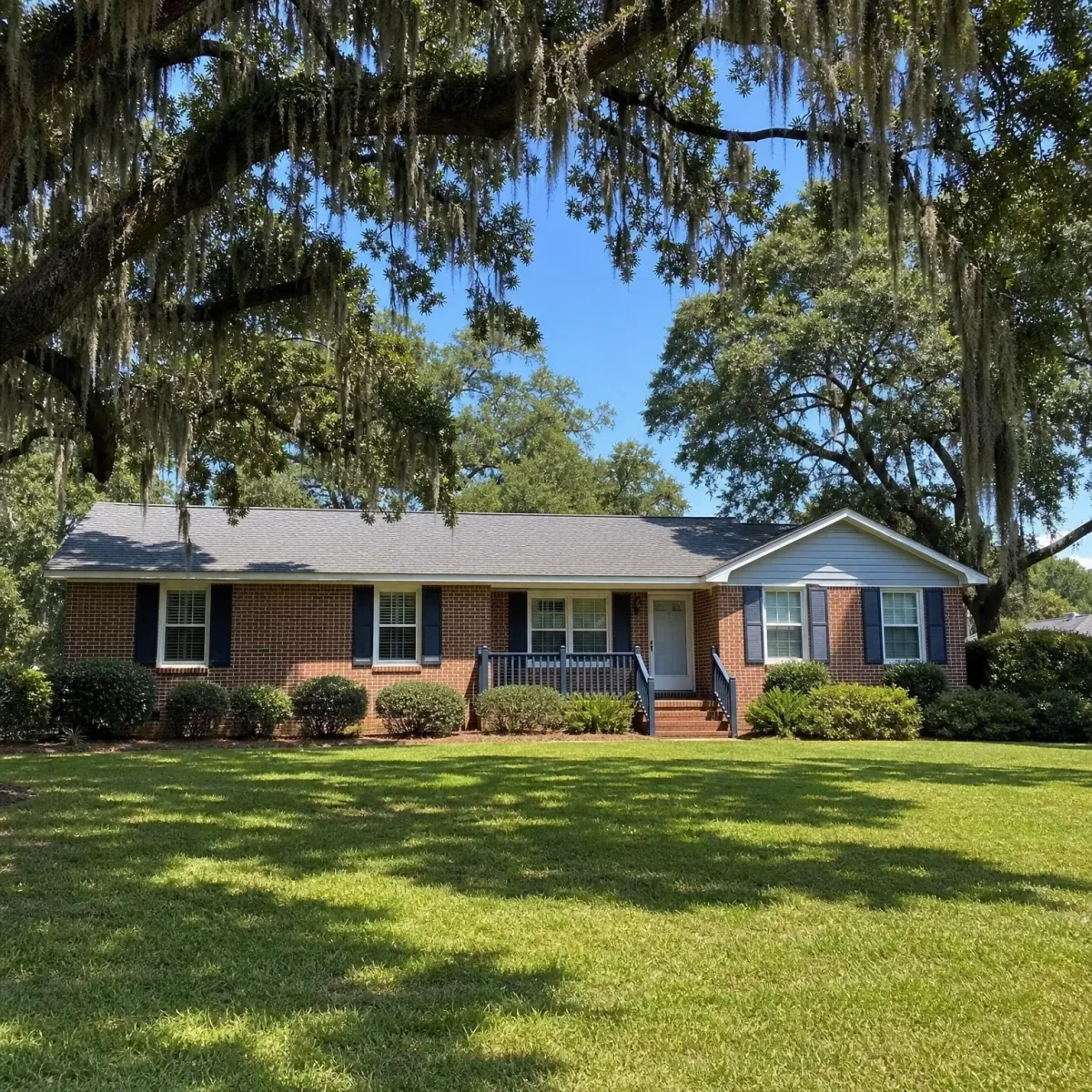
A single-story brick ranch house with dark blue shutters, a small covered front porch with railings, and a gray shingled roof, set behind a mown lawn and framed by large oak trees draped with Spanish moss.

Common questions about heat pumps and furnaces

  • Will a heat pump keep my house cool enough here?

    Yes. The afternoon high hits 90°F or above on about 80 days a year here, under a quarter of the days in a year, and a heat pump is built to handle that as its main job, not a side feature. It's running as an air conditioner the other way around for the seven months a year cooling runs here.

  • Can I keep my furnace and add a heat pump?

    Yes, that pairing is called a dual fuel system. The heat pump handles your five months of heating most of the time, since nights at or below freezing make up only about 14 of the roughly 150 nights that heating runs here, and the furnace covers the rest. It's a way to keep the furnace's strong output on the coldest nights without losing the heat pump's lower running cost the rest of the season.

  • What if my house doesn't have a gas line?

    You're already most of the way to a heat pump. Only 13.6% of homes in St. Martin Parish heat with gas, which means the vast majority run on electricity already, either a heat pump or electric resistance heat. A heat pump will cost less to run than electric resistance heat, and it covers your cooling season too, so you're not buying two systems.

  • Is a heat pump cheaper to run than a furnace in St. Martin Parish?

    Yes. A heat pump runs about $1.56 per 100,000 Btu of heat here against $2.00 for a gas furnace, both at federal minimum efficiency and Louisiana's average fuel prices. The gap comes from how the parish buys energy: electricity costs more per Btu than gas, but a heat pump moves heat instead of burning fuel for it, so it uses a fraction of the energy a furnace does to make the same heat.