




Night view of illuminated white Southern-style houses with wraparound porches beneath Spanish moss-draped oak trees.

Furnace Installation in Many, LA

Tell us about the job

Takes about a minute. No obligation.

New system or replacementFurnace or heatingSabine Parish, LA
Step 1 of 2

What ZIP code is the job in?

Electricity in Louisiana runs about $34.38 per million Btu, cheaper than most of the country. That changes the math on which furnace to install. A high-efficiency model still saves something on the gas or electric bill, but the payback stretches out longer here than it would somewhere with steeper rates. What matters more for Many is a furnace built to come back on its own after the power drops and start up reliably when it does. Put the money into the right size and a unit that holds up through storm season, not just the highest efficiency number on the sheet.

5 months
November through March, your furnace is on duty
39°F
the average winter night it heats against
80% AFUE
the federal minimum any new unit must meet
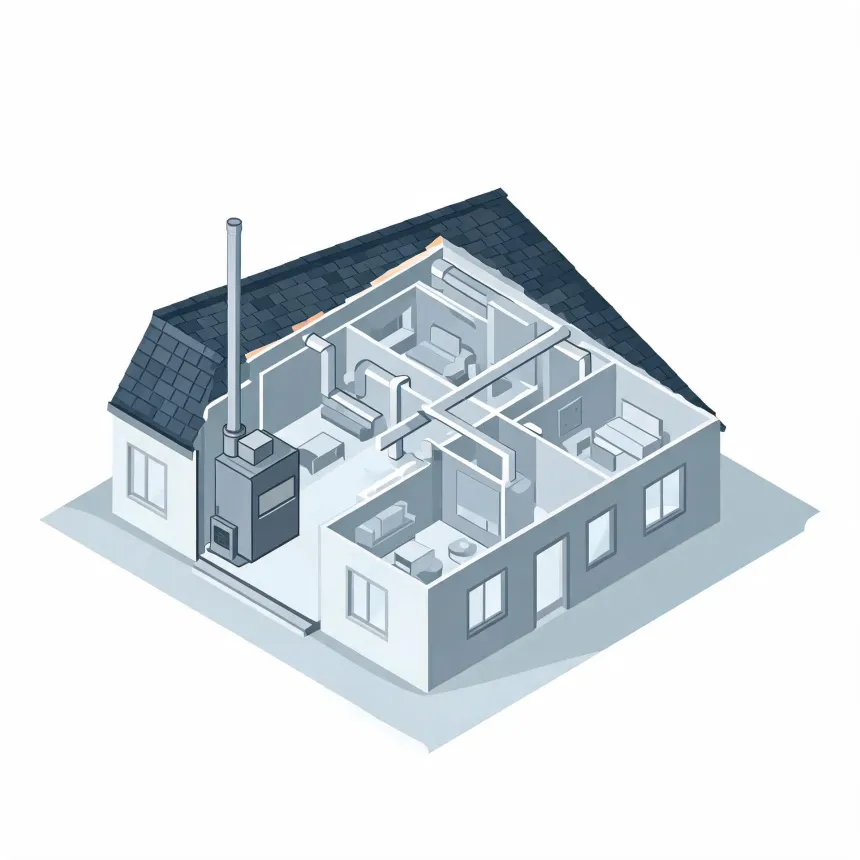
Isometric cutaway illustration of a single-story house showing interior rooms, ductwork, and a dark furnace unit with a tall flue pipe rising past the shingled roof.
Your furnace works hardest from November through February.

NOAA nClimDiv, 1991–2020 normals

Furnaces in Many run from November through March, with overnight lows averaging 39°F.

A furnace built for a mild winter doesn't need to be the top-tier model to hold up here.

Most homes in Sabine Parish heat with electricity

75% of homes heat with electricity
Heat runs November through March
Winter nights average 39°F

October is the month to get a furnace installed here, before heat season starts in November. A failing furnace is easier to deal with on a Saturday in October than in the middle of a cold week once everyone else's system has started acting up too. Furnaces in Sabine Parish only run about five months a year, November through March, so an October install gives the unit time to get set up and checked before it has to do any real work. The first cold snap is the real test of a new furnace, and it goes better when the install happened on a calm day rather than the morning the temperature drops.

Reliability first

Power is cheaper here, so the most efficient model takes longer to pay off. Reliability and fit matter more.

Find a contractor
A man in a dark shirt and brown work pants, seen from behind, carries a worn canvas tool bag up porch steps toward a dark front door, with a potted shrub to the right.
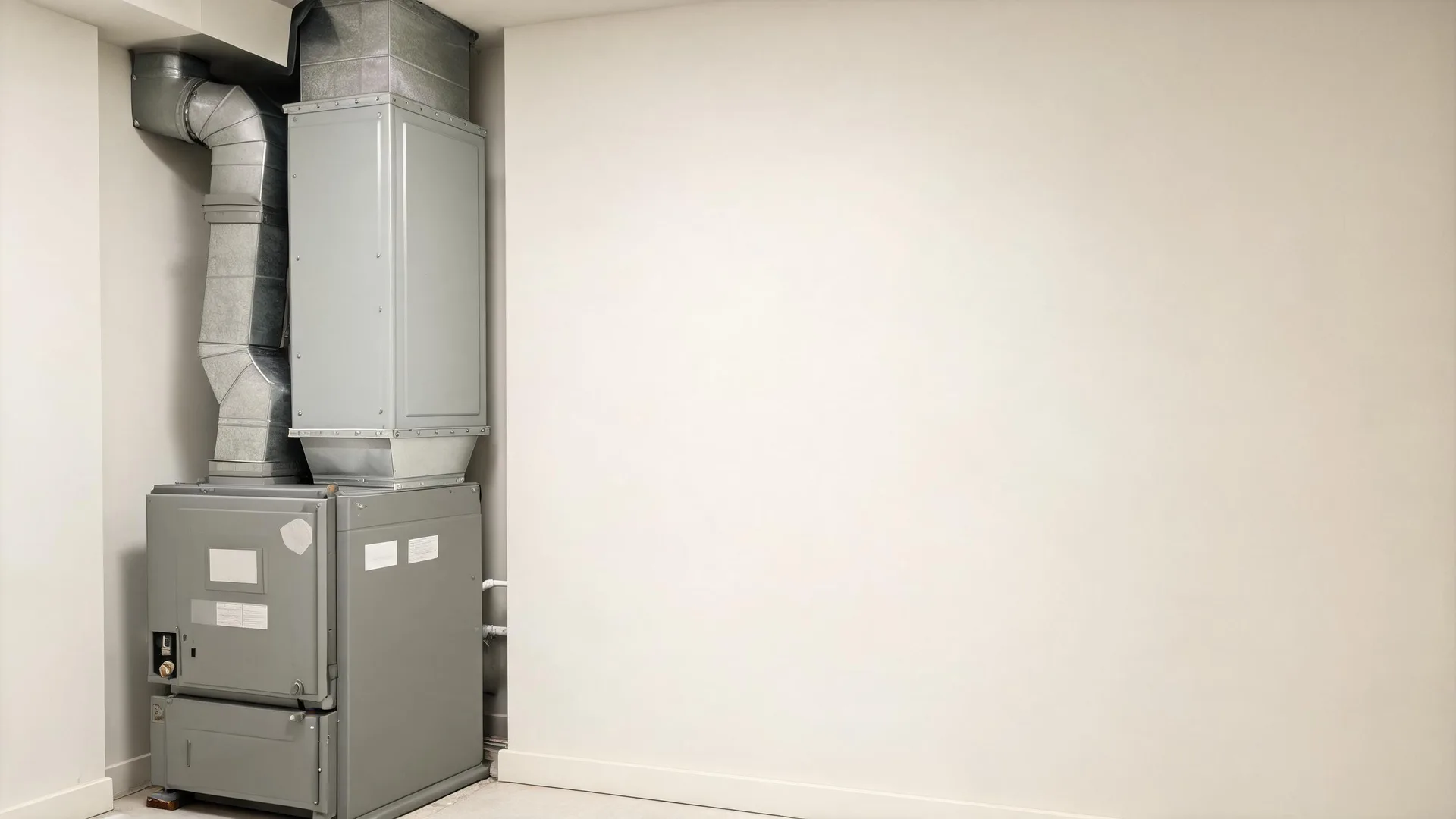
A gray residential gas furnace installed in an unfinished basement, connected to sheet-metal ductwork and PVC pipes.

The size of the job is bigger than the size of the furnace

Sizing drives most of what you pay. A furnace that's too big for the house cycles on and off instead of running a steady stretch, and that short-cycling wears out the parts that start the burner faster than normal use would. Getting the size right means someone has to work out the heat loss for the actual house, not just match the old unit or guess off square footage. That calculation takes time, and it's worth more than the sticker number on the furnace itself. Beyond sizing, what the install touches outside the furnace matters too. If the ductwork is undersized or leaky, running new duct or sealing what's there adds to the job. If the vent pipe or gas line doesn't meet current code, that gets brought up to code as part of the install, not left for later. None of that shows up until someone's under the house or in the attic looking at what's actually there.

How the size gets worked out

Sizing a furnace means calculating heat loss for the house itself. Someone has to account for the walls, the windows, the ceiling, how much cold air leaks in. That number is what decides the size, not the square footage and not whatever size the old unit happened to be. A furnace sized off a guess ends up wrong in one direction or the other.
What the wrong size does to the furnace

A furnace too big for the house heats the place quickly, shuts off, then kicks back on soon after. That short cycling puts extra wear on the igniter and the blower motor, the parts most likely to fail first when they start and stop too often. A furnace sized correctly runs a longer, steadier stretch and heats more evenly from room to room.

Taking out the old furnace is its own piece of the job. A gas furnace gets disconnected from the gas line and the vent pipe, and both of those need to be capped or sealed off correctly, not just left loose. The old ductwork usually stays and connects to the new furnace, unless it's part of what's being replaced. If the old unit is still under warranty or there's a rebate tied to recycling it, some installers handle that paperwork, but don't count on it unless it's spelled out ahead of time. Most old furnaces get hauled off and scrapped for the metal. None of that affects how the new furnace runs, but it's worth asking who's responsible for getting the old one out of the house.

Installation day itself starts with a safety check before anything new goes in. A tech checks the gas line pressure, looks at the venting, and makes sure the spot the furnace sits in meets clearance requirements for combustible material nearby. Setting the furnace in place and connecting the ductwork, gas line, and vent pipe takes most of the day. Once it's hooked up, the furnace gets fired up and run through a cycle, with someone checking the temperature rise against what the manufacturer specifies for that model. The last step is checking carbon monoxide levels near the unit and at a few spots in the house, since that's the one thing that has to be right before anyone signs off on the job.