





Two white Southern-style homes with wraparound porches lit by landscape lighting at night, flanked by live oak trees hung with Spanish moss.

Furnace Installation in Kenner, LA

Tell us about the job

Takes about a minute. No obligation.

New system or replacementFurnace or heatingJefferson Parish, LA
Step 1 of 2

What ZIP code is the job in?

Electricity heats 55.6% of homes in Jefferson Parish, more than gas and propane combined. Gas still runs 42.6% of homes, so it's not rare here, but electric is what you'll find more often when a furnace needs replacing. That split matters for the swap. If your home already has a gas line and venting in place, a gas furnace is usually the simplest match. If it's electric, an electric furnace or heat pump keeps you from adding gas service you don't have. Either way, matching what the house was built for is the straightest path to a system that fits.

4 months
November through February, your furnace is on duty
47°F
the average winter night it heats against
80% AFUE
the federal minimum any new unit must meet
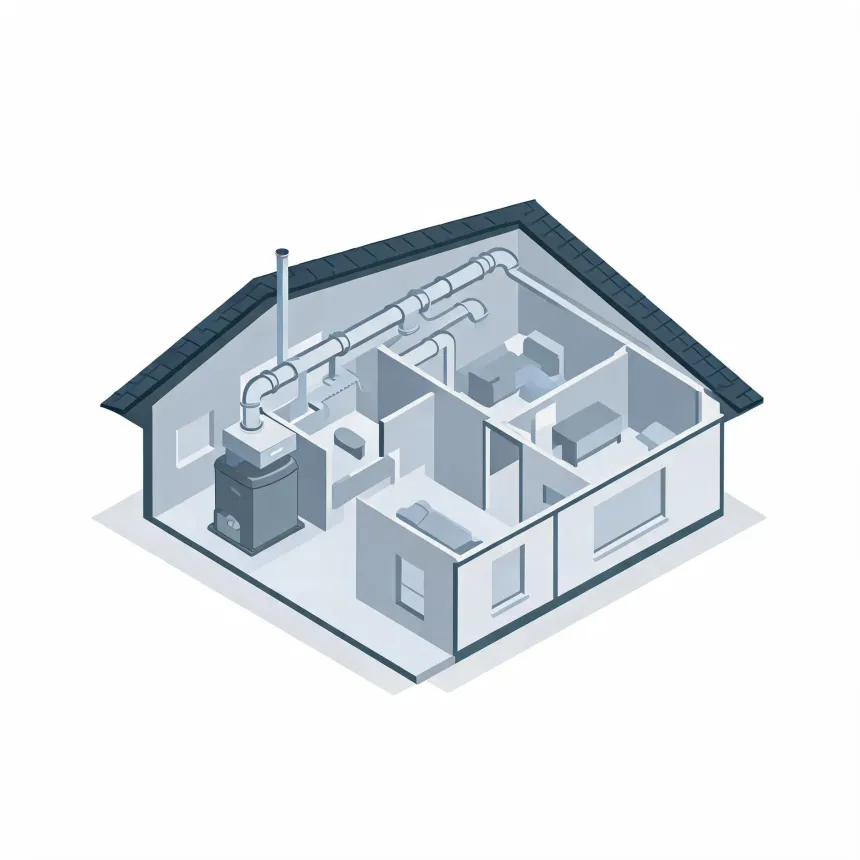
Isometric cutaway illustration of a single-story house showing interior rooms, ductwork running along the ceiling, a flue pipe through the roof, and a dark furnace unit in one corner.
Your furnace works hardest from December through February.

NOAA nClimDiv, 1991–2020 normals

Furnaces in Jefferson Parish run about four months, November through February.

October is the time to put in a new one, before the first cold night makes the call for you.

Electricity here runs $34.38 per million Btu, so the priciest high-efficiency furnace isn't the one that pays for itself fastest

Heat runs November through February
Winter nights average 47°F
Climate zone 2A

Four months of heat a year is not much to ask of a furnace. Lows average 47°F through December, January and February here, nothing close to the hard freezes that push a system in a colder state to its limit. That means a furnace in Jefferson Parish spends most of the year idle, and when it does run, it is not working against much. A mid-range furnace sized right for the house will keep up without strain. The top-tier efficiency model built for places with long, hard winters is more machine than this climate asks for.

A standard furnace, sized right, is all this parish needs

Half the homes in Jefferson Parish were built in 1975 or earlier, half in 1975 or later. That split doesn't call for a bigger unit or a special one. An older house and a newer one both just need a furnace sized to fit, matched to gas or electric the way the home is already set up.

Find a contractor
A man in a dark shirt and brown pants carries a worn canvas tool bag up concrete steps toward a gray-blue front door of a house with horizontal siding and a potted shrub.
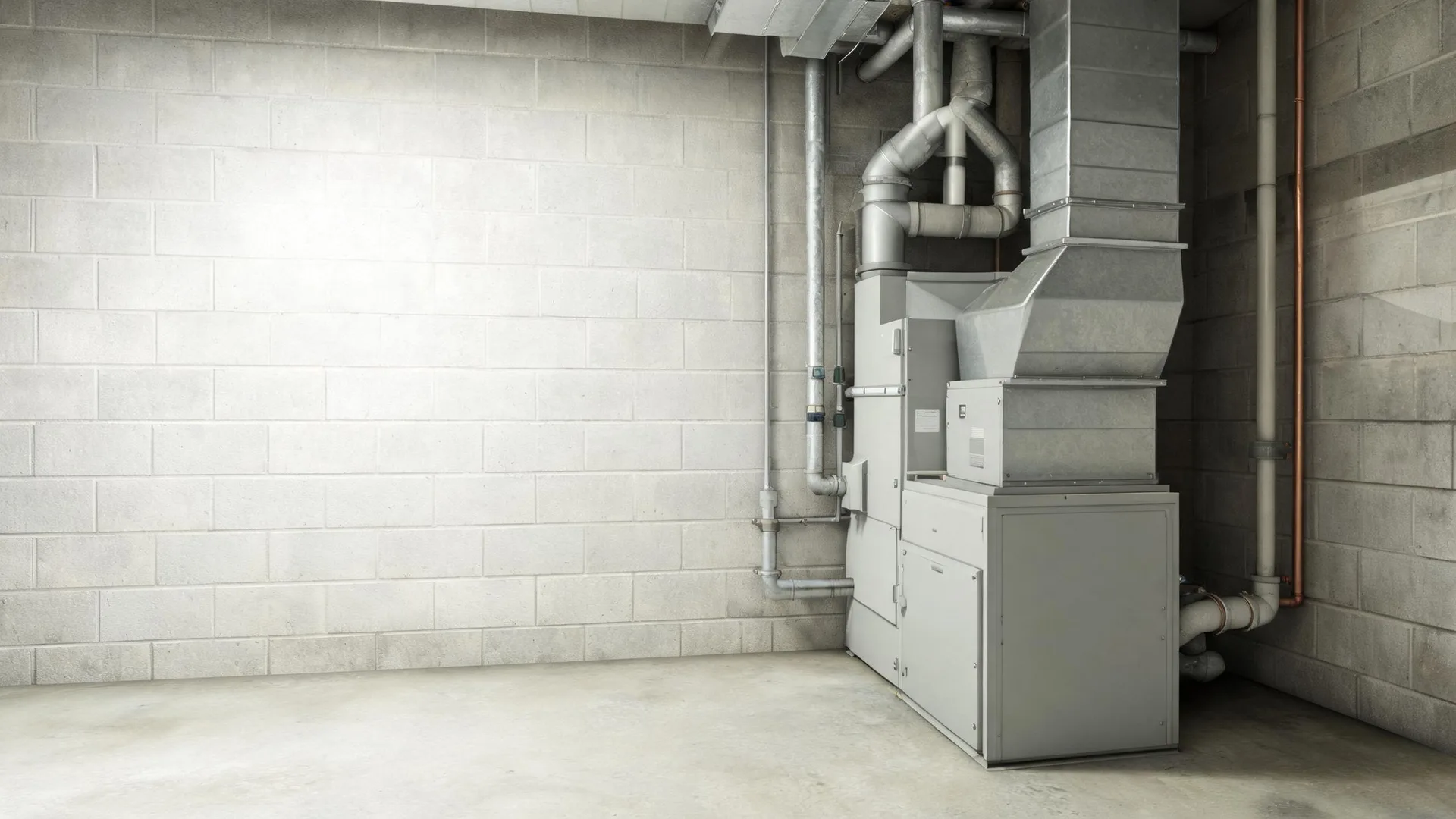
A gas furnace with attached ductwork, gas piping, and condensate lines installed in a concrete-block basement.

The old furnace does not just unplug and walk away

The old furnace coming out is its own job, not an afterthought. A contractor has to disconnect the gas line or electrical circuit, detach the venting, and break the duct connections before anything new goes in. If the old unit vented through a flue shared with a water heater, that venting has to be checked, since pulling the furnace out changes how that shared flue draws. Old ductwork sometimes doesn't line up with the new furnace's connections, which means the contractor adapts it rather than assuming it will just bolt on. None of this shows up in a sales conversation about the new system, but it decides how clean the installation goes. A furnace pulled out carelessly can leave behind a gas line that still needs capping or a vent that no longer pulls the way it should once the old equipment is gone.

Sizing comes from a heat loss calculation, not the old unit's label

A contractor works out the right size by figuring how fast the house loses heat through its walls, windows, attic and doors, then matches a furnace to that number. Swapping in whatever size was there before just carries forward whatever mistake the last installer made. The only way to know the right size is to calculate it fresh for this house.
Too big is its own problem, not a safety margin

An oversized furnace heats the air fast, shuts off, and starts again a few minutes later instead of running a long steady cycle. Short cycling like that stresses the heat exchanger and the igniter, and it leaves rooms farther from the furnace colder than rooms close to it because the air never circulates long enough to even out. Bigger is not a cushion. It is a different set of problems than running too small.

The efficiency rating on a furnace, AFUE, tells you what share of the fuel it burns actually turns into heat in the house versus what goes out the flue. A furnace rated higher wastes less gas doing the same job. That number matters most where the furnace runs long and hard for months on end, because every point of efficiency gets multiplied by all those running hours. Where the furnace only fires up on the occasional cold night, those same points have far fewer hours to work with. The rating is worth comparing between models, but it's not the only thing that decides what you'll spend to stay warm. A furnace sized wrong for the house, or one that short-cycles instead of running a steady burn, can waste more than a few points of AFUE ever would.

Installation starts with the old furnace coming out, along with whatever venting or ductwork connections won't carry over to the new one. The contractor sets the new furnace, then connects the gas line or electrical circuit, the return and supply ducts, and the venting that carries exhaust out of the house. Gas models get a line pressure check and a combustion test once they're running, to confirm the burner is getting the right fuel mix and the flue is actually pulling exhaust out rather than letting it linger. Electric furnaces get their amp draw checked against what the breaker is rated for. Either way, the last step is letting the system run a full cycle, start to finish, so the contractor can watch how it ramps up, holds steady, and shuts off before calling the job done.