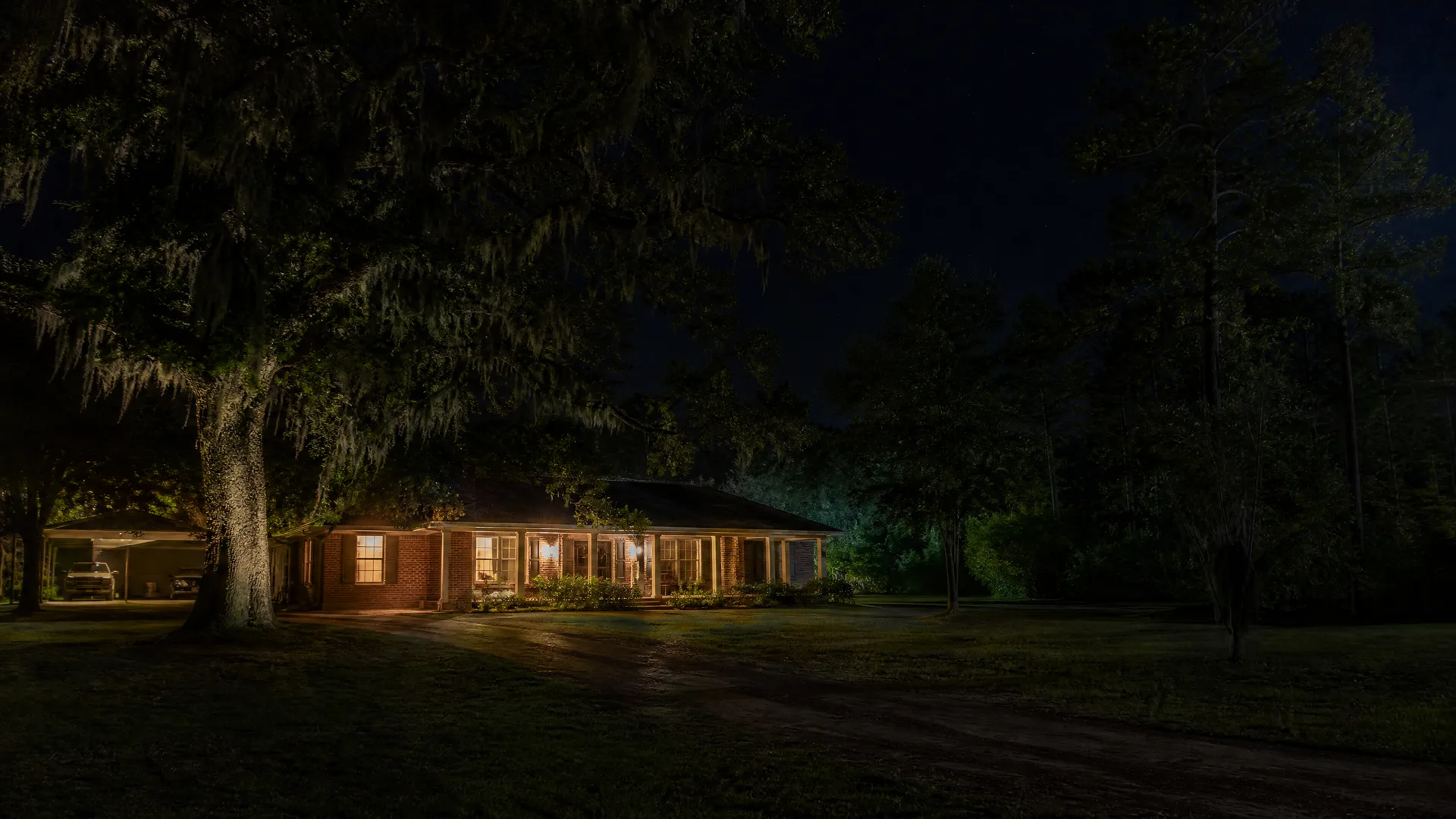
Running quiet
This is what a furnace sounds like when nothing's wrong: a soft whoosh of gas lighting, then steady air moving through the ducts above it. No bang, no screech, no metal-on-metal grinding. Just heat moving through the house.
A loud noise from your furnace in Kenner is easy to put off, especially with winters here as mild as they are. But a bang, a screech, or a rattle usually means something specific is going wrong, and it won't fix itself by running less. Most homes in Jefferson Parish heat with electricity, and electric furnaces have their own set of parts that can cause that sound, different from a gas system. Figuring out which one it is, and finding a contractor who can actually get out to look at it, takes calls and explaining the problem over and over to people who may not even work your area. Skip that part. Tell us what's going on and where you are, and a contractor who covers Kenner and serves furnaces like yours will reach out to you directly. No call lists, no repeating yourself, no sorting through quotes on your own.
A loud bang when your furnace kicks on, or a screech once it's running, isn't random. Furnaces in Kenner don't get worked hard, mild winters here mean short runs most days, but a noise like that still points to one thing going wrong inside the unit, and it tends to get worse the longer it runs that way.
A bang at startup usually means gas collected in the burner chamber before the igniter caught it, so it lights all at once instead of smoothly. That can mean a dirty burner or a failing igniter. A screech or squeal while the furnace runs points to the blower motor or its bearings, something mechanical rubbing or wearing down. Since furnaces here run in short bursts rather than for hours at a stretch, these noises often show up right when the system kicks on or shuts off. Either one is worth having looked at before the part it's warning about fails outright, since a blower that seizes or a burner that keeps delaying ignition won't fix itself with time.
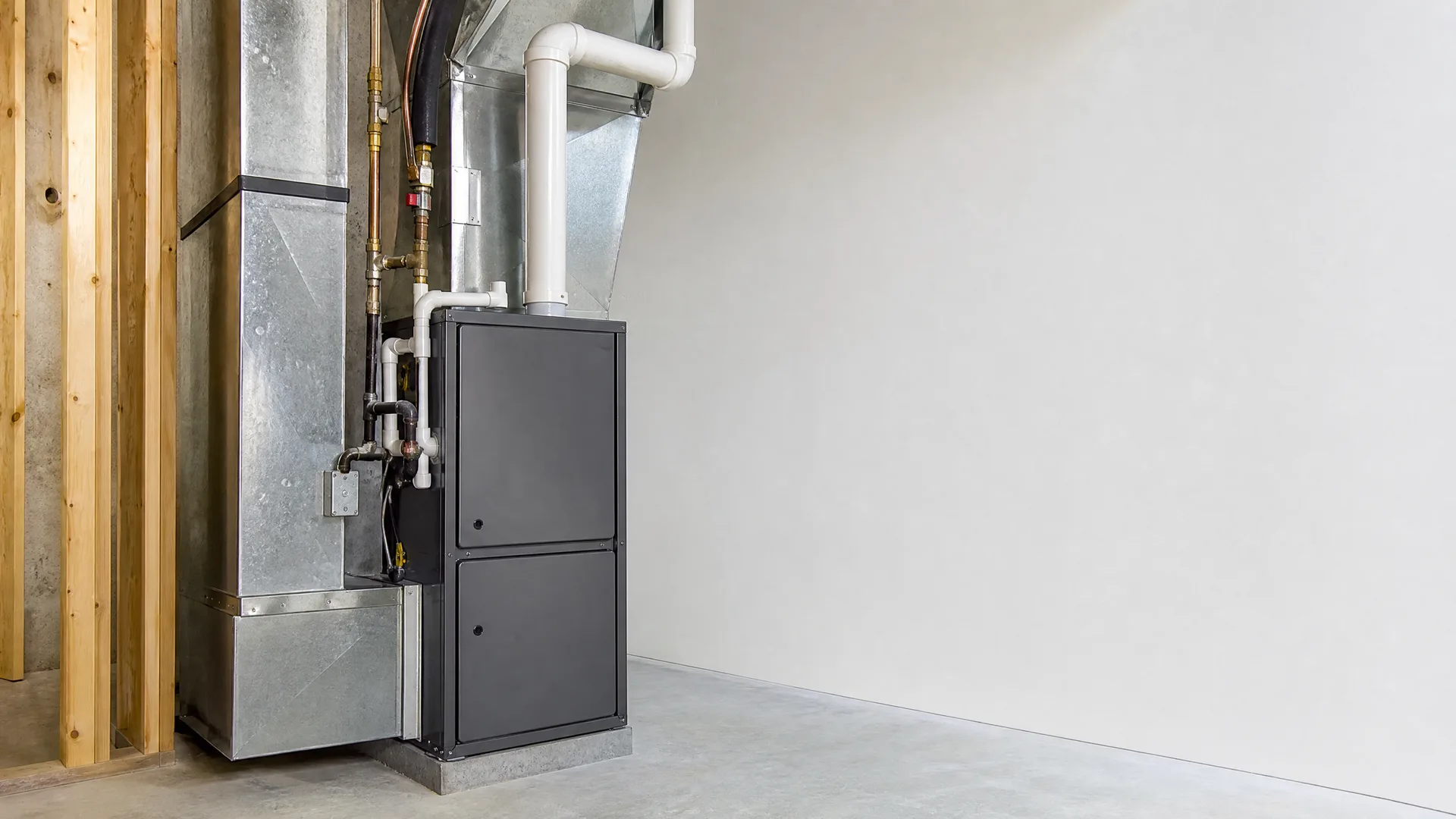
A delayed bang usually means gas is building up in the burner chamber before it lights, then igniting all at once instead of catching smoothly. That can point to a dirty burner or a failing igniter. It's worth having someone look at it soon, because that kind of delayed ignition puts stress on the heat exchanger every time it happens, not just once.
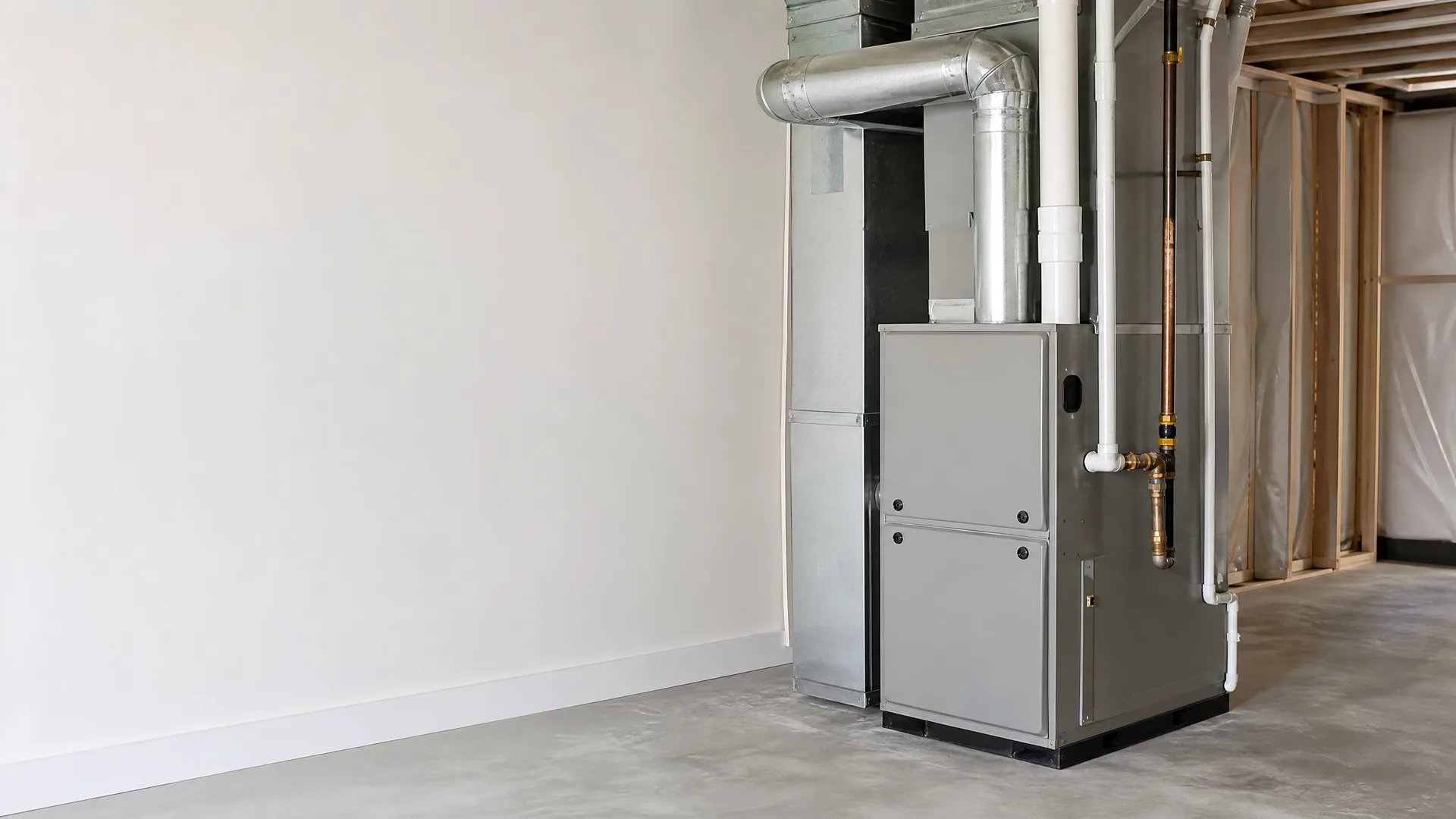
A screech while the furnace runs often comes from the blower motor, either the bearings wearing down or the belt if your unit has one. Some furnaces are direct-drive and skip the belt entirely, so the sound there points straight to the motor itself. Either way, a motor working with that kind of friction draws more power and wears out faster the longer it keeps running.

This is what a furnace sounds like when nothing's wrong: a soft whoosh of gas lighting, then steady air moving through the ducts above it. No bang, no screech, no metal-on-metal grinding. Just heat moving through the house.

Same furnace, same basement, but now it's making noise it shouldn't. A bang on startup, a screech while it runs, or a rattle from inside the cabinet means a part in there is failing. It needs a look before it gets worse.
Winter nights average 47°F
Winter nights here average 47°F. That's cold enough for a furnace to kick on every night, so a noise it's making won't wait until spring to matter.
Heat runs November through February
Heat runs November through February here. A part that's wearing out has four months to get worse before you'd naturally stop running the system.
55.6% of homes heat with electricity
Electricity heats 55.6% of homes in Jefferson Parish. If that's your furnace, a bang or screech points to the blower motor, the igniter, or a loose panel, not a gas burner.
NOAA nClimDiv 1991-2020 · ACS 2020-2024
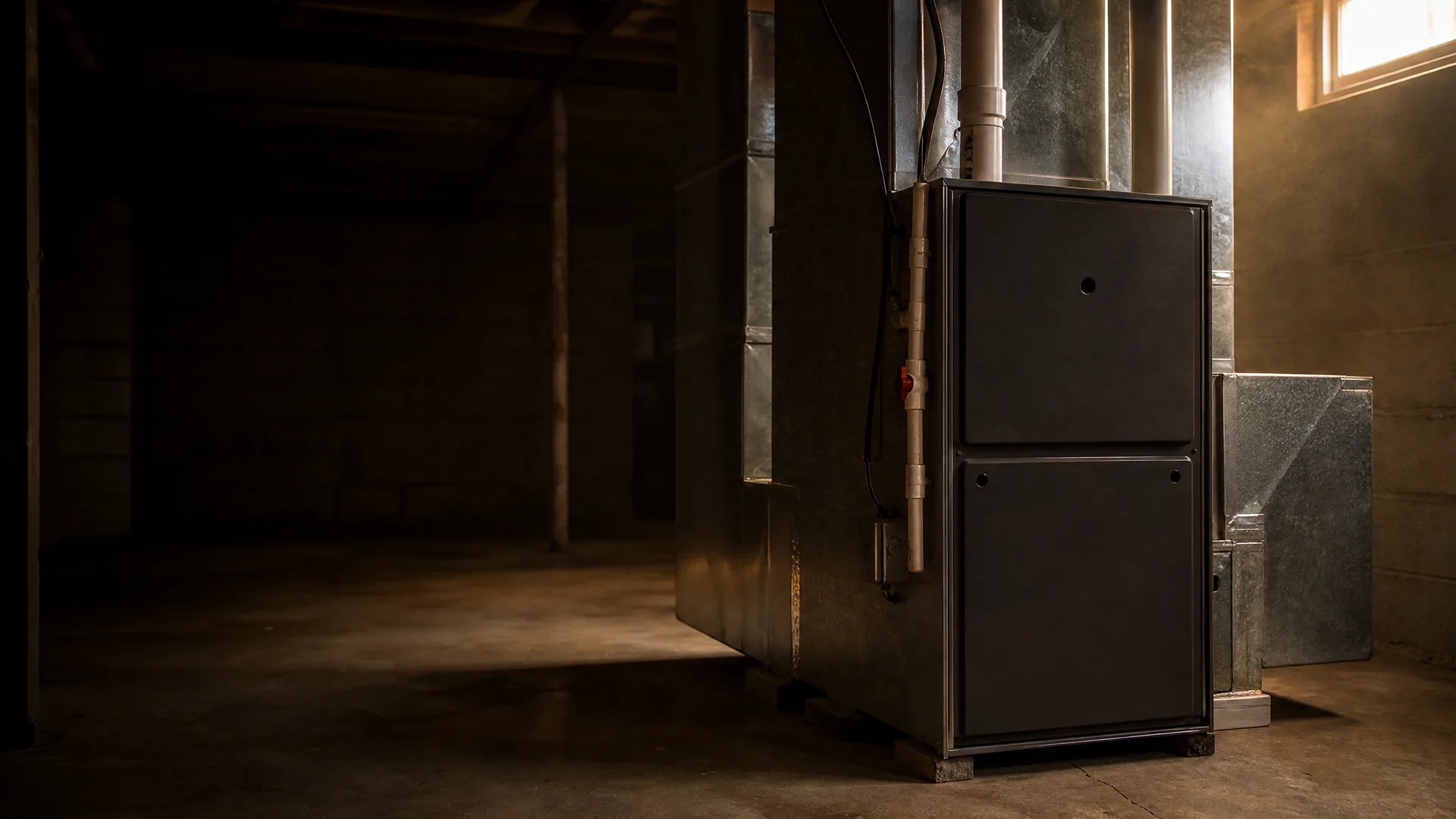
The house is quiet. It's a November evening, cold enough that the furnace should have kicked on by now, but it hasn't. You stand at the top of the basement stairs and go down to check. The furnace sits dark. No pilot glow, no hum of air moving. A thin haze hangs in the light near the burner chamber, dust that got thrown up and hasn't settled yet. You flip the switch on the side. Nothing. You remember the screech it made the last few nights before this, and the bang before that. Tonight it just stopped trying.






You've read what the noise probably means. What you still have to deal with is a furnace that needs a look, and in Kenner that usually means finding someone who works on furnaces at all, since most homes here lean on electric heat and gas furnace repair isn't every contractor's main trade. That's calling a few numbers, describing the bang or the screech each time, then waiting to see who calls back first and who actually shows up. Handing off the request here skips that part. One contractor who works on furnaces gets your situation, the noise, the house, the worry about running it another cold night, and follows up with you directly. You're not left comparing strangers or explaining the same thing twice. The noise isn't going away on its own, and the sooner it's looked at, the sooner you know whether it's a dirty burner or something worse.
Most central furnaces are direct-drive now, no belt between the motor and the blower wheel, so a lot of what sounds like one problem is really another. The cabinet itself can be the loudest part of the system without being the cause of anything. A rattle that changes with blower speed is usually the housing, not the burner. A grinding sound is the motor bearing wearing down, metal losing its smoothness against metal, and that gets worse the longer it runs, not better. Clicking before ignition is normal once or twice. Several clicks in a row means the igniter is trying and failing to get the sensor to see a flame, so it tries again. That's a sequence worth knowing, because it tells you the burner isn't the problem, the sensing is. A hum that keeps going after the blower itself has stopped points to a capacitor holding a charge longer than it should, which is a part, not a mystery. And a boom that seems to come from the ductwork rather than the furnace cabinet is often a loose damper or a section of flex duct flexing with the air pressure, which is a different repair than anything inside the unit itself. None of these sounds are random. Each one points to a specific place in the system, and a technician who hears it described, or hears it directly, can usually narrow down the cause before touching anything.


You explain the noise to one shop, then the next, then a third. Each one quotes blind over the phone before anyone's looked at the furnace.
Describe the noise once. A contractor who works on furnaces in the Kenner area reaches out to you directly, no repeat calls needed.
At 47°F, your furnace isn't working hard, but it is working every night from December through February. A noise that shows up at that pace isn't going to wait until spring to get worse.
NOAA nClimDiv 1991-2020
Thermostat calls for heat and opens the gas valve.
Igniter heats up or sparks to light the burners.
Burners ignite and heat the exchanger inside.
Blower motor turns on to push air across it.
A bang on startup or a screech while it runs is your furnace telling you which part is failing, not a reason to turn the thermostat down and wait it out. Nights in Kenner sit around 47°F from December through February, so the furnace that's making the noise is also the one running every night it gets cold. Left alone, a loose blower wheel or a worn igniter doesn't stay minor. Instead of calling one shop, waiting on a callback, then explaining the same bang or screech to a second and third shop while you compare quotes, you describe it once and get matched with a contractor who works on furnaces in Jefferson Parish. They'll call you to set up a time to look at it. The noise has a specific cause. Finding someone to check it shouldn't take all evening.

A furnace pro near you