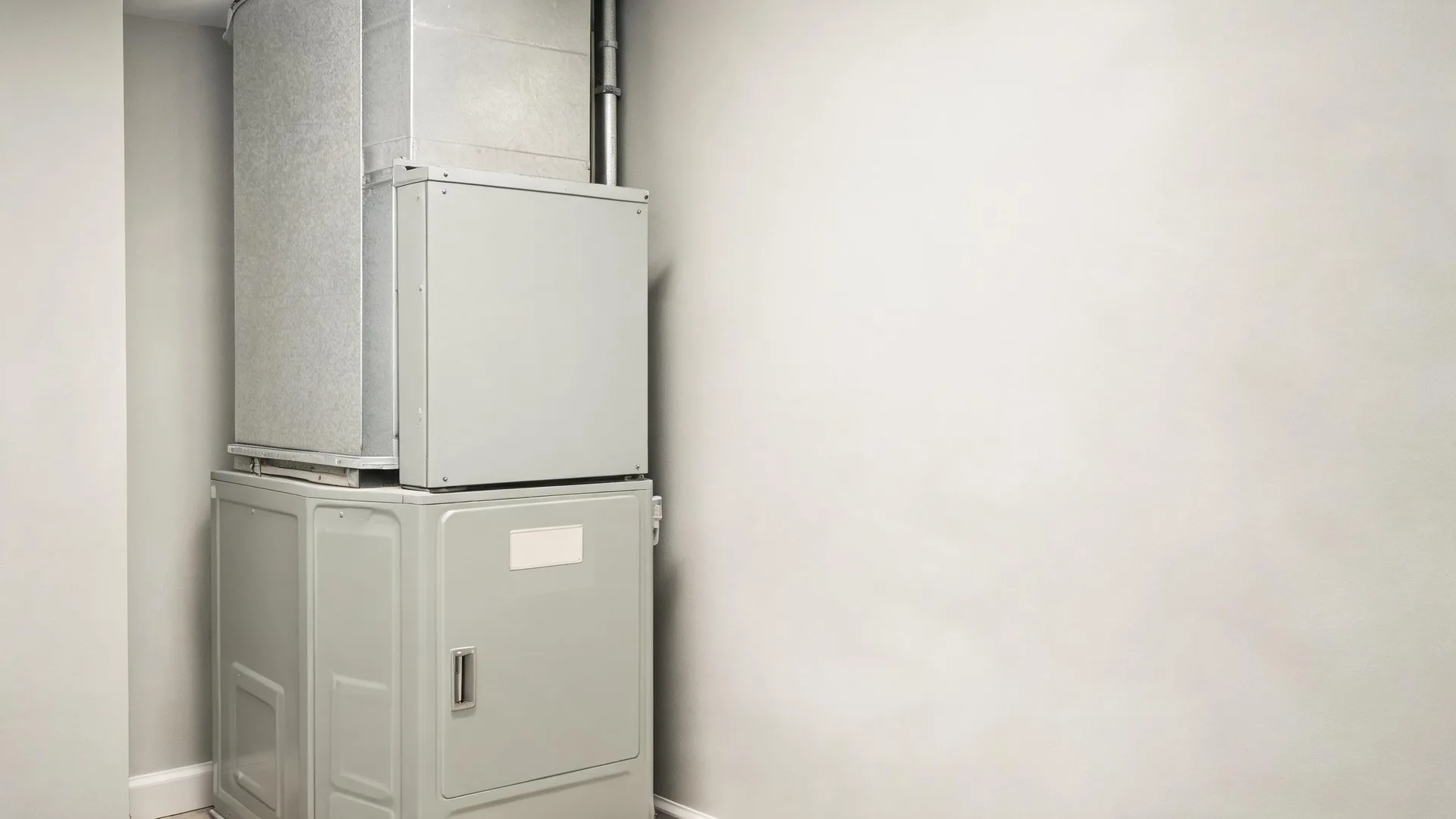
Most homes here run on electric heat
Electricity heats 62.6% of occupied homes in Plaquemines Parish. Gas is second at 34.4%. An electric furnace is the common setup in Belle Chasse.
Takes about a minute. No obligation.
Electricity heats 62.6% of occupied homes in Plaquemines Parish. Gas is second at 34.4%. An electric furnace is the common setup in Belle Chasse.
If your home already has an electric furnace, swapping in a new one means matching what's there rather than adding gas line or venting it never had.

NOAA nClimDiv, 1991–2020 normals
Furnaces here run December through February.
November is the month to get a new one in, before the first cold morning asks something of it.



Electricity here runs about $34.38 per million Btu, cheap next to most of the country. That changes the math on a new furnace. A high-efficiency model costs more up front and takes longer to earn that back when power is already this cheap. For a furnace that only runs through the coldest part of winter, the standard efficiency tier usually makes more sense than the top one. Put the money into a unit sized right for your house and installed well. That gets you more than an efficiency rating will.
Plaquemines Parish sees its share of wind, hail and storms, but none of that changes what a furnace needs to be. A standard unit, sized right and installed well, handles three mild months the same as it would anywhere else. No reason to pay more for a bigger or higher tier system this winter won't ask for.
Find a contractorThree months of work a year, with overnight lows averaging 49°F, is a light ask next to colder states. The system isn't working against hard cold here, so put the focus on getting the size and the install right rather than reaching for a higher tier. A reliable standard furnace, sized for your house and set up well, is built to handle exactly this.
An electric furnace ties into its own breaker, and if it's a gas unit, a gas line and a vent running outside. Whoever installs the new one has to shut all that down safely before pulling the old cabinet out, and cap or reuse whatever it was connected to.
A furnace is heavy, bulky, and doesn't fit through a doorway without some maneuvering. Getting the old one out and the new one in is work that has to happen before anything gets wired up or fired up, so it's worth asking upfront whether that's included.
When you're comparing quotes, ask what size furnace each one is proposing, in output, and how they got that number. It should come from a load calculation based on your house, not a guess based on the old unit or a flat rule of thumb. Too big and it'll short cycle, heating the room near the thermostat and shutting off before the rest of the house catches up. Too small and it runs long and still falls short on the coldest mornings. Ask too what happens to the ductwork, whether it gets tested or just reused as is, since a furnace can only push air through what it's connected to. And ask what's covered if something needs adjusting after the first real cold snap.
Install day starts with a walkthrough, confirming the furnace location, the ductwork it ties into, and the electrical or gas connection it needs. Then the old unit comes out. Once the cabinet is clear, the new furnace gets set in place, leveled, and connected, power or gas line, the duct plenum, and the thermostat wiring. A gas furnace gets vented and the gas line pressure tested before anything fires up. An electric furnace gets checked on its breaker and its heating elements tested under load. Either way, the installer runs it through a full heating cycle before calling it done, checking airflow at the registers and making sure the system shuts off and restarts the way it should.