Electricity runs $34.38 per million Btu here
Louisiana power costs less than it does in most states. A furnace that burns more electricity than another won't cost you much extra to run.
Takes about a minute. No obligation.
Louisiana power costs less than it does in most states. A furnace that burns more electricity than another won't cost you much extra to run.
With cheap power, a high-efficiency model takes years longer to earn back its price. Put the money into a furnace built to hold up through outages instead.
NOAA nClimDiv, 1991–2020 normals
Furnace season here runs about five months, November through March.
A furnace built to hold up through an outage is worth more than one sized for a heavy workload it won't see.



October is worth marking on the calendar. Heat starts up here in November and runs through March, so a furnace put in during October is ready before it has to work. Wait until the first cold snap and you're choosing a system under pressure, maybe going without heat for a few days while parts come in. Get it done in October instead, while the old one still runs or the weather's still mild enough to go without, and the job happens when it's convenient instead of when it's urgent.
Power is cheaper here, so the most efficient model takes longer to pay off. Reliability and fit matter more.
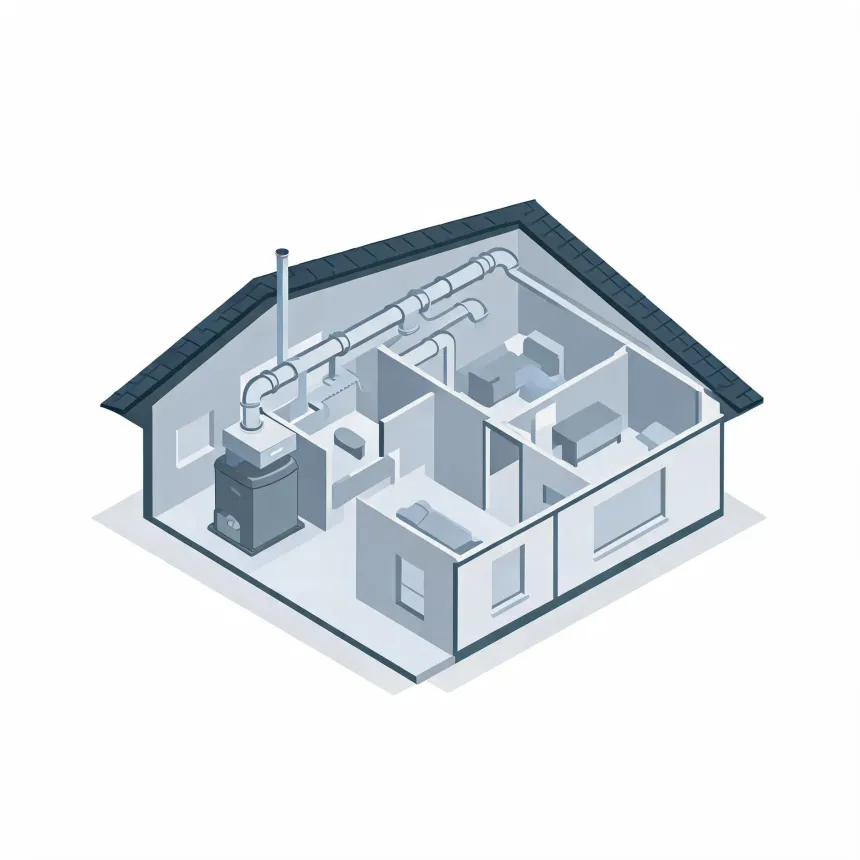
Find a contractorHalf the homes in Vernon Parish were built in 1988 or earlier, half in 1988 or later, which is just a parish with a normal mix of older and newer construction. A furnace sized to the house heats it fine either way. Mobile homes make up close to a quarter of the housing stock here, and that calls for a furnace built for that kind of installation, not a bigger one. Standard sizing and a standard efficiency rating cover what this place actually needs.
An oversized furnace heats the house fast, then shuts off, then kicks on again a few minutes later. That short cycling wears on the igniter and the blower motor more than a furnace that runs a longer, steadier stretch. It also leaves rooms farther from the furnace colder, because the air shuts off before it finishes moving heat through the house.
A contractor works out the right size by measuring the house. Square footage, window area, insulation, ceiling height, how many exterior walls each room has. That's a Manual J calculation. Going by the nameplate on the furnace being replaced just repeats whatever mistake was made the first time, if the old one was ever sized wrong for the house.
Ask each contractor to walk through the same points so the quotes mean something next to each other. Start with the heat loss calculation. Did they measure the house or just match the old furnace's size. Ask what stage of furnace they're quoting. A single-stage furnace runs full blast then shuts off. A modulating one holds a lower, steadier flame and keeps the house more even. Ask about the blower motor too, whether it's a standard motor or a variable-speed one, since that changes how evenly heat moves through the ductwork. Ask what's included beyond the furnace itself. New ductwork connections, a new thermostat, a new flue or vent pipe, and whether the permit and inspection are part of the price or added later. Ask how they handle the gas line and whether it needs upsizing for the new unit. The contractor who answers without hesitating is the one who actually looked at your house.
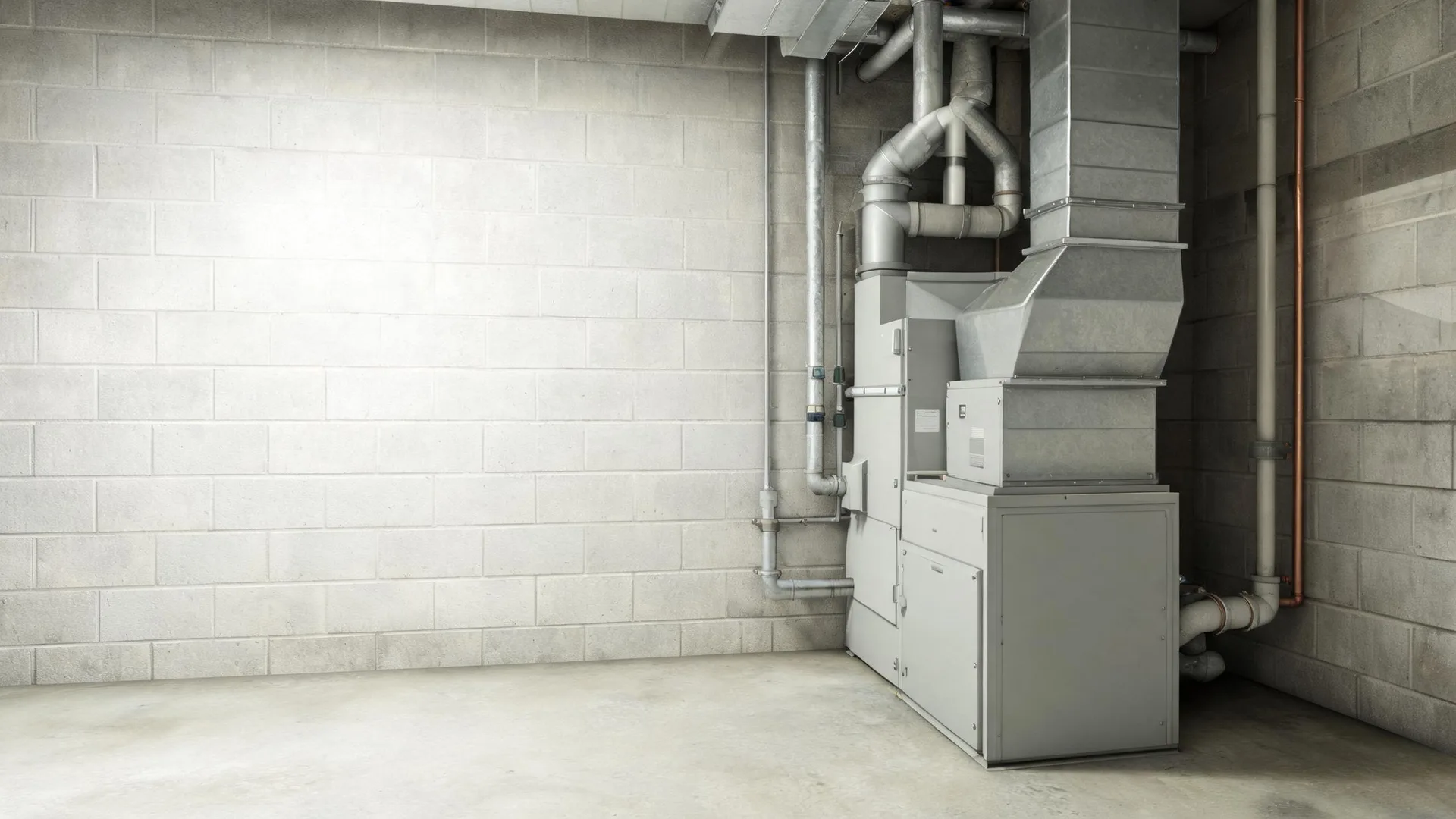
Install day starts with the old furnace coming out, not the new one going in. The ductwork gets checked for leaks and connections that don't match the new unit, because a furnace only performs as well as the air moving through it. The gas line gets sized and tested, the vent pipe gets run to code, and the condensate line gets set up if the new furnace needs one. Once it's in place, a tech fires it up and checks the temperature rise across the heat exchanger, makes sure the blower speed matches the ductwork, and tests the gas pressure at the manifold. A furnace that passes all of that quietly is doing what it should. One that short cycles or runs loud on day one usually means something got rushed.