
Heat pump vs furnace in Vernon Parish, Louisiana

Price Both Options

Replacement quotes in Vernon Parish

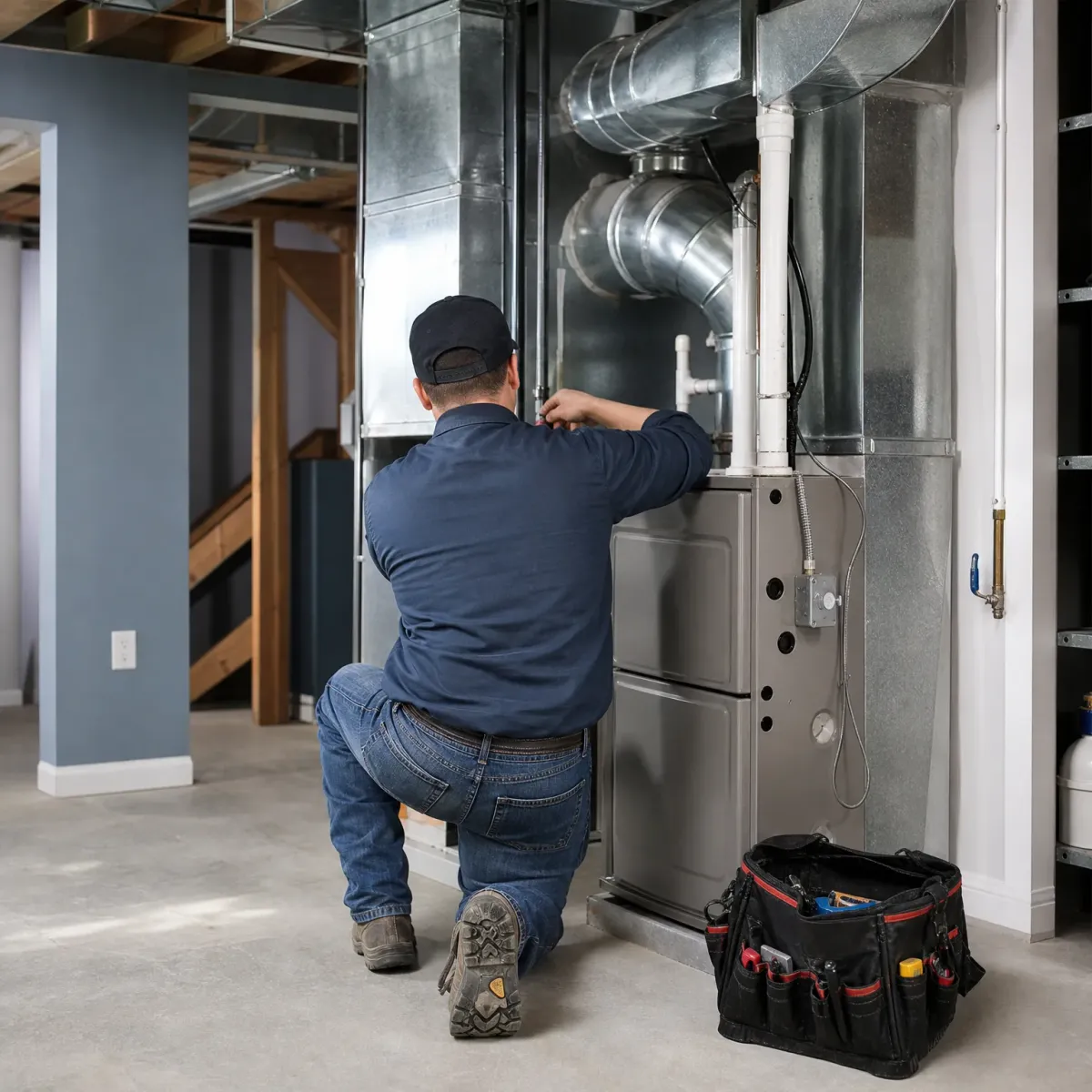
A man in a dark cap, navy long-sleeved shirt and jeans kneels beside a gray furnace with metal ductwork and piping in a basement, with an open black tool bag on the concrete floor.

Tell us about the job

Takes about a minute. No obligation.

New system or replacementVernon Parish, LA
Step 1 of 3

What kind of equipment?

Which costs less to run in Vernon Parish?

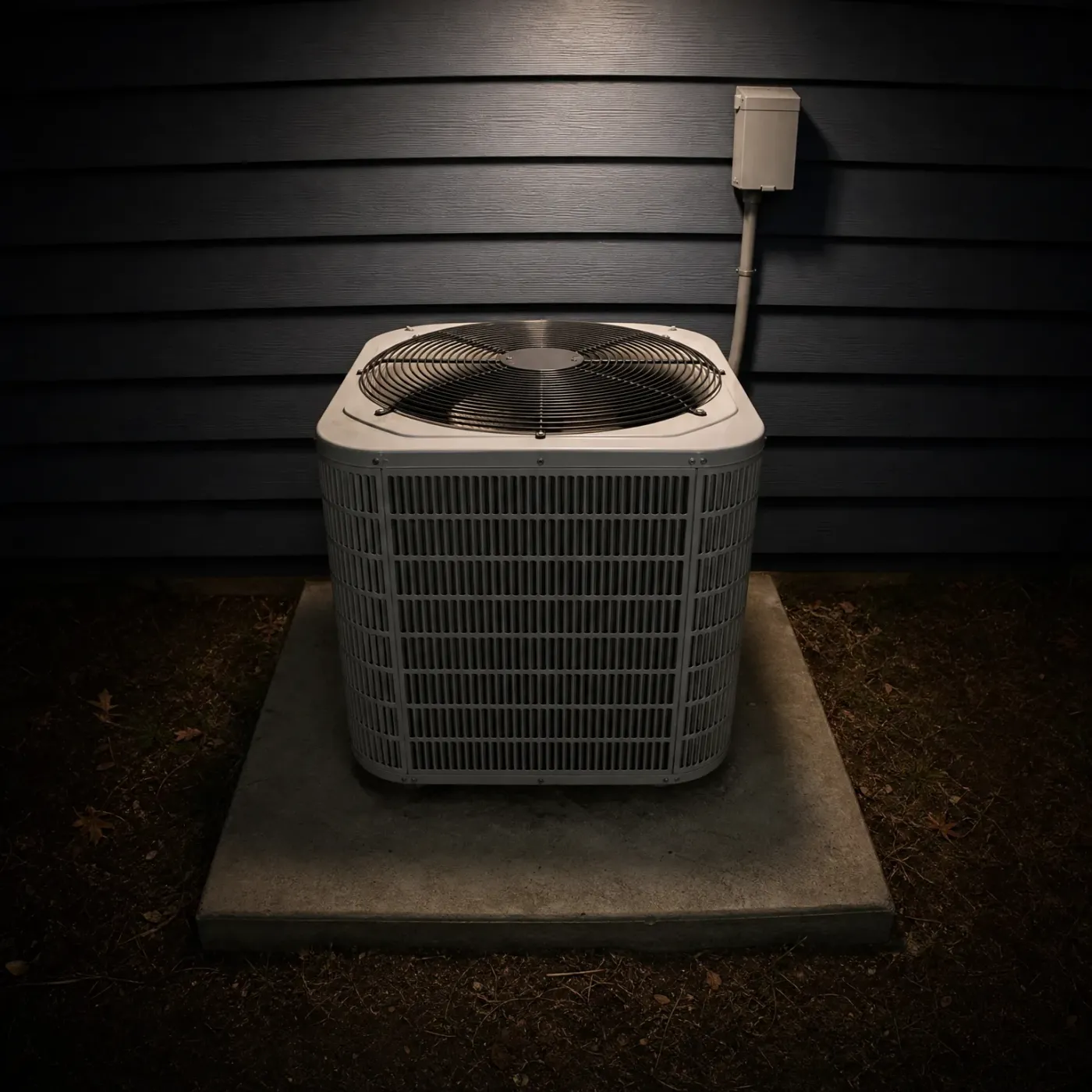
An outdoor air conditioner or heat pump condenser unit on a concrete pad against dark horizontal lap siding, with a conduit running up to a wall-mounted disconnect box.

Heat pump

To heat your home here$1.56per 100,000 Btu

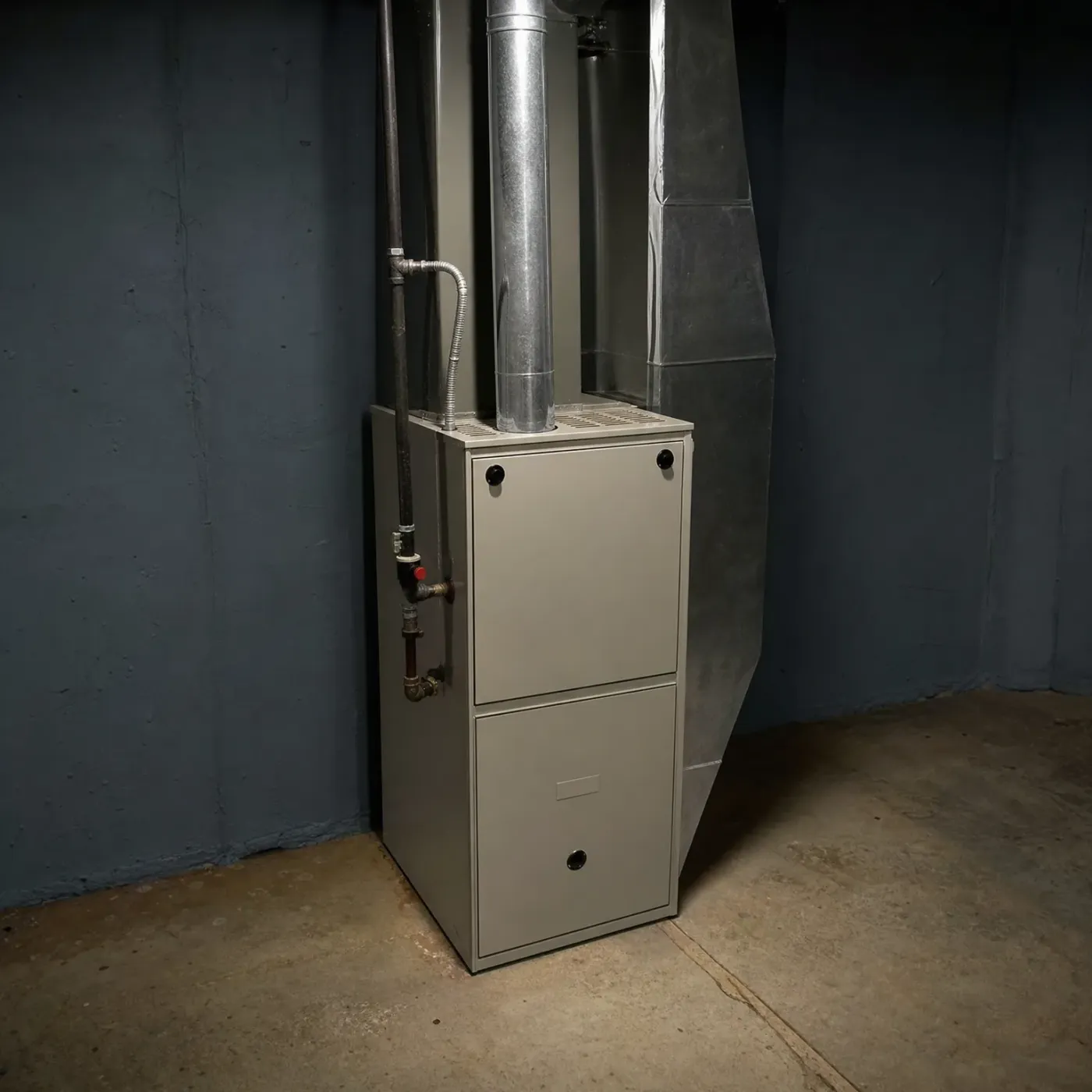
A beige upflow furnace stands in a basement corner against a gray painted concrete wall, with a metal flue pipe, gas piping, and sheet-metal ductwork above it on a concrete floor.

Furnace

To heat your home here$2.00per 100,000 Btu

At Louisiana's gas and electricity prices, a heat pump makes the same heat as a gas furnace for about 22% less.

Btu stands for British thermal unit, the standard measure of heat energy.

Where does a heat pump shine?

  • Made for mild winters

    Winter nights here average 40°F, which is mild enough for a heat pump to pull heat from the outside air without straining. It won't be working against the kind of hard freezes that wear a system down.

    A covered porch with white columns on a gray clapboard house, featuring a dark gray front door with glass panes, a wooden rocking chair with a plaid blanket, boots by the door, and a stone walkway leading to steps past shrubs and frost-tipped grass.
  • Covers a long cooling season

    May through October, your AC is doing most of the work here. A heat pump handles that cooling the same way a regular AC does, then switches over to heat the rest of the year without a separate system sitting idle.

    A covered porch with a glass of iced tea on a woven coaster atop a wooden table, a potted green plant in a wicker basket, a cushioned sofa with a floral pillow, and a dining set with black chairs near a white railing.
  • Heats and cools in one system

    A heat pump runs the same way all year. It pulls heat into the house in winter and pushes it out in summer.

    A living room with a grey three-seat sofa with navy and beige cushions and a dark throw, set before a large multi-pane window looking onto green trees, with a rustic wood coffee table holding plants, bowls and books on a woven rug, a grey panelled door at left and an exposed wooden beam above.

Where does a furnace shine?

  • Pairs with any central AC

    Most central air systems are built around a furnace. The two share the blower, the ducts and the thermostat.

    Sunlit wood floor with a metal floor air vent near a window and sheer white curtain, a woven basket holding a blue knit blanket at left, a blue dresser behind it, and a gray patterned rug in the foreground.
  • Fast, strong heat on demand

    The air coming from the vents feels genuinely hot. That's welcome on a freezing morning.

    Entryway with a dark paneled door with glass panes showing snow outside, snow-dusted boots on a woven jute runner, a floor air vent at left beneath a sheer white curtain, and a wooden bench with a knit throw and steaming mug beside hanging coats and a tan bag.
  • Proven, simple, easy to get serviced

    The design is simple and well understood. That keeps service calls short.

    A gloved hand holds a white pleated air filter in front of a furnace and ductwork, with a shelving unit holding a potted plant, mug, wicker basket and storage box at right.

What your winters actually ask of it

Winter here is short and mild. The heat runs about five months, November through March, and the overnight low averages 40°F across December, January and February. That is well within what a heat pump handles on its own, without help from backup heat. The nights that worry people, the ones at or below freezing, number about 35 a year. That is under a quarter of the nights the heat even runs. A heat pump built to the federal minimum is rated for exactly this kind of winter, and it costs less to run here too: $1.56 against $2.00 per 100,000 Btu, about 22% less than a gas furnace burning Louisiana gas prices.

A furnace is built for places where winter pushes harder than this. It will heat your house here without any trouble, and on the coldest nights it puts out heat faster than a heat pump does. But that strength costs more to run every month it works, and for five months a year is all it does. The other seven months, a furnace has no job in your house at all.
Covered front porch of a house with dark blue-gray horizontal siding, a navy paneled front door with sidelight, a matching porch swing with two white pillows, two hanging fern baskets, white columns and railing, potted plants and trimmed shrubs, and concrete steps leading up to the porch.

The season that actually runs longer here

Cooling is the bigger job in Vernon Parish. It runs about six months, May through October, a month longer than heat, and the afternoon high hits 90°F or above on about 95 days a year. A furnace has nothing to do with any of that. It heats, and that is all it does, which means your air conditioner is a second, separate machine, bought, installed and serviced on its own.

A heat pump is both machines. It heats the five months you need heat and cools the six you need cooling, off one system. For a county where cooling is the longer season, that matters more here than it would somewhere winter dominates.

Most homes in Vernon Parish already heat with electricity, 78.6% of them, against 13.9% on gas. A heat pump fits the wiring and setup already in most houses here. If your current system is a furnace paired with a central AC, that pairing works fine and a lot of homes around you run it. But if you are choosing new, the numbers here, the shorter cooling-only AC question, the cheaper running cost, the milder winter, point to the heat pump as the better fit for this county.

Sources: NOAA nClimDiv · NOAA 1991–2020 seasonal normals · Census ACS 2020–2024 · EIA SEDS 2024 · 10 CFR 430.32

Covered front porch of a blue clapboard house with a wooden swing hanging from chains, a hanging fern, a potted plant beside a dark blue panelled front door, concrete steps, and leafy garden plantings in the foreground.

Common questions about heat pumps and furnaces

  • Will a heat pump keep my house cool enough here?

    Yes. A heat pump is a central air conditioner in the summer months, cooling the same way a standard AC does, and the cooling season here runs about six months, May through October. The same system that heats your house November through March handles the 95 or so days a year that hit 90°F or above.

  • Can I keep my furnace and add a heat pump?

    Yes, that pairing is called a dual fuel system, and it's a common setup. The heat pump handles the heating on most nights, since lows below freezing happen on only about 35 nights a year here, and the furnace takes over or backs it up when it gets colder than the heat pump handles well. It costs more than a heat pump alone, since you're running two systems instead of one, but it means you're never without strong heat on the coldest nights.

  • What if my house doesn't have a gas line?

    A heat pump is the straightforward choice. It runs on electricity, same as propane or oil furnace backup would need anyway, and here it costs less to run than a gas furnace does. Propane and oil also cost more per Btu than utility gas, so a furnace burning either one starts out behind a heat pump on running cost.

  • Is a heat pump cheaper to run than a furnace in Vernon Parish?

    Yes. A heat pump built to the federal minimum runs about $1.56 per 100,000 Btu of heat here against $2.00 for a gas furnace, because electricity in Louisiana is cheap enough and the heat pump moves heat instead of burning fuel for it. Winters in Vernon Parish are mild enough, with overnight lows averaging 40°F, that a heat pump isn't working against a deep cold most of the season.