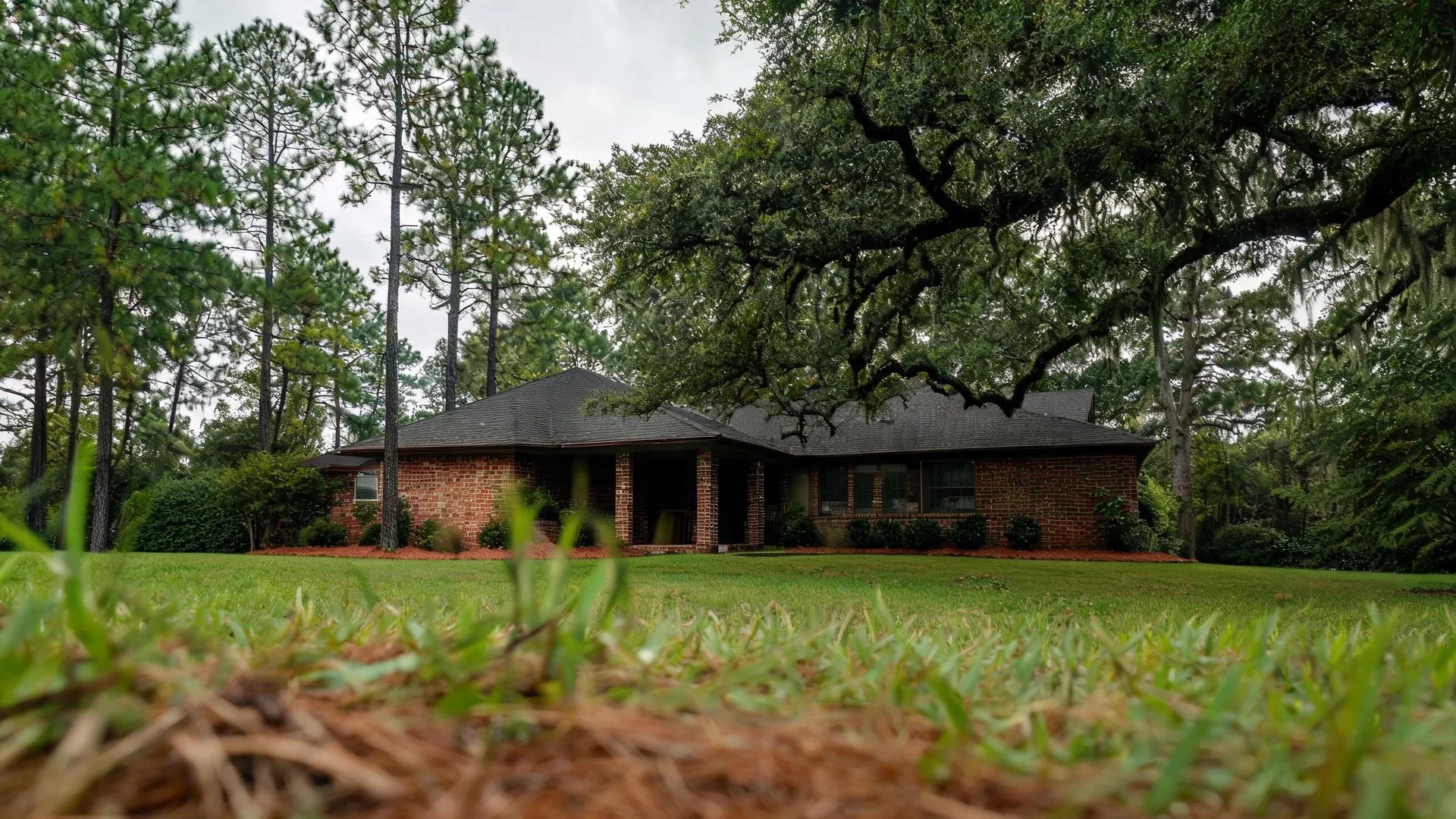
A single-story brick house with a dark shingled roof set behind a lawn, framed by pine trees and a large spreading oak, photographed from a low angle with blurred grass in the foreground.

Heat Pump Maintenance in Thibodaux, LA

Tell us about the job

Takes about a minute. No obligation.

Tune-up, service, or cleaningHeat PumpLafourche Parish, LA
Step 1 of 2

What ZIP code is the job in?

A dirty filter works the whole system harder

When the filter clogs, the blower has to pull harder to move air across the indoor coil. That coil can start to ice over even though the system is in cooling mode, and the outdoor unit ends up running longer to make up the difference. A filter is the cheapest part in the whole system and the easiest to check.


A clogged drain backs up into the house

The indoor coil pulls moisture out of the air, and that water has to leave through the condensate drain. If that line clogs with algae or dirt, the water has nowhere to go but back up into the pan or out onto the floor below. Clearing that line before it backs up is a lot simpler than drying out what it ruins.

A heat pump in Lafourche Parish runs cooling April through October and heat November through February.

March and October are when to get it checked, right before each side of the work starts.

One checkup catches what a year of running here wears down

Half the homes here were built by 1982
Power costs 11.73 cents a kWh statewide
Climate zone 2A

Open the cabinet on a heat pump and a tech is looking for things that don't show up from the thermostat. The reversing valve is one of them. It's what switches the system between heating and cooling, and when it starts sticking, the system can seem to run fine while quietly working the wrong mode longer than it should. Refrigerant charge is another. A system low on charge still blows air, just not as warm or as cold as it should, so nothing seems wrong from inside the house. A tech checks the charge against what the system calls for, not against how the air feels at the vent. Electrical connections loosen with every cycle of heating and cooling, and a loose one creates resistance that shows up as heat, which is how components fail early. None of this is visible from the thermostat, which is the whole reason it gets checked instead of guessed at.

Book it before the season

It starts running hard in the first month of the season here. Book the check the month before.

Find a contractor
A man seen from behind in a dark shirt and tan work pants carries a canvas tool bag up stone steps toward a gray panelled front door of a shingled house, with a potted shrub beside the entry.

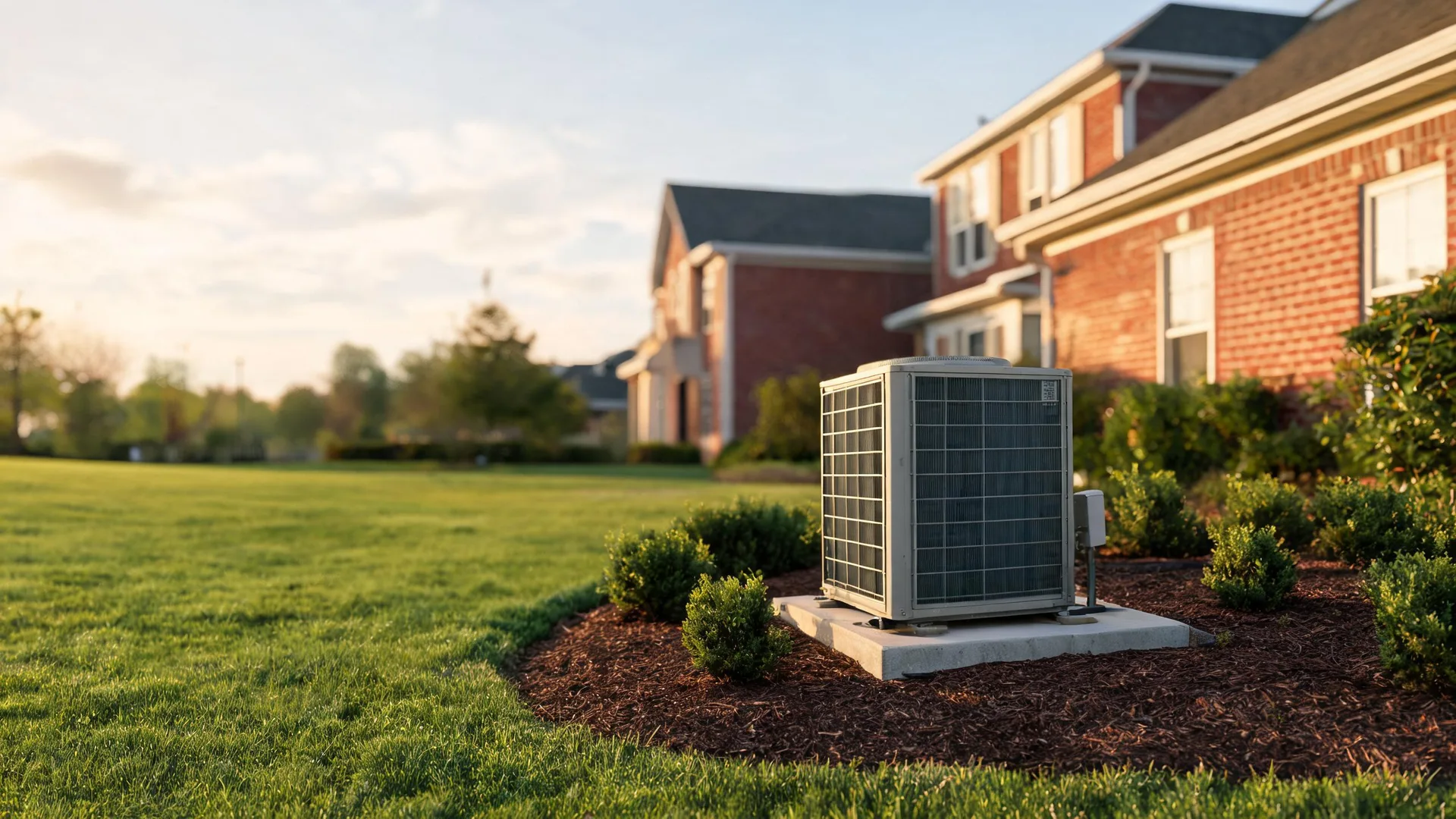
Keep the outdoor unit clear

The outdoor unit needs open air on all sides to move heat in or out. Leaves, grass clippings, mulch, anything piled against the cabinet makes the system work harder to do the same job. Walk around it now and then and keep a couple feet of clearance. After a storm, check for branches or debris sitting on top of it.

Watch how it sounds and smells

A heat pump that's running right is quiet and smells like nothing. A new rattle, a grinding noise, or a burning smell are signs worth calling in before the next scheduled visit, not after. Ice forming on the outdoor coil in heating mode for more than a short defrost cycle is the same kind of thing. These are the signs a homeowner can actually catch between checkups, since the parts that cause them aren't.

A heat pump that needs a look doesn't always make it obvious. In heating mode it might run longer cycles than it used to, or blow air that feels cooler than it should even though the house still reaches temperature. In cooling mode, watch for short cycling. The system kicks on, runs a few minutes, shuts off, then starts again soon after. That pattern wears on the compressor more than a full, normal cycle does. The system struggling to hold a steady temperature, even with the thermostat set the same as always, points to the same thing. None of these show a cause on their own, which is exactly why they're worth having checked rather than waited out.

A tune-up on a heat pump covers more than the filter and the drain. A tech measures static pressure across the system to see how hard the blower is working against the ductwork, not just whether the filter looks clean. They check the contactor and capacitor on the outdoor unit, since a weak capacitor makes the compressor strain to start without tripping anything a homeowner would notice. The condensate pan and float switch get checked too, apart from the drain line itself, because a stuck float switch is what's supposed to shut the system down before water damage happens. Defrost controls get tested in heating mode, since a heat pump that can't sense frost correctly will either defrost too often, wasting heat, or not enough, icing over the coil. Each of these is a small thing on its own. Skipped together over time, they're what turns a normal repair into a compressor replacement.