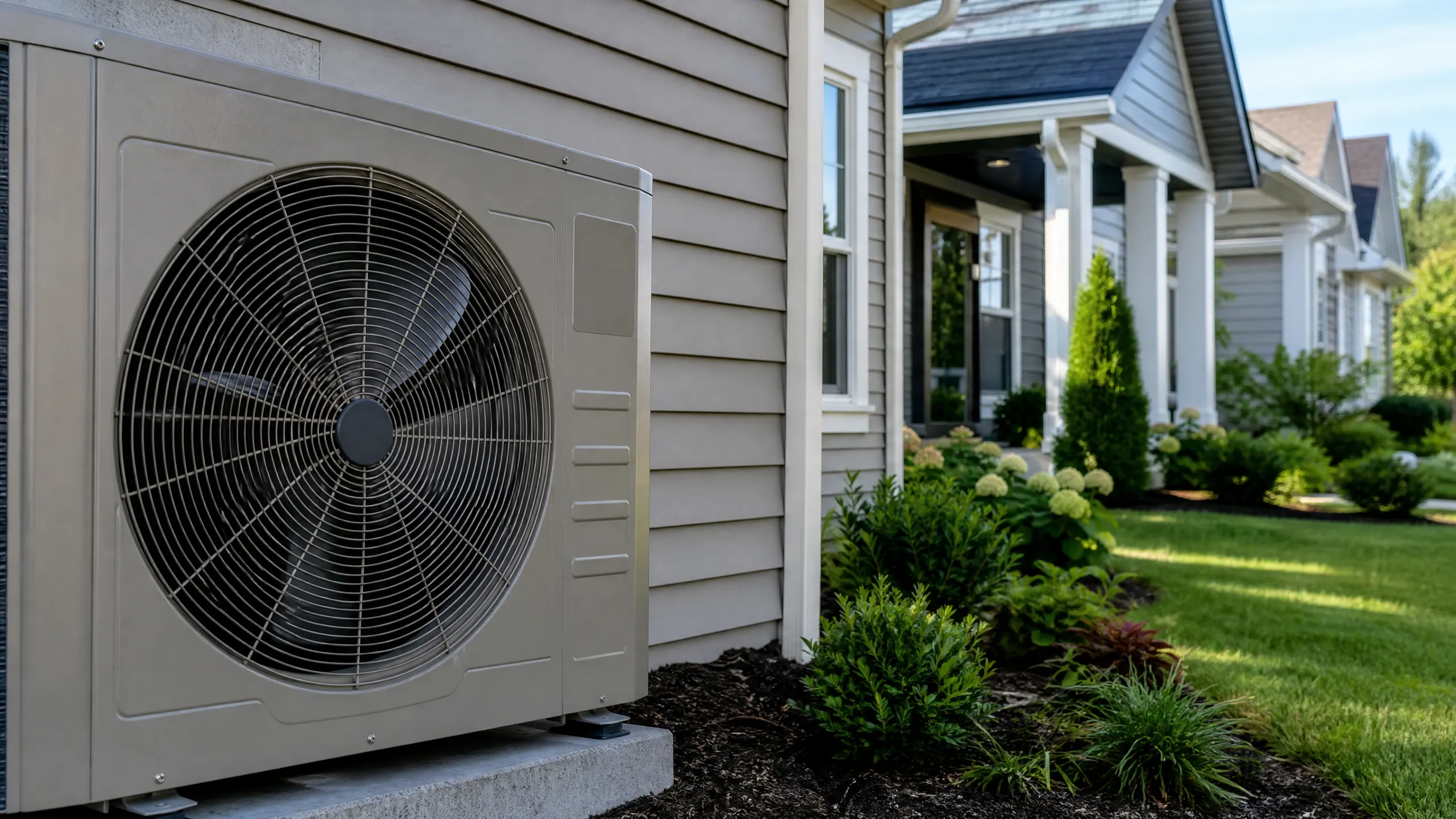
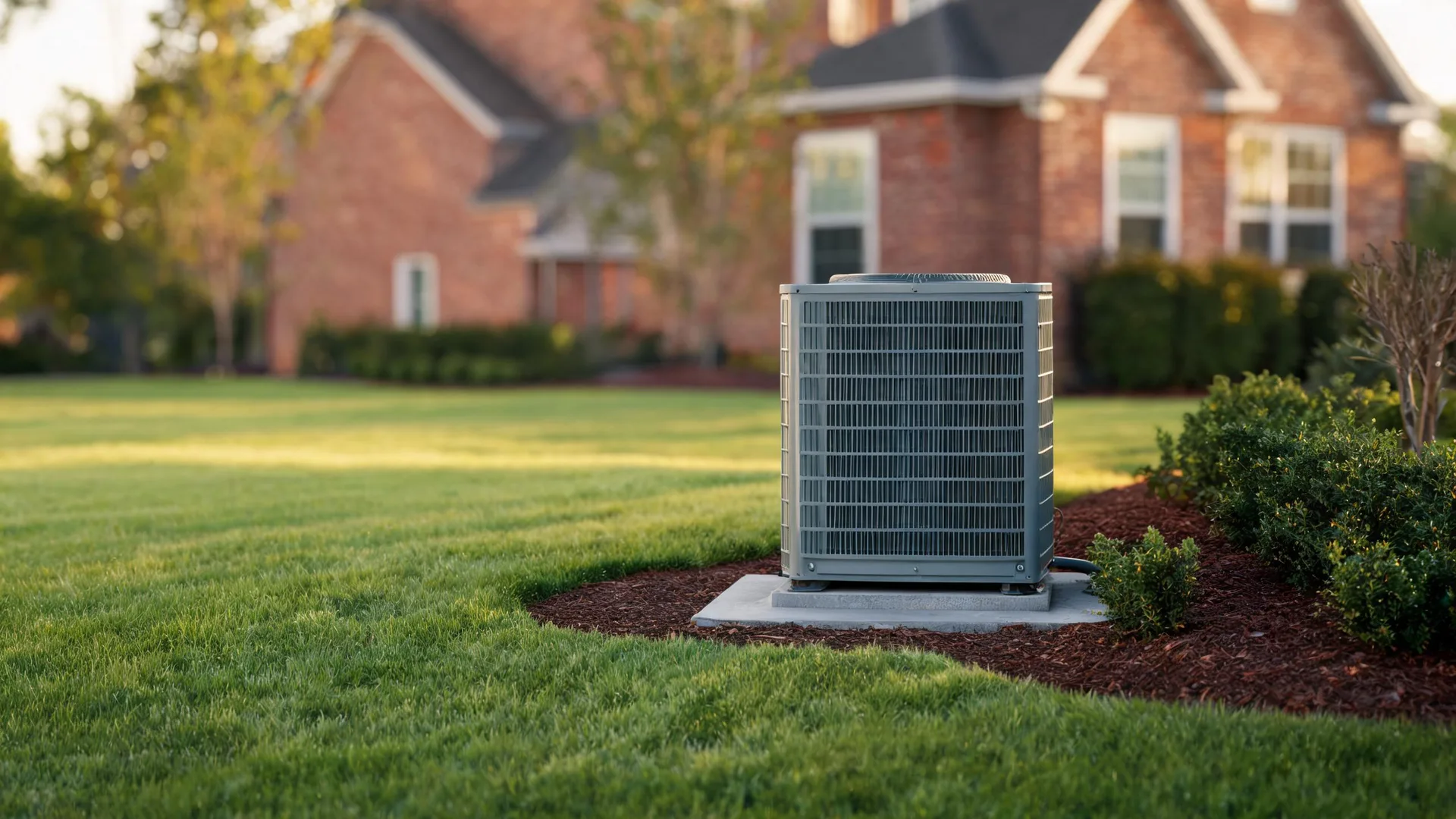
A quick visit looks at the thermostat and calls it done. A thorough one opens the cabinet. The tech should check refrigerant charge, because a heat pump that's low won't heat or cool the way it should in either mode. They should pull the reversing valve through a cycle to make sure it actually switches between heating and cooling, not just hums like it does. The outdoor coil gets cleaned, since dirt and leaves block airflow across it and make the whole system work harder. They should check the defrost cycle too, watching it kick on and shut off the way it's supposed to, not just assume it works because the unit isn't frozen over today. If the visit is just a filter swap and a glance at the readout, ask what they checked on the outdoor unit.
A clean filter is the one thing between visits that actually protects a heat pump.
A clogged filter starves the coil of airflow in both heating and cooling, so swap it on a schedule instead of waiting for it to look dirty.
A heat pump here runs year round, so one yearly visit has to catch what the season would otherwise find
Half the homes here were built by 1980Climate zone 2APower costs 11.73 cents a kWh statewide
Ready before NovemberHeat pumps in Rapides Parish run heat from November through March, so October is the month to get this checked.
Rapides Parish saw 124 severe weather events between 2015 and 2024, and damaging wind was behind most of them. The outdoor unit sits outside through all of it, and wind-blown debris can nick the fins or get pulled into the fan. Hail hits here too, and it dents the coil fins and blocks the airflow the unit depends on. Power cuts are common after storms like these, and a heat pump has no other way to heat or cool the house when the power's out. A maintenance visit after storm season is the time to have the outdoor unit checked for bent fins, dents, or anything that blew into the cabinet.
The filter is upstream of everything else. A heat pump running on a clogged filter pulls less air across the indoor coil, and that coil needs steady airflow to do its job whether it's moving heat in or pulling heat out. Starve it long enough and the coil can ice over in heating mode or sweat and drip more than it should in cooling mode. The outdoor coil has the same problem from the other direction. It sits outside exposed to whatever lands on it, and once the fins are coated or packed with debris the unit can't shed or pull heat the way it needs to, so it runs longer to do the same job. The condensate drain matters just as much and gets ignored because it's quiet. It carries moisture away from the indoor coil, and if it clogs with algae or dirt that water backs up into the pan and can overflow into the cabinet or the space around it. None of these show themselves right away. A dirty coil or a slow drain doesn't stop the system cold, it just makes it work harder and wear faster, which is why they're worth checking before they turn into a breakdown instead of after.
Short cycles or long cycles that used to be normal
A heat pump that used to run in steady stretches and now clicks on and off every few minutes is struggling with something, maybe a dirty sensor or a refrigerant issue. One that used to shut off and now runs long stretches without satisfying the thermostat is losing capacity somewhere. Either change is worth a check before the weather asks more of it.
Ice where there shouldn't be ice
A little frost on the outdoor coil during a defrost cycle is normal. A coil that stays frozen over, or ice building up on the refrigerant lines, means the defrost cycle isn't doing its job or the system is low on charge. Left alone, that ice blocks airflow and the unit works harder to make up for it.
A tune-up also checks things a homeowner has no way to see from the thermostat. The capacitor that kicks the outdoor fan and compressor on gets weak with age, and a weak one makes the compressor strain every time it starts instead of failing all at once. Electrical connections loosen from the vibration of the unit running, and a loose connection heats up at that point and can burn before anything else looks wrong. The refrigerant lines get checked for the right amount of insulation, since bare line loses efficiency in both directions. None of this shows up as a symptom you'd notice from inside the house, not until the part it was protecting finally gives out.
A tune-up also covers things that have nothing to do with refrigerant or airflow but still decide whether the system starts up reliably. The contactor that feeds power to the outdoor unit pits and burns a little every time it closes, and enough wear there means the unit hesitates to start or doesn't start at all. The wiring and connections at the disconnect box outside should get a look too, since that box sits exposed and corrosion creeps in slowly. Fan motor bearings get checked for play or noise, because a motor that wobbles on its shaft wears out its bearings faster and eventually seizes. The tech should also check that the outdoor unit sits level and clear of anything crowding it, since a unit tilted or boxed in doesn't drain or breathe the way it was built to.