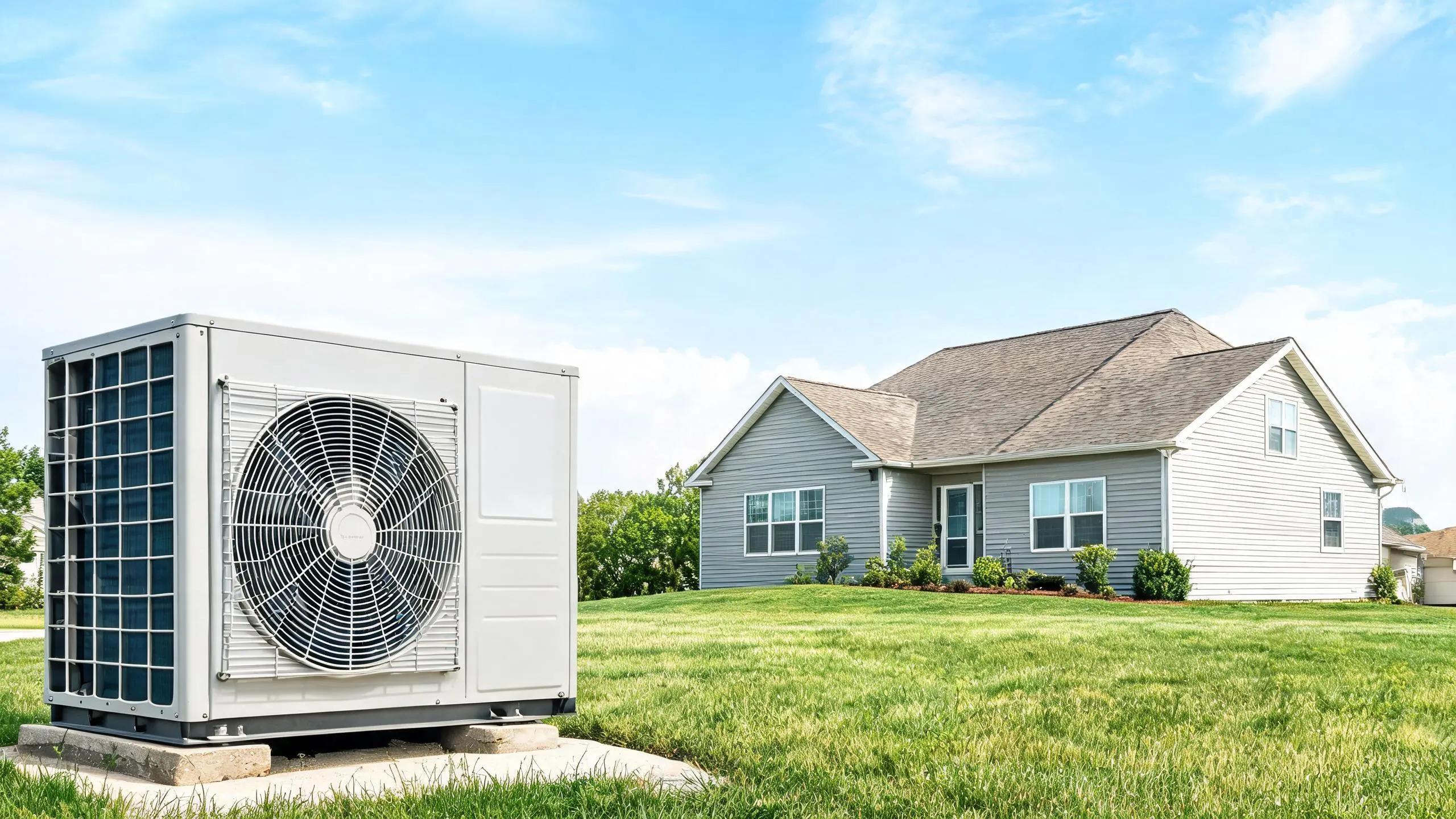




An outdoor HVAC condenser unit on a concrete pad in front of a single-story house with gray siding and a shingle roof.

Heat Pump Maintenance in Baton Rouge, LA

Tell us about the job

Takes about a minute. No obligation.

Tune-up, service, or cleaningHeat PumpEast Baton Rouge Parish, LA
Step 1 of 2

What ZIP code is the job in?

A heat pump that needs a look will usually tell you before it fails outright. Short cycles, where it kicks on and off more than it used to, often point to a sensor or airflow problem worth catching early. Warm air blowing when it should feel properly cold, or cold air when it should feel warm, can mean the reversing valve is starting to stick. Listen for the outdoor unit too. A new rattle, a hum that wasn't there before, or ice building up on the coil outside when it shouldn't are all reasons to have someone check it before the system has to work harder than it should. Catching these early usually means a simpler fix than waiting until the unit stops responding altogether.

Half the homes in East Baton Rouge Parish were built in 1984 or later.

A heat pump that age still has years ahead of it, and a yearly check is what gets it there.

October through March is five months of heat. March through October is seven months of cooling. This system barely gets a break, so the month before each season starts is the time to have it looked at.

Cooling runs April through October
Heat runs November through March
Climate zone 2A

A heat pump that never gets looked at doesn't fail all at once. The coil outside collects dirt and pollen until the system can't shed heat the way it should, so it runs longer to do the same job. A dirty filter starves the indoor coil of airflow, and that coil can ice over even while the system is cooling. A slow refrigerant leak often goes unnoticed for a while, since the system still blows air, just not as cold or as warm as it used to. The contacts inside the outdoor contactor wear down a little every time the compressor cycles, and nobody notices until the day they don't close anymore. None of this looks like trouble at first. It shows up as a system working harder than it needs to, right up until it stops.

Book the yearly check now

If your system came with the house, there's a good chance it still has plenty of life in it. A yearly check is what keeps it running that way instead of losing years to a dirty coil or a contactor nobody caught in time.

Find a contractor
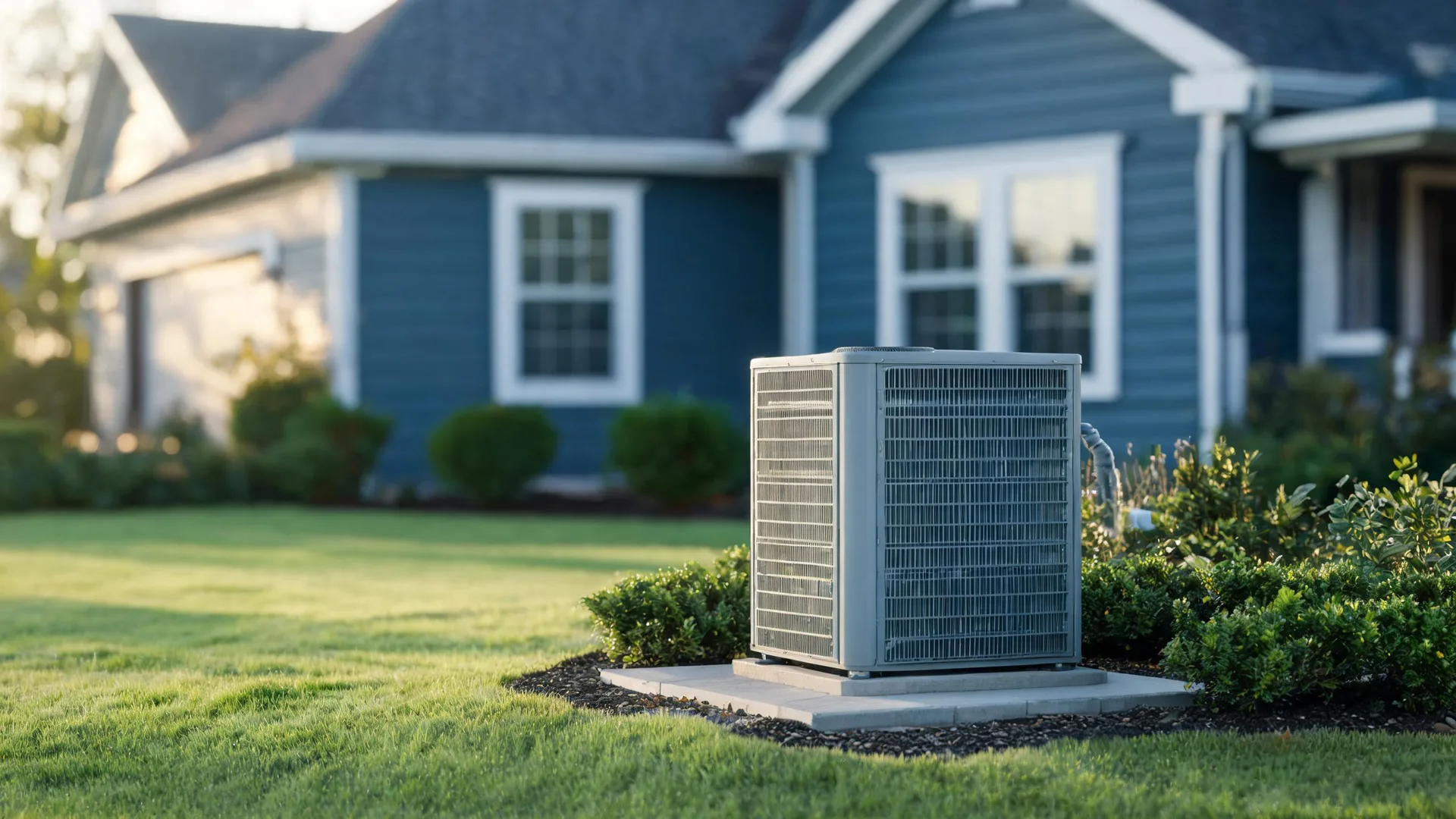
A gray heat pump outdoor unit mounted on a concrete pad next to a residential house with lap siding and stone accents.

What you can check yourself

Keep the area around the outdoor unit clear. Grass clippings, leaves and mulch pile up against the cabinet and block the airflow it needs to move heat in either direction. A couple feet of open space on all sides is enough. Check the filter on a schedule and hold it up to a light. If light barely gets through, swap it. A clogged filter is the most common reason an indoor coil ices over. Outside, look at the coil itself once in a while. If it's caked with dirt or pollen, a gentle rinse with a hose, power off first, helps it shed heat the way it's supposed to. Don't bend the fins or blast it with pressure. Inside, keep supply vents and returns open and unblocked by furniture or rugs. A system starved of airflow on one end runs longer and wears faster on the other. Beyond that, leave the refrigerant, the electrical and the reversing valve to someone trained on them. Those aren't jobs for between visits.

A gauge set sees the charge, not just the airflow

A heat pump can still move air when the refrigerant charge is low, so the vents never tell you anything is wrong. Gauges on the service ports show the pressures the system is actually running, and a tech can tell from those numbers whether the charge matches what the unit needs to move heat properly in both directions.
The reversing valve gets tested, not just listened to

A valve that's starting to stick can still shift most of the time, so it might work fine the day someone's home to notice a problem. Running the system in both modes during a visit and checking that it switches cleanly catches a valve on its way out before it picks the wrong mode on a day nobody's watching.

A quick visit usually means someone glances at the outdoor unit, checks that air is moving, and calls it done. A thorough one means the panels come off. The tech checks refrigerant pressures with gauges rather than guessing from how the air feels, and runs the system in both heating and cooling to watch the reversing valve actually switch. The contactor gets inspected for pitting, since those contacts wear a little every cycle and give no warning before they fail. Electrical connections get tightened, because a loose one generates heat on its own and shortens the life of whatever it's attached to. If nobody opens the cabinet or asks the system to prove it works in both directions, it wasn't a real check, just a look.

A proper tune-up starts with the coil, not the thermostat. The tech pulls the panels and looks at both coils, indoor and outdoor, for dirt buildup that a quick glance from outside would never show. Refrigerant gets checked against the pressures the system is supposed to run, not guessed at from vent temperature. The condensate drain gets checked too, since a clogged one backs up and can shut the system down or drip where it shouldn't. Belts aren't part of this, since these systems run on direct-drive motors, but the motor bearings and the blower wheel get a look because a wheel caked with dust moves less air for the same effort. A capacitor gets tested under load, since a weak one can still start the compressor most mornings and still fail on the one morning it matters.