





Night view of illuminated white Southern-style houses with wraparound porches beneath Spanish moss-draped oak trees.

Heat Pump Maintenance in Luling, LA

Tell us about the job

Takes about a minute. No obligation.

Tune-up, service, or cleaningHeat PumpSt. Charles Parish, LA
Step 1 of 2

What ZIP code is the job in?

Between visits, keep the outdoor unit clear. Leaves, grass clippings, and ice can block airflow across the coil, and a blocked coil makes the system work harder in both heating and cooling mode. Check the air filter and swap it when it looks dirty. A clogged filter restricts airflow the same way on a heat pump as it does on a furnace. Walk past the indoor vents and make sure none are blocked by furniture or rugs. If you notice ice building up on the outdoor unit that doesn't clear on its own, or the system running constantly without warming or cooling the house, that's worth a call rather than something to wait out.

Half the homes in St. Charles Parish were built in 1986 or later.

A heat pump that age has plenty of working life left, and a yearly check is what keeps it there.

Cooling starts in April here. Have the heat pump checked in March.

Cooling runs April through October
Heat runs November through February
Power costs 11.73 cents a kWh statewide

A dirty filter chokes airflow. The system pulls less warm or cool air across the coil than it needs, no matter which mode it's running in. The indoor coil has to stay clean for the same reason, since it can't absorb or shed heat well once it's coated in dust. The outdoor coil needs open air around it too, so it can release or collect heat without extra strain on the compressor. The condensate drain is easy to forget because it only does its job in cooling mode. If it clogs, water backs up instead of draining out, and that can mean an overflowing pan or the system shutting itself down. None of these parts are complicated. They just need to stay clear to let the system work the way it's built to.

Keep it in good shape

If your system is fairly new, a yearly check keeps it in good shape for longer.

Find a contractor
A man in a gray polo shirt and tan work pants carries a worn canvas tool bag up porch steps toward a closed gray front door, with a potted shrub beside the entry.
A dark gray heat pump unit mounted on a concrete pad next to a house with gray siding and a stone veneer wall.

A system that runs in every season needs a check that covers all of them

A heat pump doesn't get a season off. It runs in cooling mode, switches over, and runs in heating mode, so a quick tune-up that only checks refrigerant pressure misses part of the machine. A thorough visit means the reversing valve gets tested in both directions, not just confirmed to be there. It means the contactor and capacitor get checked for wear, since those parts age the same whether the system is heating or cooling. A tech who only hoses off the outdoor coil and checks the thermostat is doing the quick version. One who pulls the panel, confirms the defrost cycle actually kicks in and clears frost, and checks amp draw on the compressor is doing the job the way a system that runs all year needs it done.

The refrigerant charge is never obvious from outside

A heat pump low on charge will still blow air and still switch between heating and cooling. The house might even feel close to right. But the compressor is working harder than it should, and that wear adds up long before the house feels wrong. Checking the charge against what the system calls for is something only gauges show, not a hand held up to a vent.
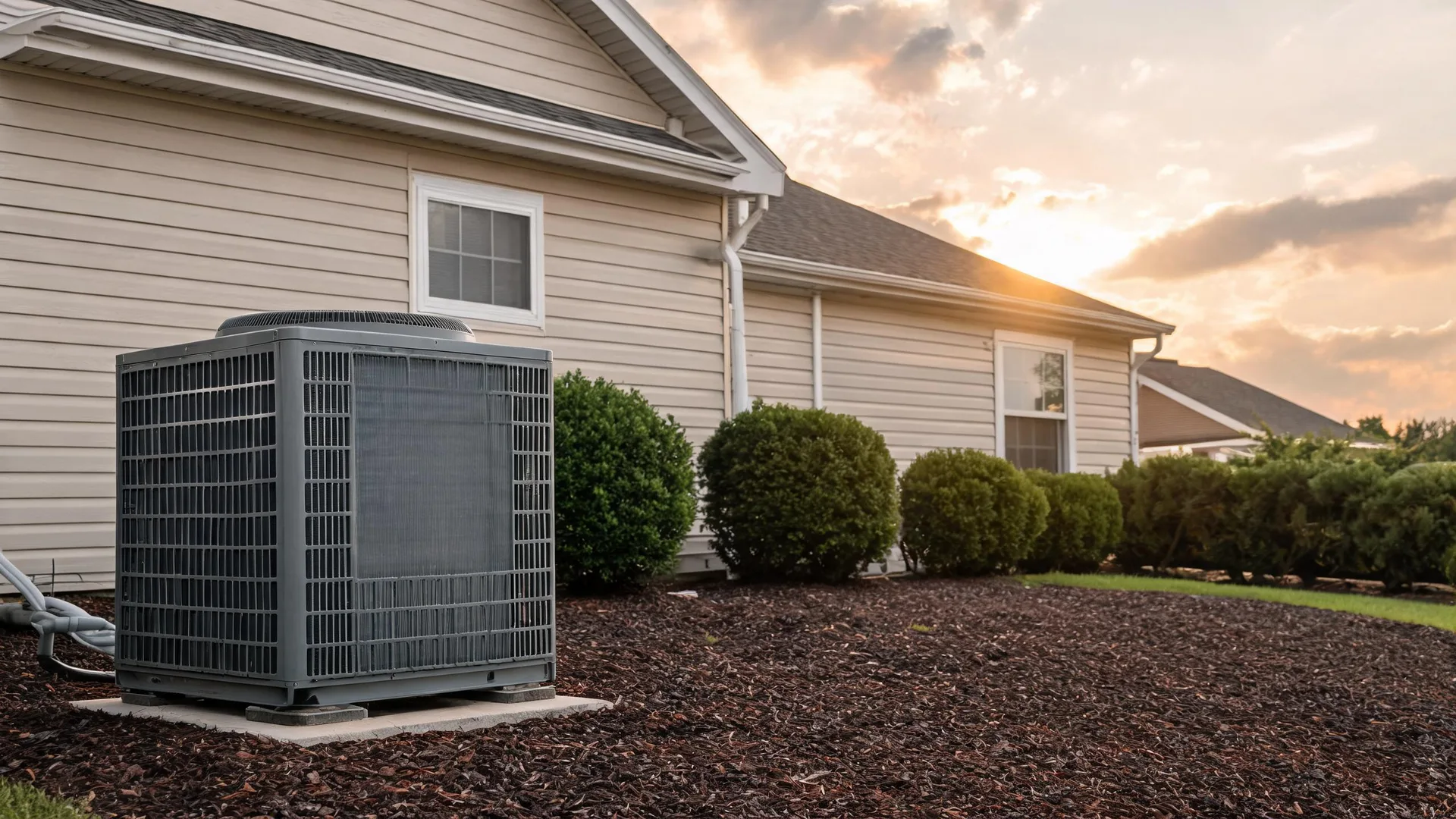
A sticking reversing valve won't shut the system down

The reversing valve is what switches a heat pump between heating and cooling, and it can start sticking before it fails outright. A system with a sticking valve might still blow warm air, just not as much as it should, or take longer to switch over than it used to. Nothing trips, nothing shuts off. A tech checking the valve tests both directions on purpose rather than waiting for the day it won't switch at all.

A heat pump that needs attention doesn't always announce it. Watch how long each cycle runs. If it's taking longer to bring the house to temperature than it used to, or running longer stretches without shutting off, something is making it work harder than it should. Listen for new noises too, a clicking at startup, a buzzing from the outdoor unit, or a hissing that wasn't there before. Short cycling, where the system kicks on and off every few minutes instead of running a full cycle, is another sign worth catching early. None of these mean the system is about to fail. They mean it's time to have it looked at before whatever's straining it turns into something that does fail.

A proper tune-up starts with the tech actually measuring things, not just looking at them. Refrigerant charge gets checked against the system's rated amount, not guessed at. Amp draw on the compressor gets tested under load, since a motor pulling more current than it should is a motor wearing out faster than it should. The reversing valve gets cycled both ways on purpose, not just confirmed to exist. Electrical connections get checked for looseness and corrosion, because a loose connection generates heat right at the terminal. The defrost cycle gets tested too, since that's what clears frost off the outdoor coil in cold weather, and a defrost cycle that doesn't trigger right leaves ice building up until airflow stops. Each of these is a specific check with a pass or fail, not a general look at whether the system seems fine.