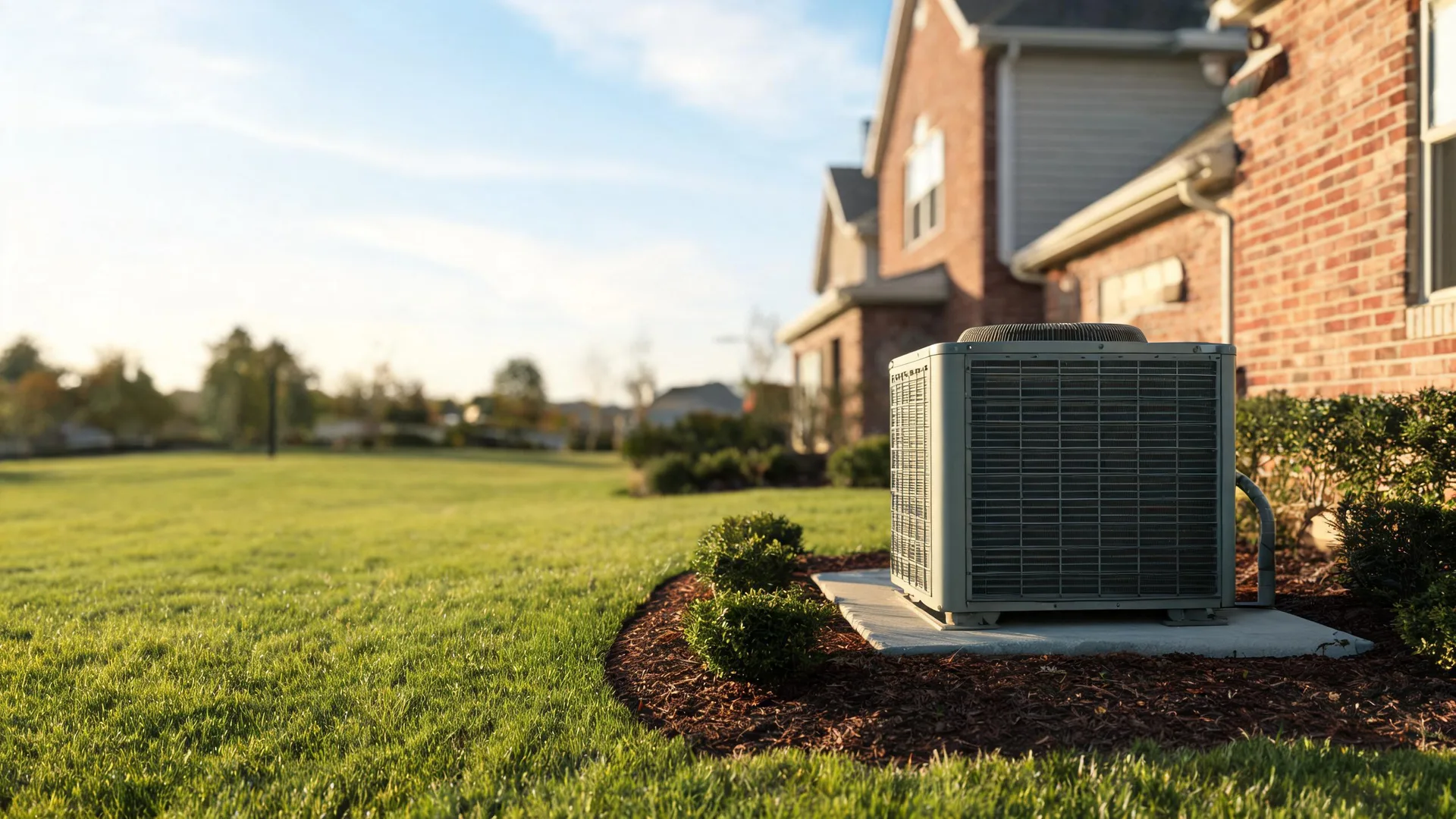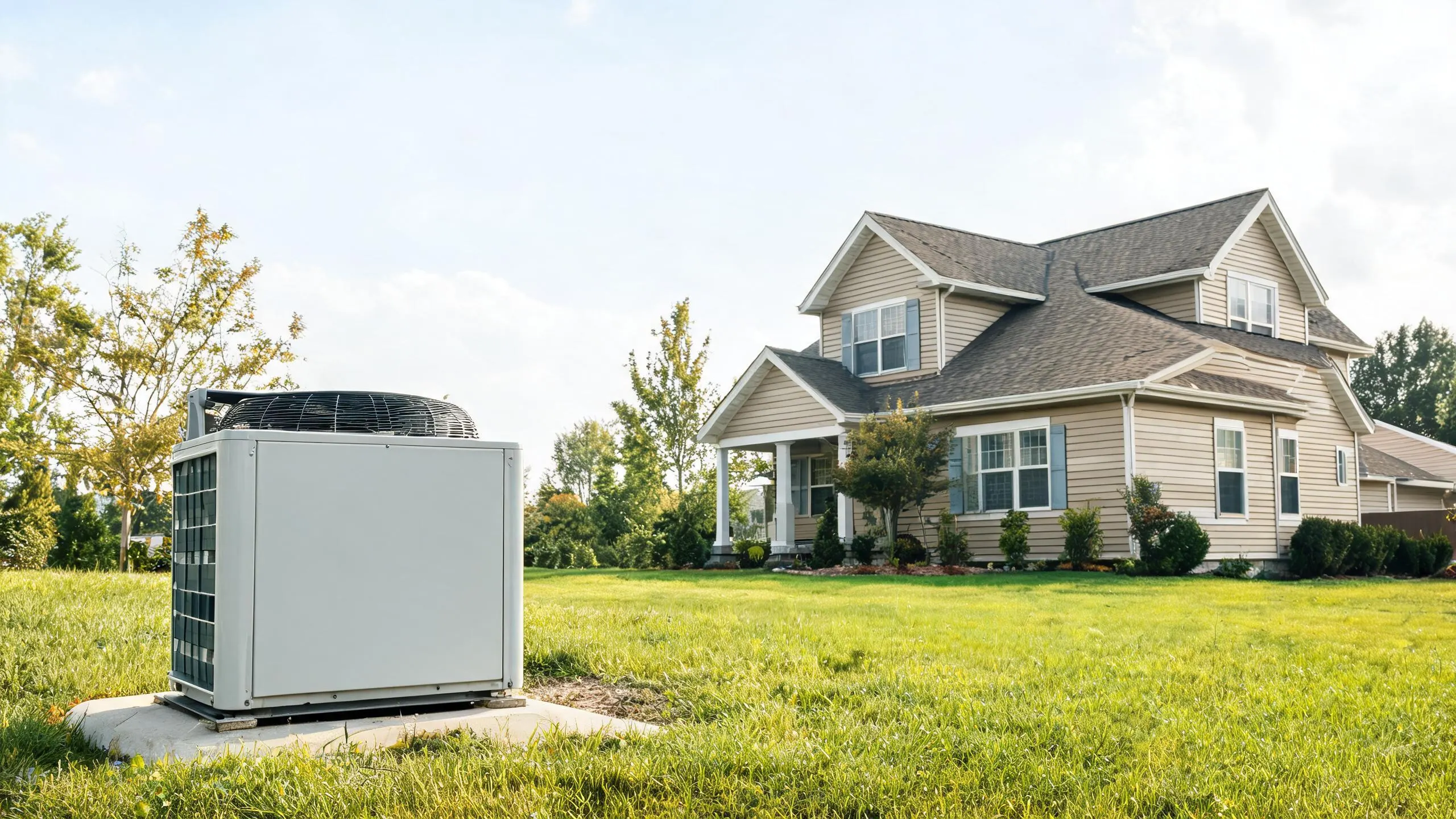
An outdoor HVAC condenser unit on a concrete pad in front of a two-story suburban house.

Heat Pump Maintenance in Monroe, LA

Tell us about the job

Takes about a minute. No obligation.

Tune-up, service, or cleaningHeat PumpOuachita Parish, LA
Step 1 of 2

What ZIP code is the job in?

Dirt builds up where you can't see it

The outdoor coil and the indoor coil both shed heat or pull heat depending on the season. A layer of dust or grass clippings on either one makes the whole system work harder to move the same amount of heat. A heat pump with dirty coils runs longer to hit the same temperature, and the compressor takes the brunt of that extra strain.


Small problems get the time to become big ones

A refrigerant leak gets worse, not better, if nobody finds it. A worn contactor or a failing capacitor works harder each time the system cycles on, until the day it doesn't start at all. Skip the yearly check and the first sign of trouble might be the compressor locking up, or the system blowing air that's barely warm or cool, instead of a technician catching the part before it fails.

Heat pumps in Monroe switch over and start working through November heat right away.

Book the checkup in October, before that first cold morning puts the system to the test.

Half the homes here were built by 1983, so a lot of heat pumps are still well inside their working life

Half the homes here were built by 1983
Climate zone 3A
Power costs 11.73 cents a kWh statewide

Ouachita Parish has logged 140 severe weather events over the past decade, and 86 of those were damaging wind. That outdoor unit sits outside through all of it, exposed to whatever the wind carries and whatever hail comes with it. Nearly half of Louisiana households lost power for a day or more last year. A heat pump that's already running on a weak capacitor or a dirty coil has less room to handle that kind of interruption. Worth having the outdoor unit checked for storm damage and cleared of debris before the next round comes through.

Protect a heat pump that still has years ahead of it

A system built with the house in 1983 or later still has a lot of working life left in it. A yearly checkup is what keeps it running that way instead of wearing down early.

Find a contractor
A gray heat pump condenser unit mounted on a concrete pad against the gray lap-siding exterior wall of a house.

The system tells you before it quits

A heat pump does not wear out all at once. It gives signs first, and most of them show up as the system working harder to do the same job. Longer run times are the main one. If it used to cycle off and now seems to run and run, something is making it work for heat or cool air it used to deliver faster. Warm air out of the vents on a cold day, or air that is barely cool in summer, usually means the system is running but struggling, not that it is about to quit. Short cycling, where it starts and stops over and over instead of running a full cycle, points to a different problem, often electrical. Ice on the outdoor coil that does not clear on its own is a sign the defrost cycle is not doing its job. A hissing or bubbling sound near the lines can mean a refrigerant leak, and that is one that gets worse on its own, never better. Any of these is worth a call before the part behind it fails outright.

Keep the outdoor unit clear

Grass clippings, leaves, and anything growing up against the cabinet block airflow across the outdoor coil. Walk around it now and then and pull back anything crowding it. Leave the panels and the wiring alone. That part is for a technician.

Watch the filter, not the coils

The filter is the one part of this system built for a homeowner to handle. A clogged filter starves the indoor coil of airflow and makes the whole system work harder. Checking it and swapping it when it looks dirty is worth doing between visits. The coils, the refrigerant charge, and the electrical parts need a technician's hands, not a homeowner's.

A clogged filter does more than starve the indoor coil of airflow. That coil stays cold enough to pull moisture out of the air, and the water has to go somewhere. It runs into a drain pan and out through a condensate line, and that line can grow algae or catch dust until it's blocked the same as a kitchen drain would. Once it backs up, the pan overflows instead, and that water lands wherever the indoor unit sits. A dirty filter also lets dust reach the coil itself, and dust holds moisture against the metal longer than clean metal would. None of this starts with the coil. It starts with the filter.

A tune-up starts with the reversing valve, since that's the part that makes a heat pump different from a plain air conditioner, and it has to be tested switching both directions under actual operation, not just looked at. A technician checks refrigerant charge against the manufacturer's numbers, because a system low on charge will still run, just harder and longer than it should. The capacitor and contactor get tested under load, not just eyeballed, since a capacitor can look fine and still be weak. Electrical connections get tightened, since a loose connection generates heat on its own. The condensate line gets cleared, the blower wheel gets checked for dust buildup, and both coils get cleaned if they need it. Defrost controls get checked too, since that's what tells the system to clear frost off the outdoor coil in cold weather, and a sensor or control board that's failing there will let frost build until the unit can't pull heat from the air at all.