A tune-up starts with numbers the thermostat never shows you. A tech checks the refrigerant charge, because a system running low cools and heats worse without ever throwing a code. They check the temperature split between the air going in and the air coming out, which tells them if the system is actually moving heat the way it should. The reversing valve gets tested too, since that's the part that switches the system between heating and cooling, and a valve that's starting to stick won't always show it right away. They'll also check the defrost cycle and the sensor that controls it, because a heat pump that can't clear frost off the outdoor coil loses capacity fast once the weather turns cold. None of this shows up as a problem you'd notice from inside the house, not until it does.
Half the homes in Avoyelles Parish were built in 1980 or earlier.
A heat pump's age isn't on the house's title, so a yearly check is what catches a system that's drifted out of spec.
20 tornadoes, 25 wind events, one outdoor unit sitting through all of it
61 severe weather events from 2015 to 202449% of homes statewide lost power a day or more in 202425 damaging wind events from 2015 to 2024
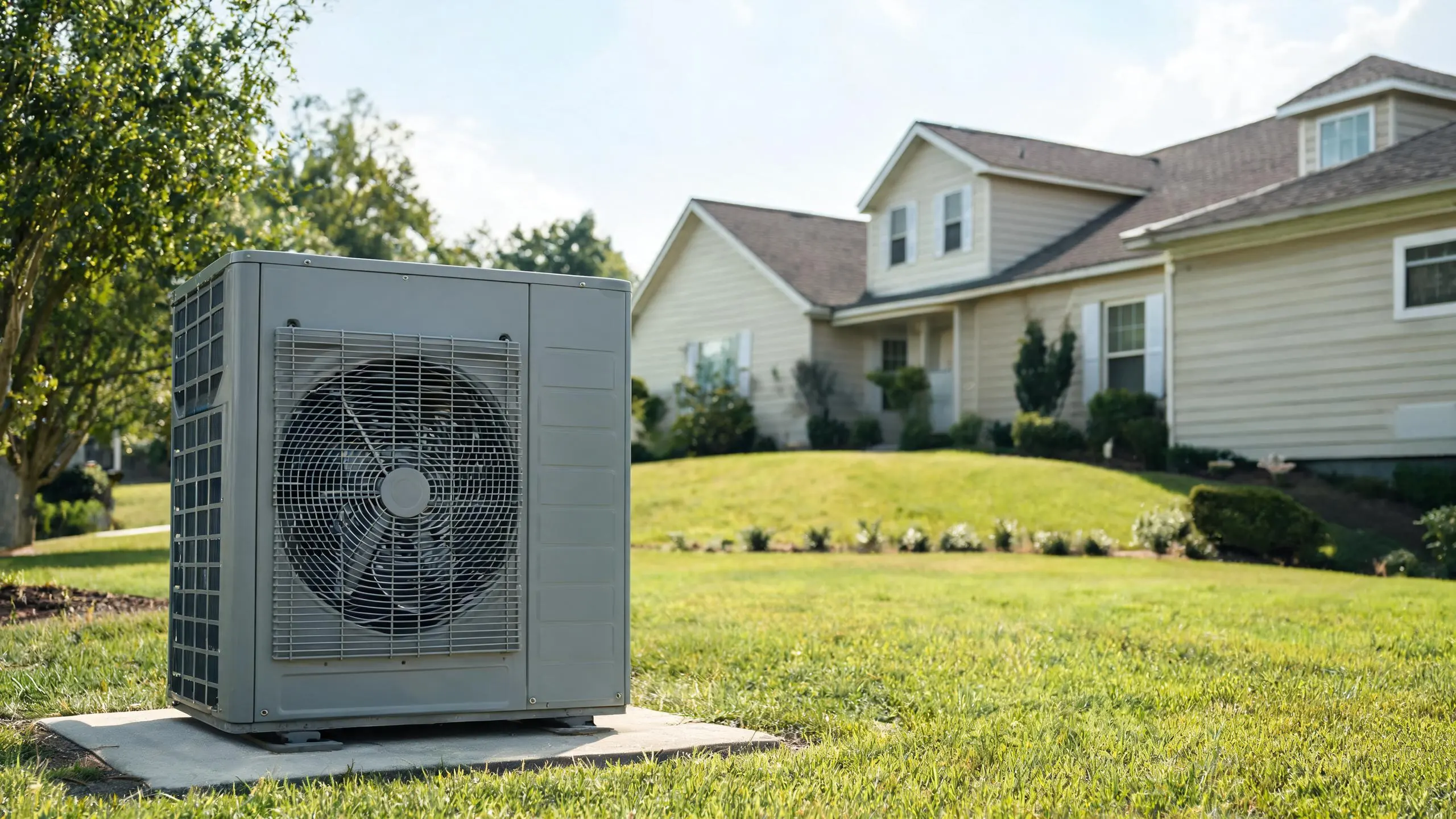
The outdoor unit sits outside year round, which means it takes whatever the season brings. After a storm, it's worth a look before the system runs again. Debris can block the coil or get into the fan. Hail can dent the housing or bend the fins enough to cut down airflow. A tech checking the unit for this can also confirm the coil's clean and the fan spins free, the same things a seasonal check would cover anyway. If the parish just came through a bad stretch of weather, that's a reason to move the yearly check up rather than wait.
A heat pump runs every day of the year, not just a season like a furnace or an AC unit sitting idle the rest of the time. That means the signs of it falling behind show up differently than they would on either of those. Listen for it taking longer to reach the set temperature, or running in longer stretches without shutting off. Check the outdoor unit for ice building up on the coil outside of a normal defrost cycle. Notice if one room runs warmer or colder than the rest of the house, when it didn't used to. None of these stop the system from running. They just mean it's working harder to do the same job, and a system working harder wears out its compressor and its motors sooner than it should.
Keep the outdoor unit clear
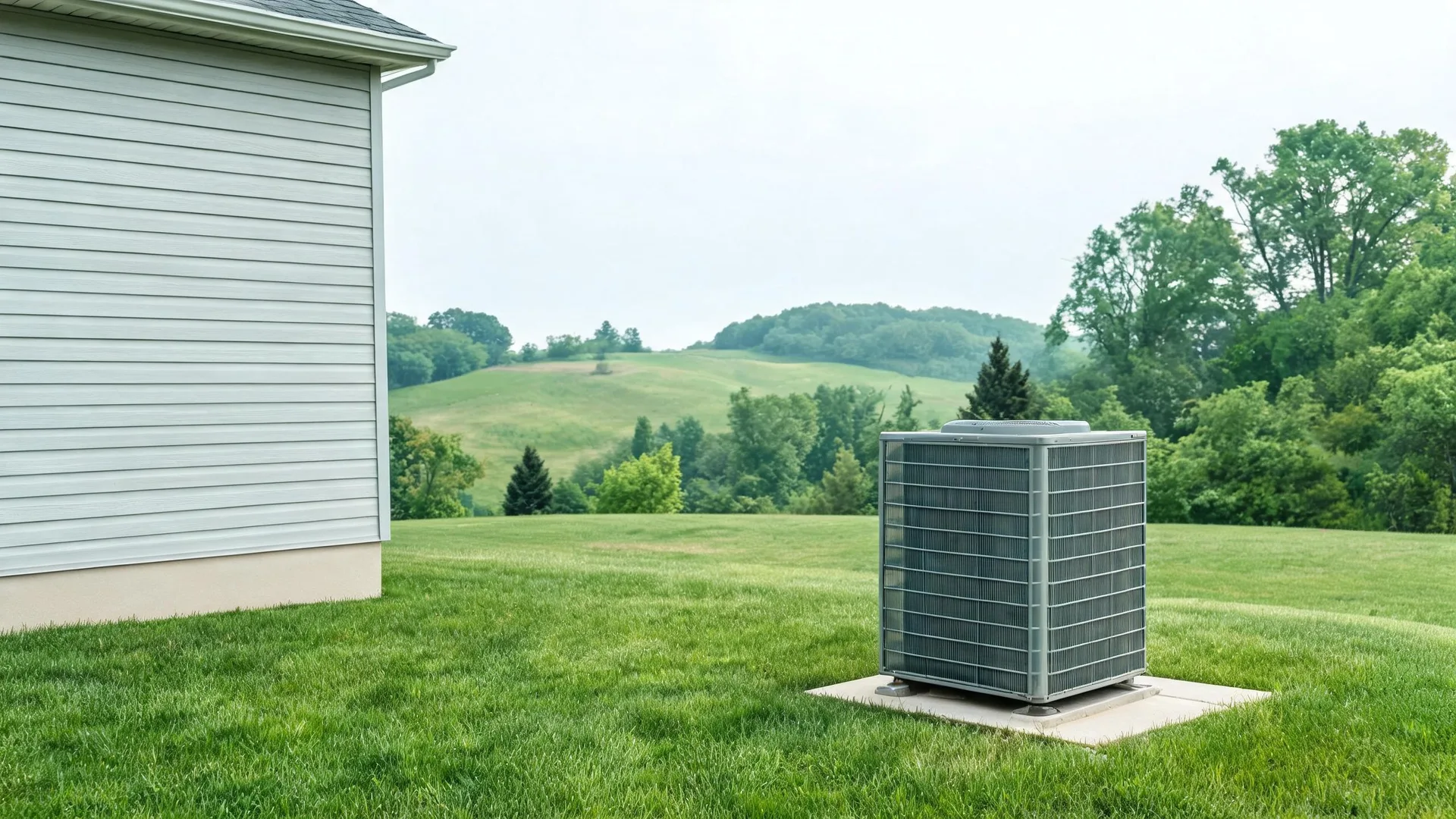
The outdoor unit needs open space on all sides to pull air through the coil. Trim back anything growing close to it, and keep leaves, grass clippings and mulch from piling against the housing. After mowing nearby, brush off any clippings stuck to the fins. A coil that can't breathe makes the system work harder to move the same amount of heat, in both directions.
Change the filter on a schedule
A dirty filter chokes airflow across the indoor coil, and a heat pump depends on that airflow to heat and cool. Check it monthly and change it when it looks gray or clogged rather than waiting for a set date. Between visits, this is the one part of the system a homeowner can actually see and touch, and it's the one most likely to cause trouble if it's ignored.
A dirty filter and a dirty coil cause the same kind of trouble from opposite ends of the system. The filter chokes off air before it ever reaches the indoor coil. The coil, if it's coated in dust, can't give up heat or absorb it the way it's built to, even with good airflow behind it. Either way the system runs longer to move the same amount of heat, and in cooling mode that extra run time means more condensation for the drain to carry off. If the drain line is clogged with algae or sludge, that water backs up instead of draining out, and it can overflow the pan underneath the indoor unit. A tech cleaning the coil and clearing the drain during a tune-up is chasing one root problem, not several unrelated ones.
A tune-up also covers things that don't show up by running the system at all. The contactor and capacitor get checked because a weak capacitor makes the compressor strain to start, and that strain shortens its life well before it fails outright. Electrical connections get tightened, since a loose connection at the contactor builds heat and resistance over time. The refrigerant lines get inspected for wear where they rub against a wall or bracket, because a line that chafes through eventually leaks. None of this is visible unless someone's looking for it, and none of it tells you anything's wrong until the day it does.