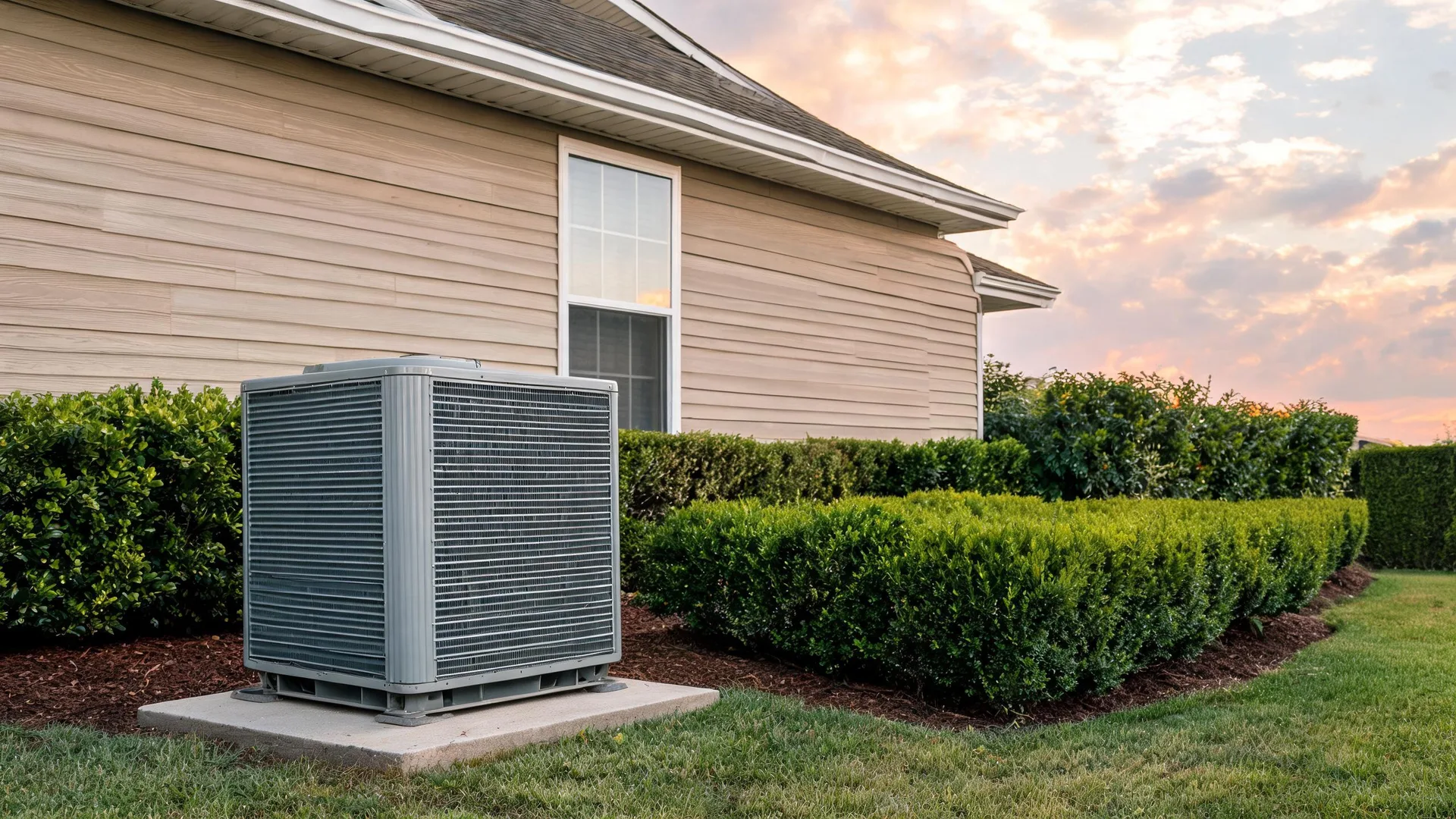
A heat pump maintenance visit checks the refrigerant charge, the coils and the electrical connections once, before summer or winter asks something of them. For a system running this hard, that single check is what finds a weak capacitor or a dirty coil before it causes a breakdown.
Half the homes here are older, and age changes what gets checked
Half the homes in Iberia Parish were built in 1982 or earlier. If your heat pump is original to a house that age, or even a replacement unit installed since, a yearly visit is when a contractor can tell you where it stands and what it needs.
A dirty filter chokes airflow across the coils, indoors and out.
Starved coils make the compressor work harder to move heat, and a compressor that strains all year is the part most likely to fail.
A heat pump here works two seasons a year. Have it checked before each one starts.
Cooling runs April through OctoberHeat runs November through MarchPower costs 11.73 cents a kWh statewide
A heat pump that needs attention doesn't always make noise about it. Watch for short cycling, where the system turns on and off every few minutes instead of running a full cycle. Watch for ice on the outdoor coil when the weather isn't cold enough to explain it. Inside, a system blowing air that feels wrong for the setting, cool air in heat mode or weak airflow in either one, is worth a look. Rooms that used to heat or cool evenly and now don't are telling you something changed. None of these mean the system is about to quit, but each one is the kind of thing a maintenance check is built to catch before it becomes a repair.
Between visits, the filter is the one thing worth your attention. A dirty filter chokes airflow before it ever reaches the coils, and a homeowner can check it without any tools. Pull it, hold it up to a light, and if you can't see light through it, change it. Keep the area around the outdoor unit clear too. Grass clippings, leaves and anything piled against the cabinet block the airflow that unit depends on to move heat. Walk past it and glance at the coil fins for dirt or debris while you're at it. Past that, leave it alone. Don't pull panels, don't touch refrigerant lines, and don't try to diagnose a noise or a smell yourself. If something seems off between visits, that's worth a call rather than a guess.
Readings a visual check can't give you
A tech gauges refrigerant pressure and checks the temperature split between supply and return air. Those numbers say whether the charge is right and whether the compressor is moving heat the way it should. Nothing on the outside of the unit tells you that. The system can look fine and sound fine while running on a charge that's already down.
The reversing valve only gets tested one way
A heat pump switches between heating and cooling with a reversing valve, and that part only proves itself when it's asked to switch. Run the system through both modes during a visit and a sticking valve shows up right away, before the season that depends on it arrives. Skip that check and you find out the valve is bad on the first cold morning you need heat instead of air.
A thorough tune-up runs the system in both modes, not just the one it happens to be sitting in when the tech arrives. It pulls the panel and checks the wiring, not just the filter. It checks refrigerant by pressure and temperature split, not by feel at the vent. A quick visit swaps the filter, glances at the coil, listens for anything loud, and calls it done. That catches the obvious stuff. It doesn't catch a reversing valve that sticks only under load, or a charge that's a little low but not low enough to show up as warm air yet. Ask what gets checked, not just what gets replaced. A short visit and a real one can look the same from the driveway and find completely different things.
Cleaning counts as part of the job, not the whole of it. The outdoor coil gets rinsed clean of the dirt and grass clippings that choke airflow, and the indoor coil gets checked for the same. A tech tightens the electrical lugs at the contactor and the capacitor, since those are the connections that work loose from vibration over time. The condensate drain gets cleared, because a clogged drain backs up and the system responds by shutting itself off. Belts aren't part of this, a heat pump's motors connect directly with no belt to wear out, but the bearings in those motors do get checked for play and noise. The blower wheel gets looked at too, since dirt builds up on the blades and throws it out of balance long before it fails outright.