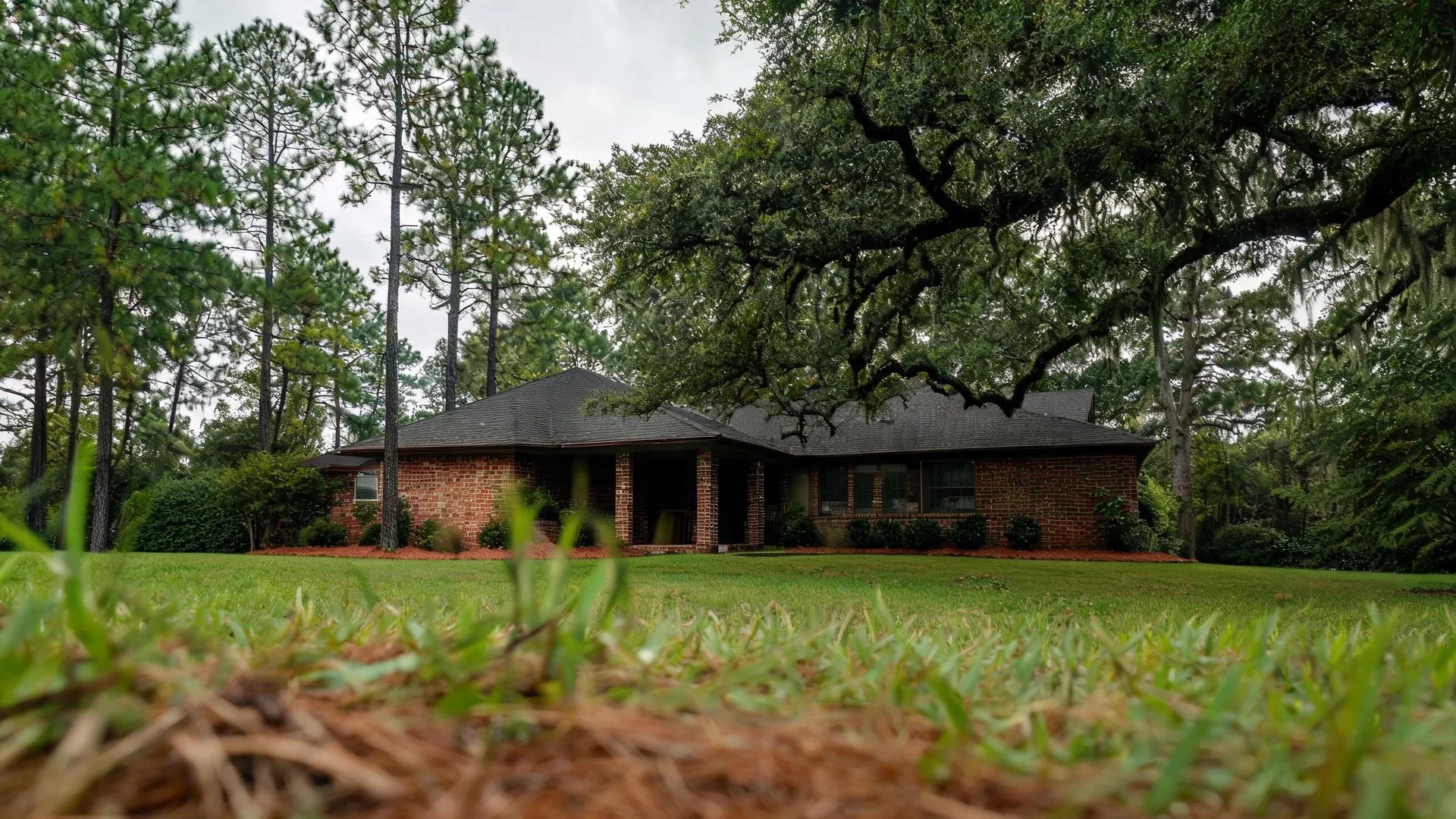






A single-story brick house with a dark shingled roof set behind a lawn, framed by pine trees and a large spreading oak, photographed from a low angle with blurred grass in the foreground.

Furnace Repair in New Iberia, LA

Tell us about the job

Takes about a minute. No obligation.

RepairFurnace or heatingIberia Parish, LA
Step 1 of 2

What ZIP code is the job in?

Your furnace only has to work about five months a year here, November through March. Overnight lows average 46 degrees in the dead of winter, which is mild compared to what furnaces deal with farther north. That's not a lot of hard running. A furnace in New Iberia usually isn't failing because it's worn out from strain. When something goes wrong, it's more likely a part that's aged out or an issue that's been building quietly, not a system that's been pushed past what it can handle. That's good news if yours is acting up, because it means a repair is usually the right call, not a sign the whole unit is on its way out.

5 months
November through March, your furnace is on duty
46°F
the average winter night it heats against
Isometric cutaway illustration of a single-story house showing interior rooms with furniture, a furnace unit with connected ductwork and a tall vertical flue pipe extending above the dark shingled roof.
Your furnace works hardest from December through February.

NOAA nClimDiv, 1991–2020 normals

Furnaces in Iberia Parish sit idle most of the year and start back up in November.

October is the month to get yours checked, before that first cold week finds the weak part first.

A mild winter here, so the furnace isn't what's wearing it out

Half the homes here were built by 1982
Heat runs November through March
Winter nights average 46°F
Weather here is rough on power lines, not furnaces40 severe weather events hit this parish in ten years, but none of them wear out a furnace

If your furnace is acting up, get a technician to look at it rather than planning around a replacement. Five months of real running a year means parts tend to fail one at a time, not all at once, so most calls end with a repair, not a new unit. Have them check the part that's actually misbehaving, the igniter, the flame sensor, or the blower motor, instead of replacing anything that still works. A furnace that's only been asked to work since November has a lot of life left in the parts that haven't failed yet.

It's usually worth repairing

It has an easier job here than in most places, so your furnace is often in decent shape. Repair is usually worth it.

Find a contractor
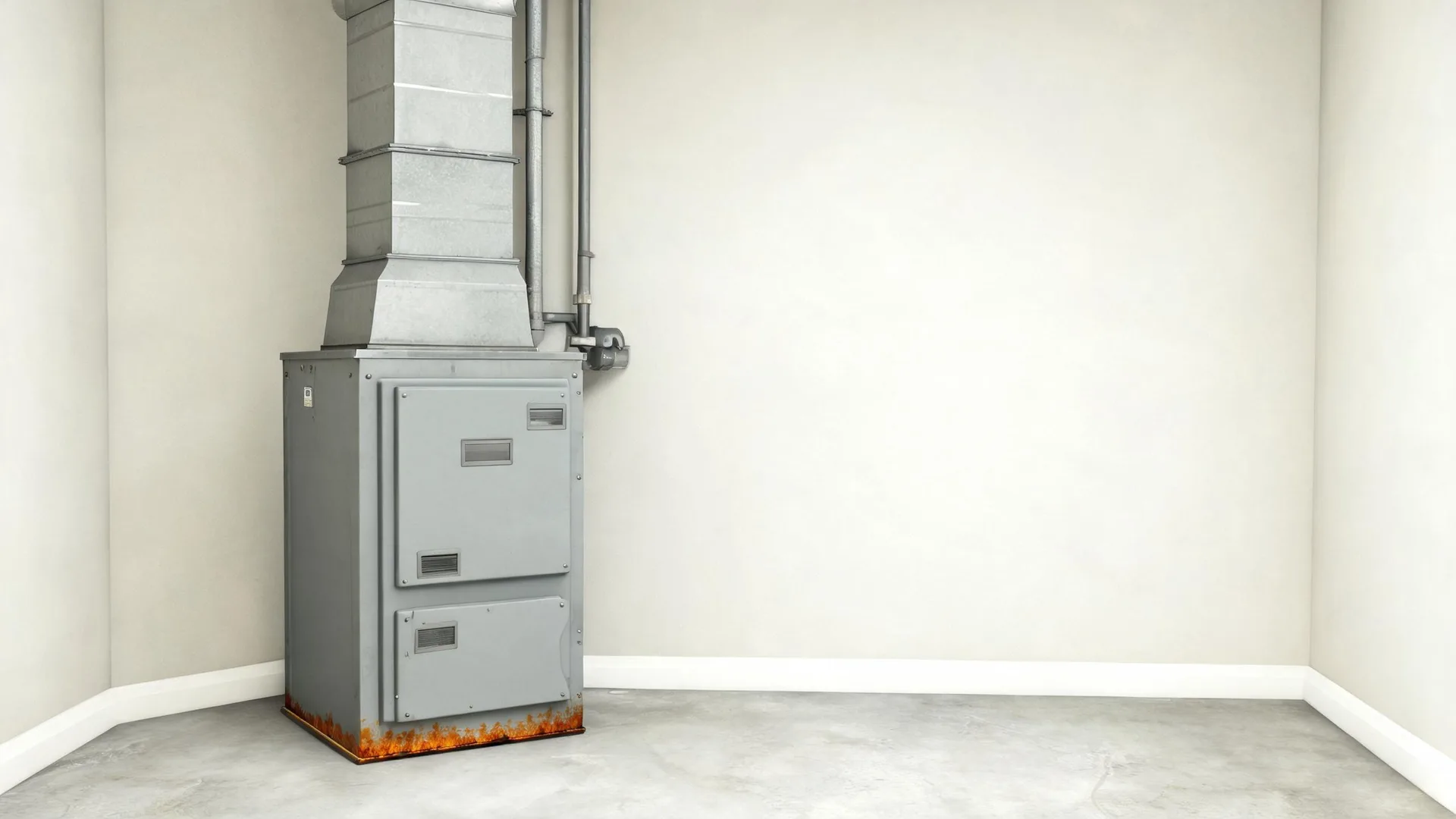
A gray residential gas furnace installed in an unfinished basement, connected to sheet-metal ductwork and PVC pipes.

Furnaces fail one part at a time

Furnaces don't fail from the calendar, they fail from parts wearing out one at a time. The igniter sits in direct heat every time it fires and the metal fatigues until it cracks or stops glowing hot enough to light the gas. A flame sensor coats with a thin film of oxidation from being in the flame itself, and once that film builds up, it can't tell the control board the flame is lit, so the furnace shuts itself down as a safety step. The blower motor runs on a bearing that wears with every hour of use, and dust and lint collect on the wheel until it's pulling more current than it should. A dirty flame sensor can be cleaned. A cracked igniter or a failing blower motor gets replaced. None of this is about how long the system has been installed. It's about which part has quietly reached the end of what it can do.

What you'll actually notice first

The furnace cycles on and off faster than it used to, or it blows air that isn't as warm as it should be. Sometimes it just won't light, and you hear the clicking of the igniter trying and failing. A burning dust smell on the first few runs is normal. A smell that lingers, or one that's sharper, is not.
What those signs are telling you

Short cycling usually means the flame sensor can't confirm a flame, so the control board shuts things down before anything gets dangerous. Weak heat often points to a blower motor that's struggling to push air through. None of these are signs to wait out. A furnace that's shutting itself down is doing what it's supposed to do, but the part causing it still needs attention before it fails completely.

A furnace that's short cycling or struggling to light will keep trying, because that's what the control board is built to do. Each attempt puts the same strain on the part that's already failing. An igniter that's starting to crack gets hotter and cooler with every cycle until it breaks all the way through. A flame sensor with a little oxidation on it will sense the flame less reliably each time, until it stops sensing it at all. Running a struggling blower motor doesn't fix the bearing or clean the wheel, it just adds more hours to a part that's already wearing out. Left alone, a small problem like this tends to end the same way, with the part failing completely instead of just acting up. Catching it while it's still just acting up is usually the easier repair.

A diagnostic visit starts with the complaint, not the furnace. A tech wants to know what it was doing before it quit, short cycling, no heat, a smell, a sound, because that points to a system before any panel comes off. From there it's power and gas confirmed first, since a lot of no-heat calls trace back to a switch or a thermostat setting rather than the furnace itself. Then the panels come off and the tech watches a full cycle happen, the igniter glowing, the flame catching, the sensor reading it, the blower kicking in. Whatever fails to happen in that sequence tells you which part to look at. It's not guesswork and it's not a parts-swapping exercise, it's watching the furnace do its job until the job stops happening correctly.