





A lit antebellum-style two-story house with white columns and a wraparound porch at night, framed by live oak trees draped in Spanish moss.

Furnace Repair in Belle Chasse, LA

Tell us about the job

Takes about a minute. No obligation.

RepairFurnace or heatingPlaquemines Parish, LA
Step 1 of 2

What ZIP code is the job in?

A furnace that's cracking, banging, or short cycling is telling you something, and running it anyway usually lets the problem spread. A cracked heat exchanger gets worse with every heat cycle, as the metal expands and contracts around the damage. A failing igniter that struggles to light the burners will eventually stop lighting them at all, often during the coldest stretch. A clogged filter forces the blower motor to work harder than it's built for, and that strain shortens its life. Short cycling, where the furnace fires up and shuts off again and again, wears on the ignition system and the blower with every cycle. None of these fix themselves by waiting. They tend to end with the furnace not running at all, right when you need it most.

3 months
December through February, your furnace is on duty
49°F
the average winter night it heats against
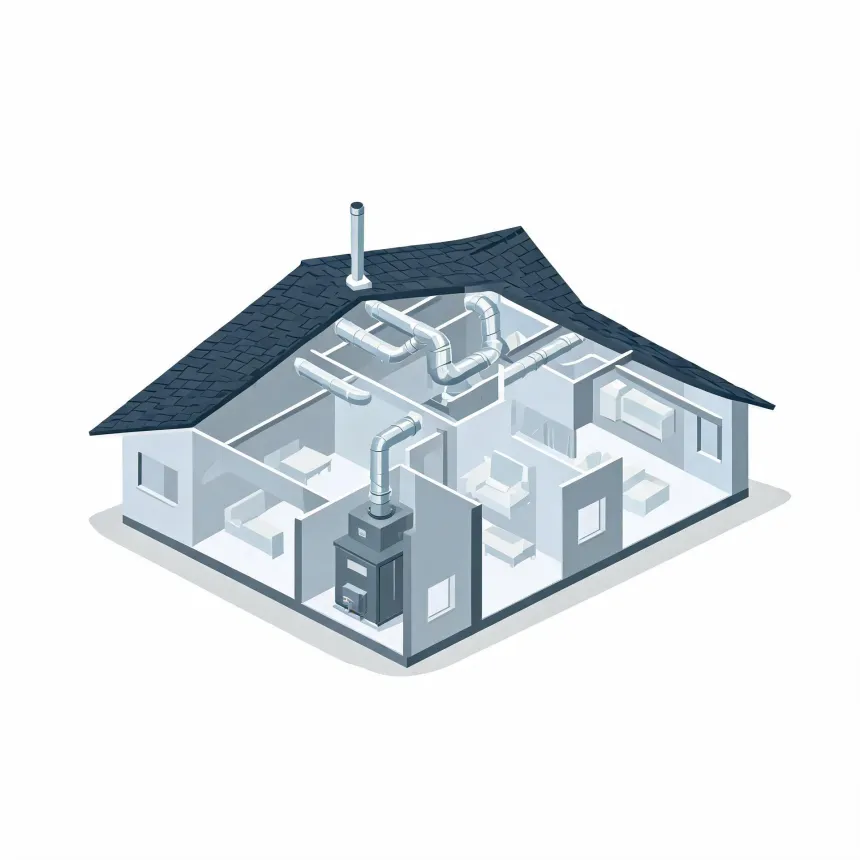
Isometric cutaway illustration of a single-story house showing interior rooms with furniture, a metal ductwork network, and a furnace unit connected to a vertical flue through the dark shingled roof.
Your furnace works hardest from December through February.

NOAA nClimDiv, 1991–2020 normals

Half the homes in Plaquemines Parish were built in 1997 or later.

A furnace that came with a newer house like that usually has years left in it, which makes repair the right call.

Belle Chasse weather doesn't single out your furnace

33 severe weather events from 2015 to 2024
49% of homes statewide lost power a day or more in 2024
8 damaging wind events from 2015 to 2024
Belle Chasse weather doesn't single out your furnaceHeat runs December through February here, so November is when a weak furnace gets found out.

If your furnace came with the house and the house is newer, check the rating plate for the model and serial before you call anyone. That tells a contractor what it's actually logged, not just how old the house is. A furnace with years left in it is worth having parts sourced for, and a model still in production is easier to get parts for than one that's been discontinued for decades. Mobile homes make up close to three in ten houses here, and a furnace in one runs on different ductwork and clearances than a furnace in a slab house, so mention that upfront when you call.

Three months of heat a year means this furnace is probably worth fixing

Three months of heat a year is a light load, and a furnace that only works December through February usually has plenty left in it. A furnace acting up now is more likely showing its age, or something that got missed, than wearing out from overwork. That's worth a look before the next cold snap.

Find a contractor
A man in a cap, dark shirt and tan pants, seen from behind carrying a canvas bag, climbs wooden porch steps toward a blue front door beside a potted evergreen.
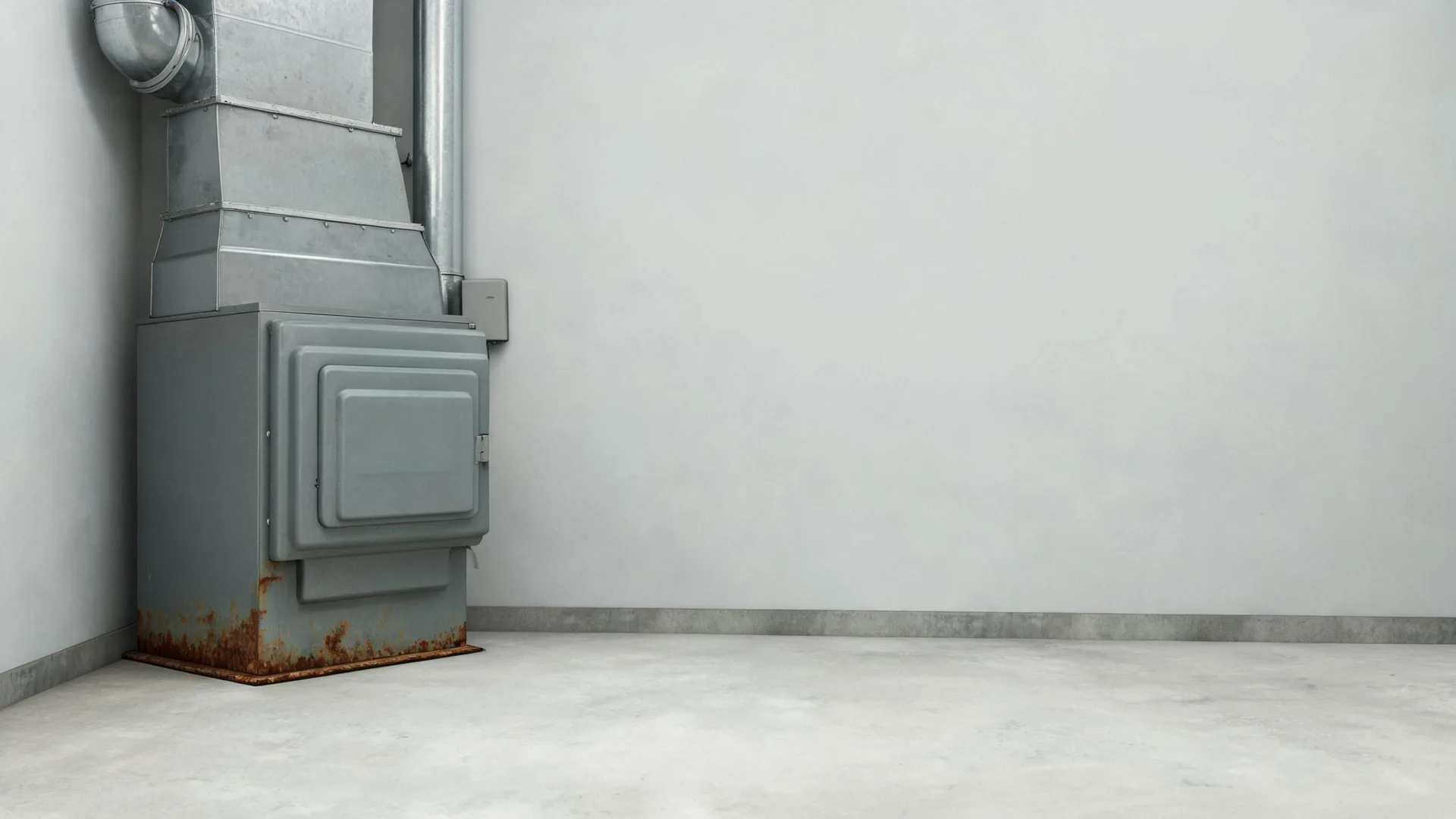
A gray residential gas furnace installed in an unfinished basement, surrounded by ductwork, a metal flue pipe, and a gas supply line.

A diagnosis is a sequence, not a guess

A diagnostic visit starts before any panel comes off. A tech asks what the furnace was doing, what it sounded like, whether it quit all at once or got worse over a few days. That history narrows things down faster than poking around blind. From there it follows a set order. Check the thermostat call first. Check that power and gas are both reaching the unit. Pull the panel and watch the furnace try to fire. Watching the ignition sequence happen live tells a tech more than any single test, because a furnace that fails the same way every time is pointing right at the part responsible. Only after that does the multimeter or the manometer come out, to confirm what the symptoms already suggested rather than to go fishing.

What you can check safely

Turn the thermostat to heat and set it a few degrees above room temperature, then listen for the furnace to respond. Check that the filter isn't gray and packed with dust, and swap it if it is. Look at the switch on the furnace itself, the one that looks like a light switch on the side of the unit, and make sure nothing bumped it off. If the furnace has a standing pilot, check whether the small flame is still lit. Check the breaker for the furnace at the electrical panel, since a tripped breaker shuts the whole system down without any other warning.
What to leave alone

Don't take the burner compartment apart or reach into the heat exchanger area. Don't try to relight a pilot that keeps going out, since a pilot that won't hold usually means a failing thermocouple or a draft problem that needs a contractor to run down. If you smell gas, don't flip switches or light anything, leave the house and call the gas company from outside. A furnace that trips its breaker more than once needs a technician, not a second reset.

A furnace usually tells you something is wrong before it quits outright. The flame should burn steady and blue, so a yellow or flickering flame means the burner isn't getting the right air mixture and needs a look. Listen for a boom at startup rather than a soft whump, since a delayed ignition lets gas build up before it catches, and that knock is hard on the heat exchanger. Pay attention to a burning or metallic smell that lingers past the first few minutes, since that's different from the dust burning off a furnace that's been idle. Rooms heating unevenly, or air coming out lukewarm instead of hot, often points to a blower that's struggling or a restriction somewhere in the system. Any of these is worth a call before the furnace stops responding altogether.

Repair versus replacement usually comes down to what actually failed, not just that something did. A cracked heat exchanger is worth replacing the furnace over. That part isn't meant to be swapped on its own, and a cracked one is a safety problem, not just a performance one. An igniter, a flame sensor, a pressure switch, or a draft inducer motor are a different story. Those fail on their own in furnaces that are otherwise sound, and swapping one is a contained job that brings the furnace back to normal. The gas valve and the control board sit in between. Either can be replaced, but it's worth asking whether the furnace has needed other repairs recently before paying for another one. A furnace that's only ever needed this kind of part by part fix usually keeps earning those fixes for years.