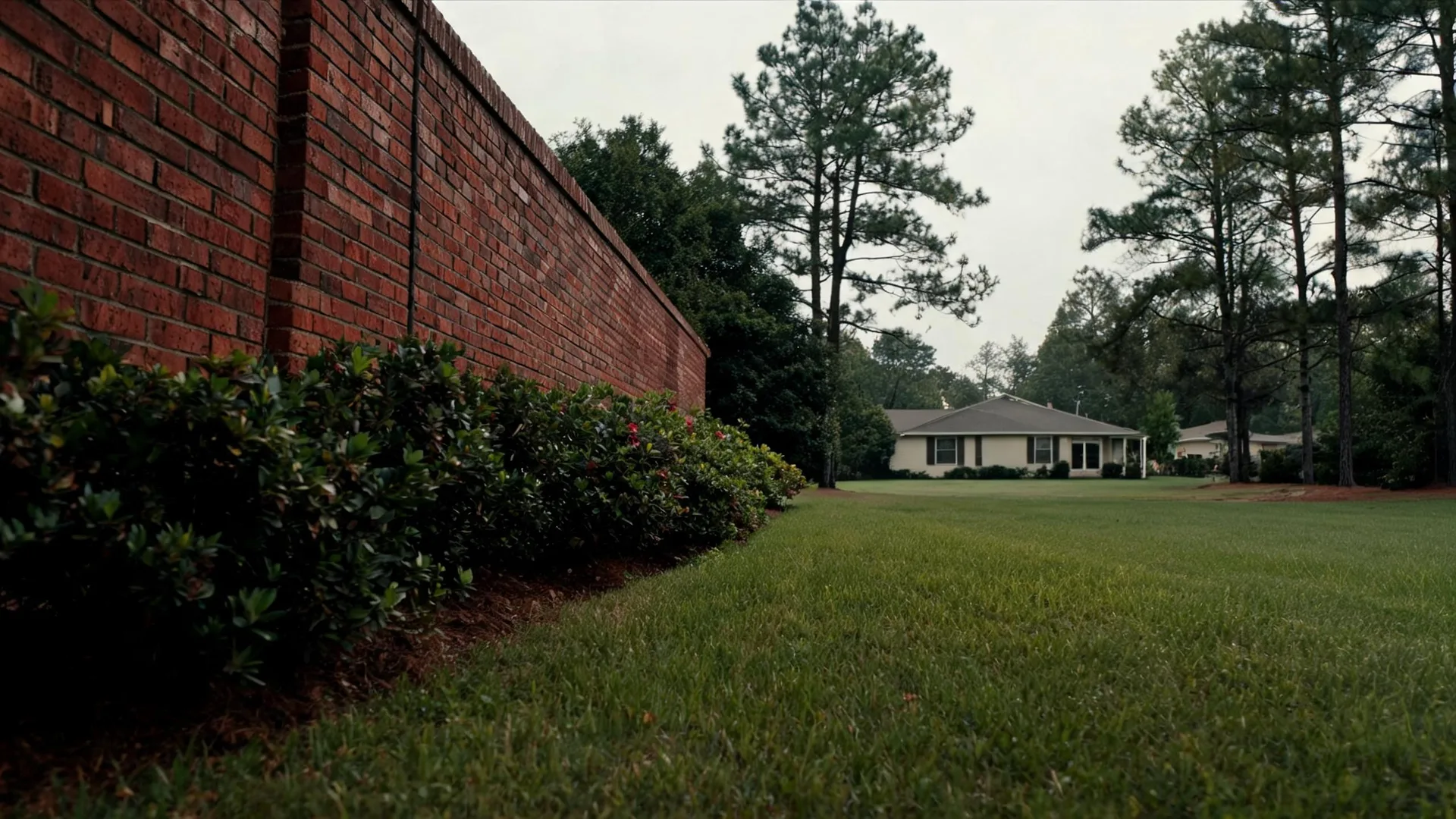




A tall red brick wall with a row of shrubs runs along the left side of a mown lawn, with a single-story light-colored house and tall pine trees in the background under an overcast sky.

Furnace Repair in Slidell, LA

Tell us about the job

Takes about a minute. No obligation.

RepairFurnace or heatingSt. Tammany Parish, LA
Step 1 of 2

What ZIP code is the job in?

St. Tammany Parish logged 146 severe weather events between 2015 and 2024, most of it wind. Hail and tornadoes came through more than once in that stretch too. None of that lands on a furnace directly, but it lands on the outdoor unit tied to it, and a dented cabinet or a knocked-loose connection doesn't always stop the system from running. It just stops it from running right. If a storm has come through since the furnace last worked the way it should, that's worth having someone look at, even if it still lights and still blows warm.

5 months
November through March, your furnace is on duty
43°F
the average winter night it heats against
Isometric cutaway illustration of a house with a shingled gable roof, showing a gray furnace unit connected to overhead ductwork and a chimney flue, with simplified furniture in the rooms below.
Your furnace works hardest from December through February.

NOAA nClimDiv, 1991–2020 normals

Half the homes in St. Tammany Parish were built in 1995 or later.

A furnace that age still has years in it, so a repair call makes more sense than a replacement quote.

Five months of light duty a year, most winters above freezing

Heat runs November through March
Winter nights average 43°F
Climate zone 2A

Furnace here doesn't really get going until November. October is when it's worth having someone check yours over, before the first cold snap asks it to do something it hasn't done since March. That first run is when a weak part usually shows itself. An igniter that was already cracked, a flame sensor coated in just enough residue, a blower motor bearing that was starting to go. None of those fail on a mild day. They fail when the furnace has to actually hold a house at temperature for hours, which here starts in November and runs through March. If yours struggled at the end of last winter, it'll struggle again at the start of this one, only now you know to get ahead of it.

Repair it

If your system came with a newer house, it likely has plenty of life left. Repair is usually the right call.

Find a contractor
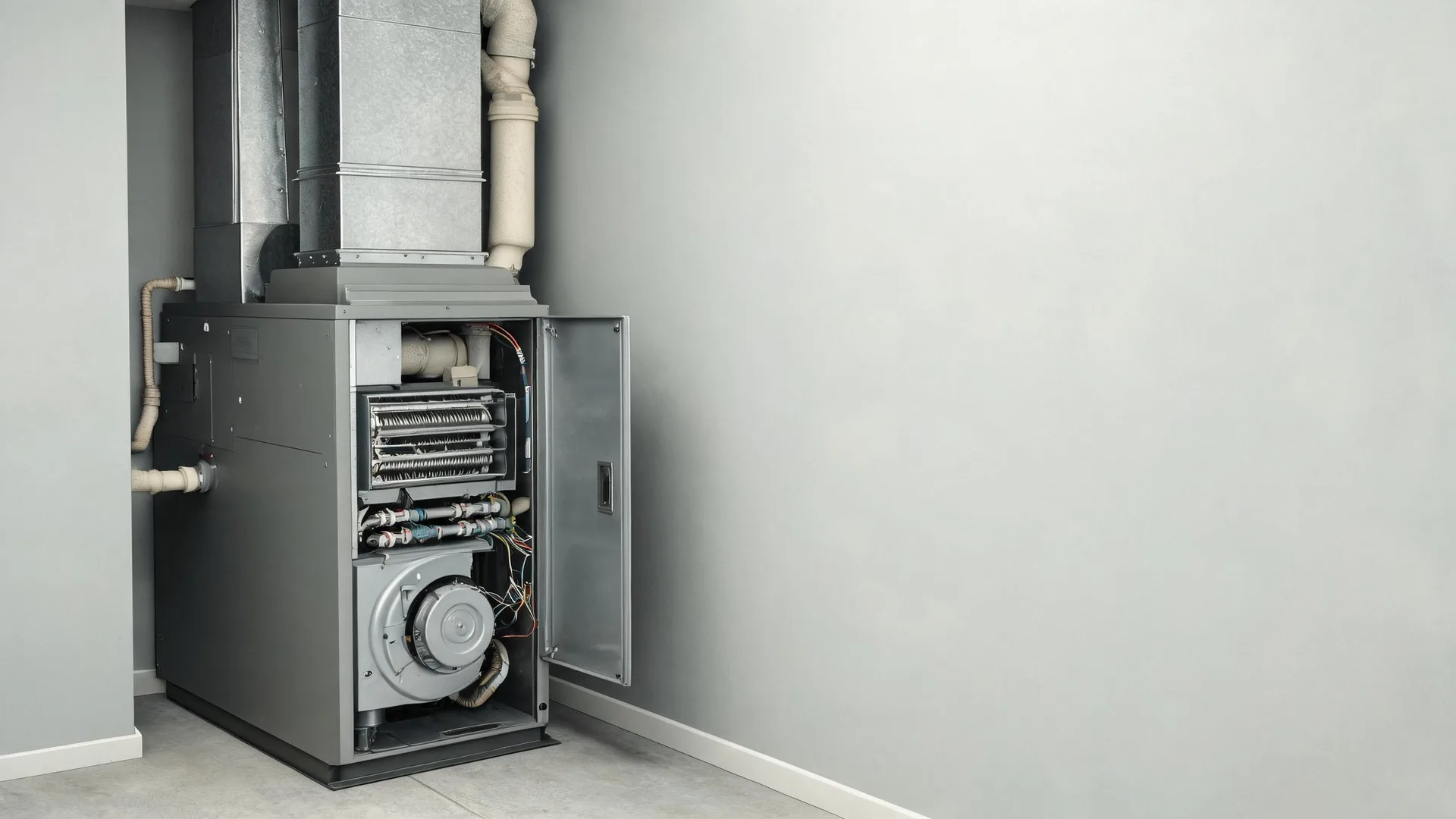
A gray gas furnace with attached ductwork and piping installed in an unfinished concrete basement.

Light use most of the year, so repair is the way to bet

Five months of work a year leaves a lot of winter with the furnace off. That's less time for a part to wear down and more time for a small problem to just sit there instead of getting worse. If yours is acting up, the issue is probably something specific, not the system giving out from age. Worth having someone diagnose it rather than planning around a replacement.

Most calls trace back to one part

The igniter, the flame sensor and the blower motor account for most furnace failures. An igniter cracks with age and stops glowing hot enough to light the gas. A flame sensor gets a film of residue on it and can't tell the control board a flame is present, so the system shuts itself down as a safety measure. A blower motor wears at the bearing until it struggles to turn, runs hot, or quits. These are wear parts. They fail on their own schedule, not because anything else in the system is going bad.
One failure can look like another

A furnace that won't light might need a new igniter, or it might be getting bad readings from a dirty flame sensor, or it might have a closed gas valve or a drainage issue tripping a safety switch. A furnace that lights and then shuts off partway through a cycle is usually a safety control doing its job, not malfunctioning. Figuring out which part is actually at fault takes testing them one at a time. Guessing from the symptom alone usually gets the wrong part replaced first.

A furnace usually gives some warning before it quits outright. Short cycling is the clearest one, where it fires up, runs briefly, and shuts off before the house has warmed at all. A burner flame that flickers yellow instead of burning a steady blue is also worth attention. So is a burning or metallic smell right after startup, though that one often clears on its own as dust burns off a heat exchanger that has sat unused. Banging or rattling when the blower kicks on is different from a normal hum, and it won't go away on its own. If the air coming out feels cooler than it should, or some rooms heat while others stay cold, the furnace is running but not doing its job. None of this means the system is finished. It means something specific inside it needs attention before it fails for good.

A diagnostic call starts with the thermostat and works inward. The tech checks what the system is actually doing, whether it's firing and quitting, not firing at all, or running but not heating, since that already narrows things down before a panel comes off. Next comes the burner flame itself, looked at directly, because the color and shape of it says something a gauge can't. After that the igniter and flame sensor get tested with a meter rather than just eyeballed, since a part can look fine and still be failing. Wiring and connections get a check too, especially anything near the blower compartment where vibration works things loose over time. If the furnace is shutting itself off mid-cycle, the safety switches get tested last, since those are doing exactly what they're built to do and the question is why they're tripping. The part that's actually failing gets replaced. The rest gets left alone.