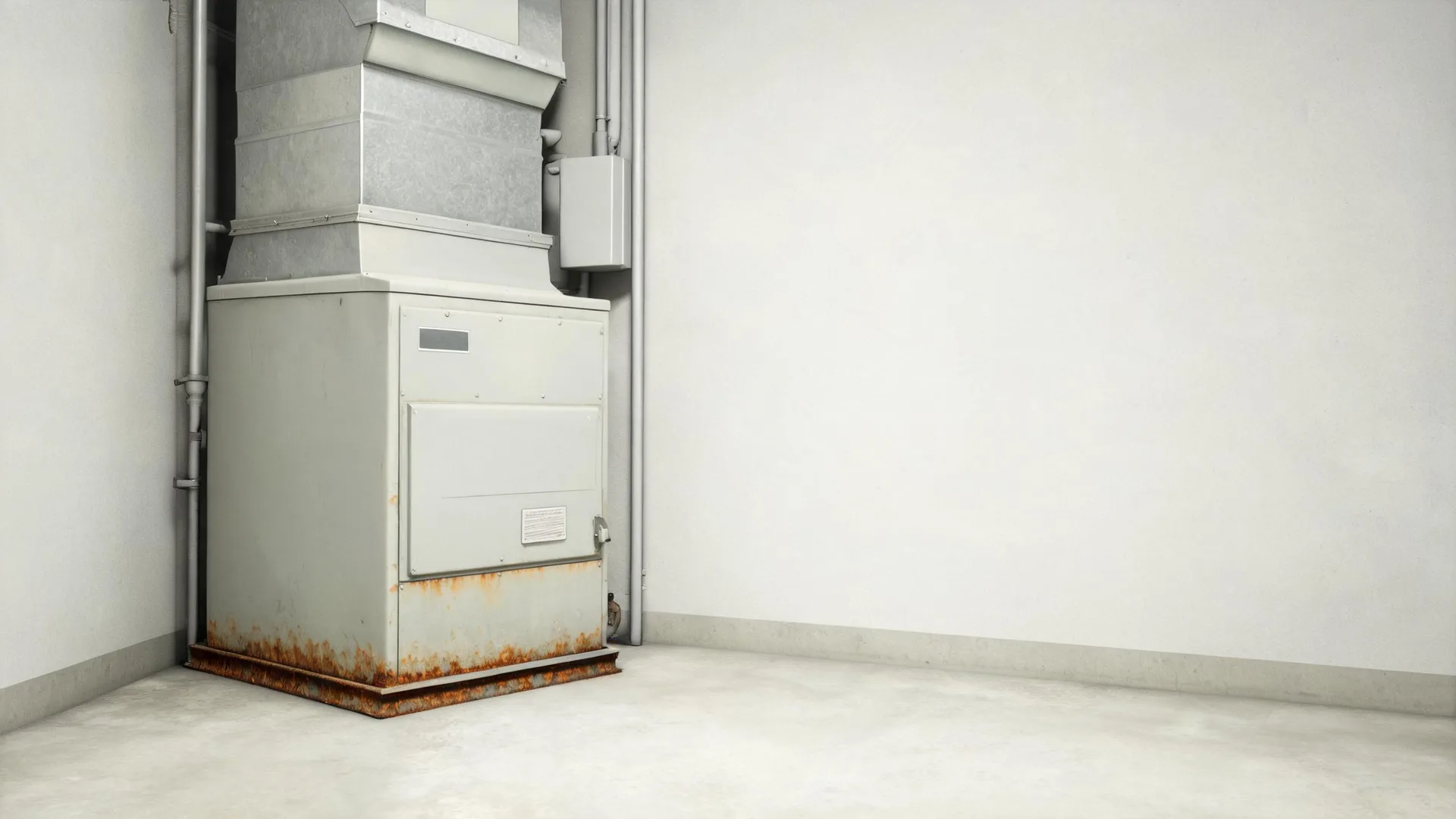
An empty unfinished basement containing a forced-air furnace with overhead ductwork, exposed ceiling joists, and a single hanging light bulb.

Furnace Repair in Baton Rouge, LA

Tell us about the job

Takes about a minute. No obligation.

RepairFurnace or heatingEast Baton Rouge Parish, LA
Step 1 of 2

What ZIP code is the job in?

The igniter wears out before anything else

A furnace cycles its igniter on and off every time it starts, and that part is the first thing to fail. A hot surface igniter gets brittle with age and eventually cracks. A furnace that tries to start but never lights is usually telling you the igniter is done.

A dirty flame sensor mimics a bigger problem

The flame sensor checks that gas is actually burning, and soot builds up on it over time. Once it's coated, it can't sense the flame and the furnace shuts itself down as a safety measure. It looks like a major fault, but it's often just a dirty sensor needing a clean or swap.

5 months
November through March, your furnace is on duty
42°F
the average winter night it heats against
2 winter storms
in ten years, the nights a failure hurts most
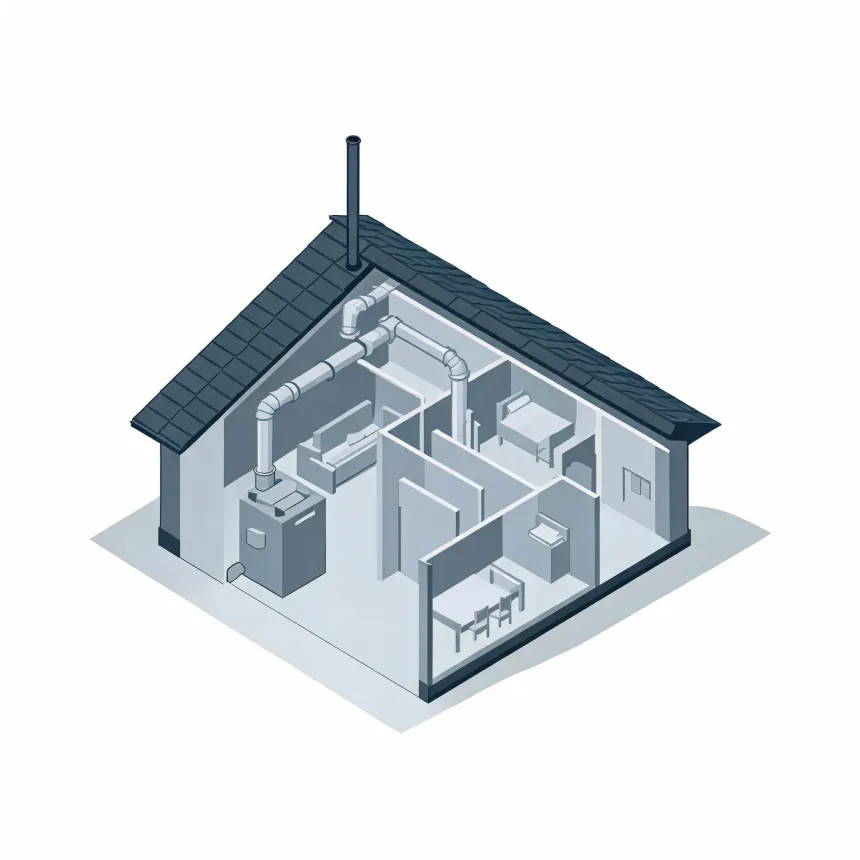
Isometric cutaway illustration of a small single-story house showing interior rooms with furniture, a furnace unit with attached ductwork running to a roof flue, and a dark shingled roof.
Your furnace works hardest from December through February.

NOAA nClimDiv, 1991–2020 normals

Half the homes in East Baton Rouge Parish were built in 1984 or later.

A furnace that age or younger usually has a fixable problem, not a dying one.

October is when to catch a weak furnace, before November puts it to work

Heat runs November through March
Winter nights average 42°F
Climate zone 2A
A light workload for your furnaceFurnace here runs about five months a year, and winter lows average 42°F.

Age is one part of the decision. How the furnace has been failing is the other. A unit that trips its limit switch and runs fine after usually has a stuck blower or a dirty filter behind it, and either is a cheap fix. A unit that keeps coming back for different reasons, a new part each time, is telling you something the single repair isn't. A cracked heat exchanger or a failed control board is where the conversation usually ends, since either one costs close to a new furnace on its own. Short of that, most problems are worth fixing and worth a second opinion before anyone talks about replacing the whole system.

A furnace this age is worth fixing

Get the repair done and the furnace keeps going. If yours came with a house built in 1984 or later, that's most of what you need to know before anyone brings up replacement.

Find a contractor
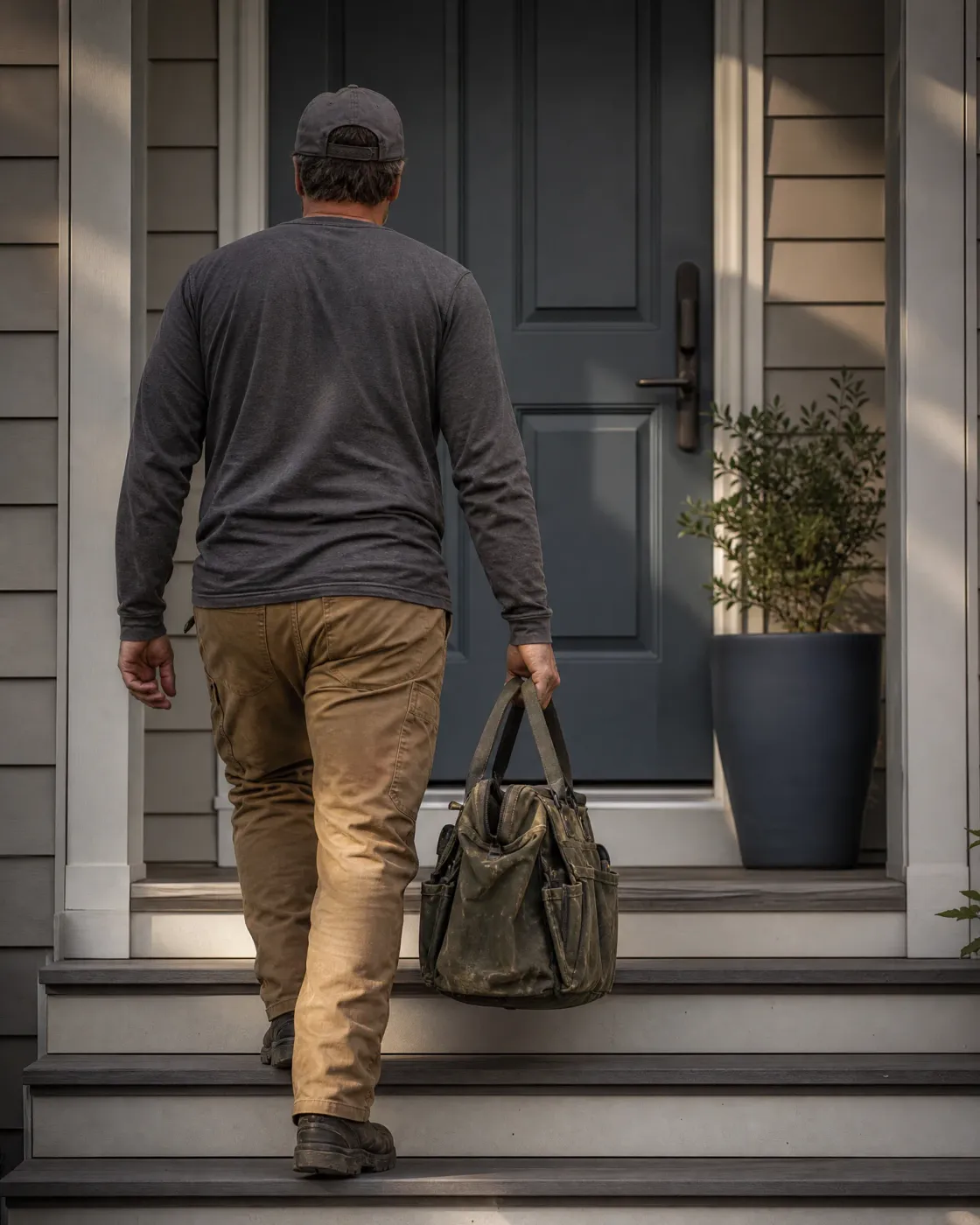
A man in a cap, gray long-sleeve shirt and tan work pants carries a worn canvas tool bag up porch steps toward a dark gray front door beside a potted shrub.
A gray high-efficiency gas furnace installed in an unfinished basement, surrounded by gas lines, a condensate drain, and sheet-metal ductwork.

What to check before anyone comes out

A furnace will tell you something is wrong before it quits outright, and most of what it's telling you can be checked without a panel coming off. Look at the flame through the viewing port. It should burn steady and mostly blue. Yellow or flickering flame means something's off with combustion and it's worth having looked at. Listen for the furnace trying to start more than once before it catches, or shutting off before the room's actually warm. Check the filter. Hold it up to a light. If you can't see through it, it's choking the airflow the furnace needs to run right. Walk past the vents and feel whether air is actually moving and warm. Check for a burning smell that lingers past the first few minutes of a cold start. None of this tells you what's broken, but it tells a tech where to look first, and that's worth having ready when they ask.

A cracked heat exchanger gets worse every time it fires

A heat exchanger that's already cracked flexes more each time the furnace heats up and cools down. Running it longer doesn't just risk carbon monoxide leaking into the house, it widens the crack until the exchanger has to be replaced instead of patched.

A failing blower motor overheats the parts around it

When a blower motor struggles to spin, it draws more current and runs hotter than it should. Left alone, that heat can take out the control board next to it, turning a motor replacement into a bigger repair than it needed to be.

A furnace that's short-cycling, turning on and off in quick bursts before it's warmed the house, is usually choking on restricted airflow. A dirty filter is the first thing to check, since it makes the blower work against itself. Banging or popping when the furnace first fires is often the ductwork expanding as heat hits it, but a loud bang right at startup can also mean gas is building up before it catches, which is worth having looked at sooner rather than later. A furnace blowing air that never gets warm enough points to the burners not lighting fully or a thermostat that's lost its calibration. Any burning smell that doesn't fade after the first few minutes of a new season isn't normal and shouldn't be ignored.

A diagnostic visit starts before any panel comes off. A tech asks what the furnace is doing, when it started, and whether it's one symptom or several, since that points to where the problem actually is. Next comes a look at the flame itself, the igniter, and the flame sensor, because those wear out more than anything else and show it plainly once someone looks. The blower gets checked for how freely it spins and whether the motor is pulling more current than it should. Gas pressure and burner flame get looked at too, since a weak or uneven flame means the furnace isn't heating the way it was built to. The heat exchanger gets inspected last, because what's found there decides whether the rest of the visit is about a repair or about something bigger.