An unfinished basement interior featuring a large metal furnace unit, exposed ceiling joists, concrete walls, and scattered boxes and cables on the floor.

Furnace Repair in Alexandria, LA

Tell us about the job

Takes about a minute. No obligation.

RepairFurnace or heatingRapides Parish, LA
Step 1 of 2

What ZIP code is the job in?

Check the thermostat and the switch first

Make sure the thermostat is set to heat and the temperature is set above room temperature. Check the furnace switch, it looks like a light switch near the unit, and make sure it's on. Look at the breaker too. These sound obvious, but they're the reason for a lot of no-heat calls.

What you find changes what the visit looks like

A furnace that runs but blows cool air is a different problem than one that won't come on at all, or one that starts and stops on its own. A tech will ask what you saw before they got there. Whether you heard clicking, smelled anything, or saw a light flashing on the unit tells them where to start looking.

5 months
November through March, your furnace is on duty
41°F
the average winter night it heats against
1 winter storms
in ten years, the nights a failure hurts most
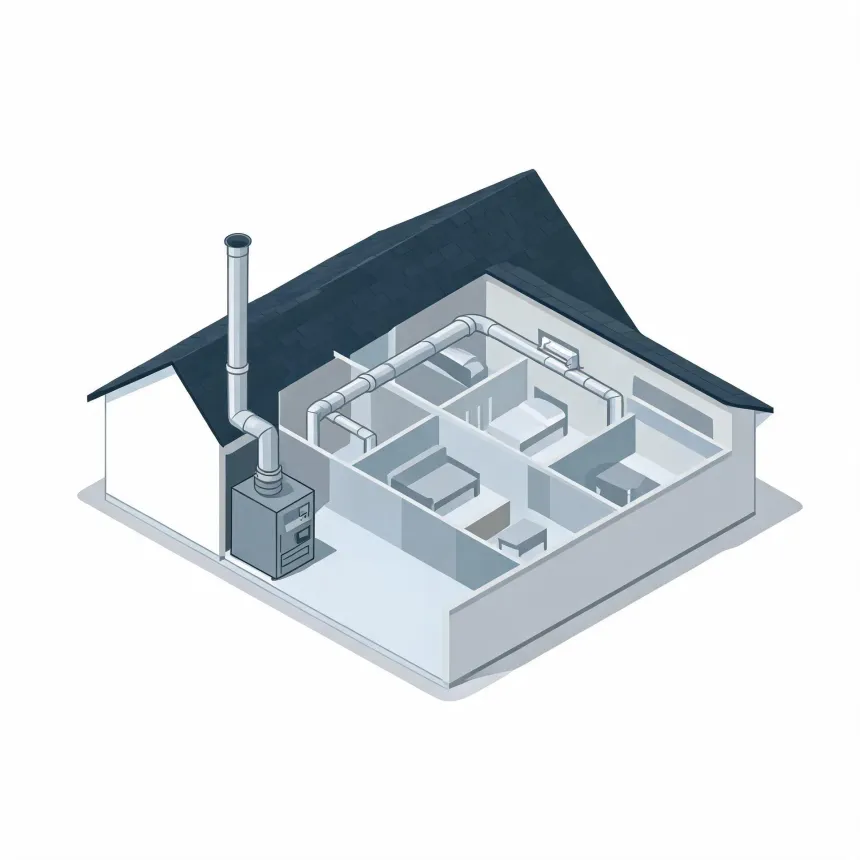
Isometric cutaway illustration of a single-story house with a dark shingled roof, showing interior rooms with beds and furniture, overhead ductwork, and a gray furnace with a tall flue pipe at the exterior wall.
Your furnace works hardest from December through February.

NOAA nClimDiv, 1991–2020 normals

Rapides Parish furnaces fail for the same reasons they fail anywhere else.

A furnace that won't light or blows cold almost always comes down to the igniter, the flame sensor, or a thermostat setting, no matter whose house it's in.

Five months of work a year is not a hard life for a furnace

Heat runs November through March
Winter nights average 41°F
Climate zone 2A

Furnaces here run November through March, so October is when any weak part is still sitting idle. The first cold snap in November is what tests it. An igniter that was already cracked or a flame sensor coated with residue usually waits until that first real call for heat to fail. If your furnace struggled at the end of last season, that same problem is still there in October. Getting it looked at before November means a tech can fix it on a slow day instead of a cold one.

Get the usual fix

Nothing about this area is especially hard on it. It's most likely the usual problem with the usual fix.

Find a contractor
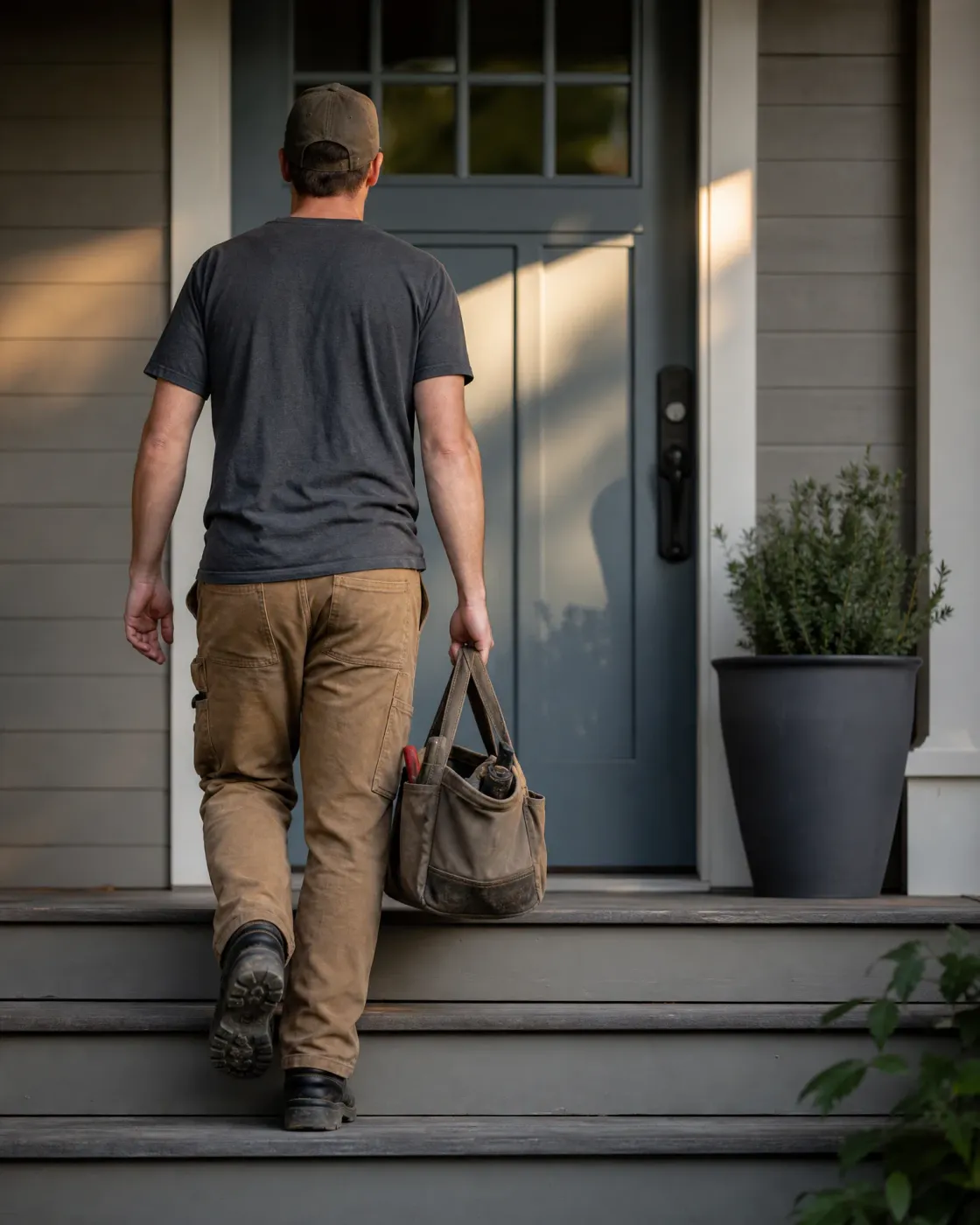
A man in a cap, dark T-shirt and tan work pants carries a canvas tool bag up wooden porch steps toward a gray front door, with a potted shrub beside the entry.
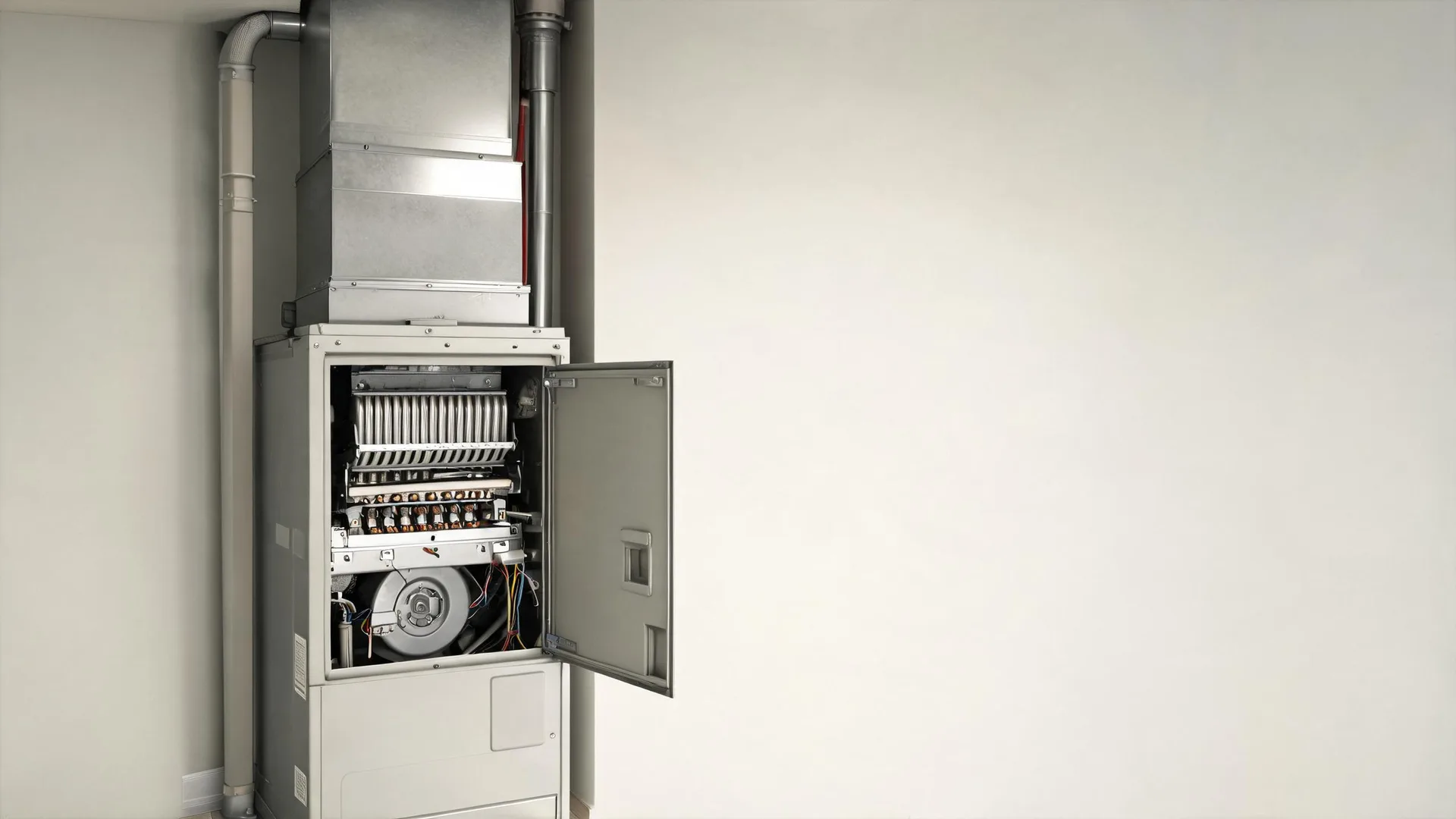
A gray residential gas furnace installed in an unfinished basement, surrounded by ductwork, a metal flue pipe, and a gas supply line.

A light enough load that repair usually makes sense

Five months of work and overnight lows averaging 41°F through December, January and February. That's a mild load compared to what furnaces handle in colder states, and it's why age and neglect explain most failures here, not a worn-out machine. If yours ran fine last March, the parts inside it are very likely still good. That makes most repairs worth doing rather than a sign to start pricing a replacement.

What you hear is often the first clue

A furnace banging when it starts usually means the burners are lighting late and igniting a pocket of built-up gas instead of a clean flame. A grinding or squealing sound points to the blower motor bearings wearing out. A clicking that repeats without the burners ever catching is the igniter trying and failing. None of these get quieter on their own.

Short cycling wastes the trip if you wait on it

A furnace that lights, runs briefly, then shuts off and tries again is protecting itself from something, usually a flame sensor that can't confirm it's burning or a blower that isn't moving enough air. Waiting it out just means more failed attempts in a row. Calling when you first notice the pattern is easier to diagnose than calling after it's locked out for good.

Most furnace failures trace back to one of a handful of parts, and they fail in the same order every time. The igniter is usually first. It heats up and cools down every cycle, and that repeated stress eventually cracks it or wears it out, the same way a light bulb filament gives out after enough on off cycles. The flame sensor goes next, coated slowly by the same combustion it's there to detect, until it can't sense a flame that's really burning. Blower motors wear through their bearings over years of running, which shows up as a rattle or a squeal before it shows up as no air at all. A thermostat that's lost calibration or lost power can mimic all of these, which is why a tech checks it before touching the furnace itself. None of this is particular to any one furnace. It's what happens to a gas furnace over enough seasons of normal use.

A diagnostic call starts before the panel ever comes off. A tech wants to know what the furnace was doing right before it quit, whether it ran at all, whether it tried and failed, or never attempted to start. Then they check power and gas first, because there's no point chasing a flame sensor if the breaker is off or the gas valve is closed. With power and gas confirmed, they'll run a cycle and watch it, timing how long it takes to ignite and whether it holds a flame or drops out. That's usually enough to point at the igniter, the flame sensor, or the control board without taking anything apart. Only after that does the real repair start, because guessing at a part before watching the furnace fail just wastes a trip.