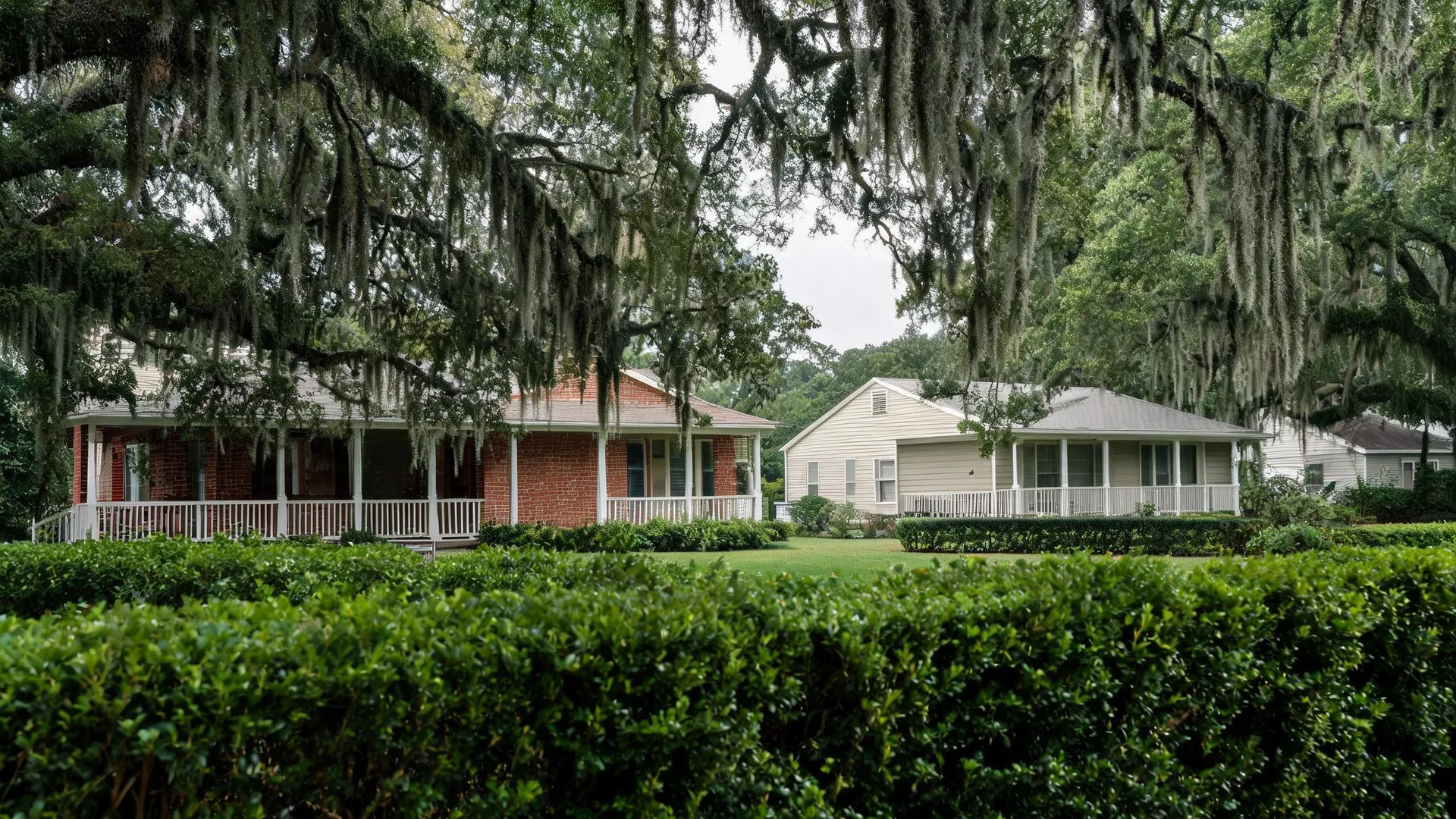




A single-story brick house with a white-columned wraparound porch and a neighboring light-colored siding house, seen across a lawn behind a trimmed hedge, under oak branches draped with Spanish moss.

Furnace Repair in Lafayette, LA

Tell us about the job

Takes about a minute. No obligation.

RepairFurnace or heatingLafayette Parish, LA
Step 1 of 2

What ZIP code is the job in?

A furnace in Lafayette Parish only has to run about five months a year, November through March. Overnight lows in the dead of winter average 44 degrees, nowhere near the cold a furnace has to fight up north. Less runtime means less wear on the igniter, the blower motor, the heat exchanger. So when a furnace here starts acting up, it's rarely because the machine was worked to death. More often it's age, or something that got skipped, and that kind of problem is usually worth fixing rather than replacing.

5 months
November through March, your furnace is on duty
44°F
the average winter night it heats against
2 winter storms
in ten years, the nights a failure hurts most
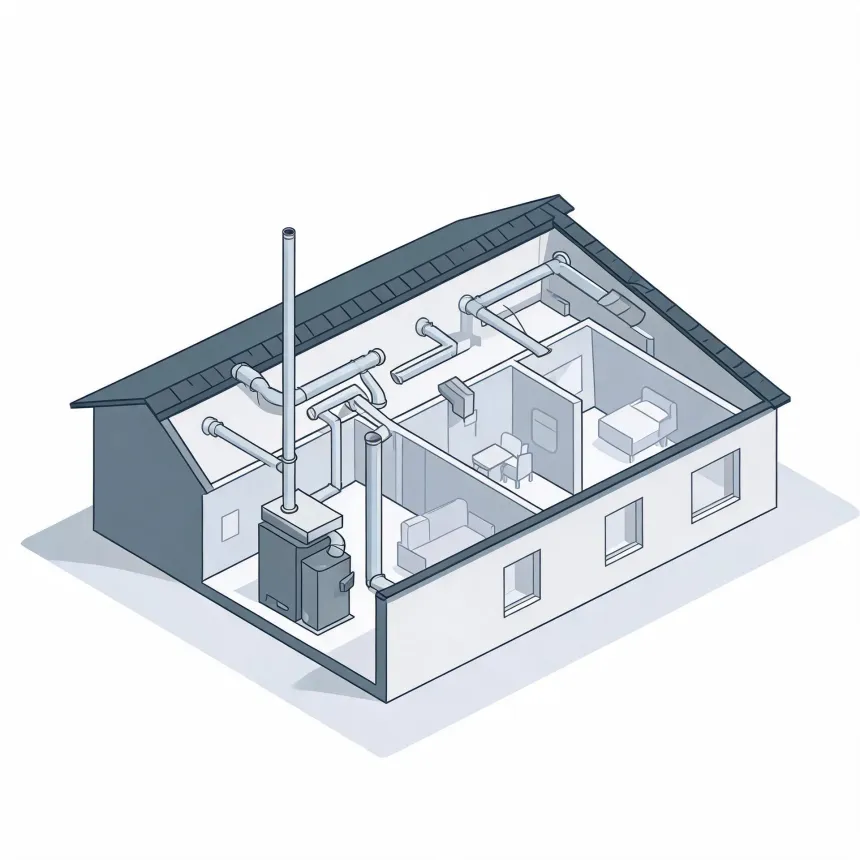
Isometric line illustration of a single-story house cutaway showing interior rooms with furniture, ductwork or piping running along the ceiling, and a boxy furnace unit with a tall vertical flue pipe.
Your furnace works hardest from December through February.

NOAA nClimDiv, 1991–2020 normals

Half the homes in Lafayette Parish were built in 1988 or later.

A furnace that came with a newer house still has years left in it, and that's a furnace worth repairing.

Lafayette gets hit hard, and a furnace sitting outside wiring or an outdoor pad isn't immune to it

68 severe weather events from 2015 to 2024
49% of homes statewide lost power a day or more in 2024
39 damaging wind events from 2015 to 2024

October is worth paying attention to. That's the month before the furnace switches on for the season, and it's the easiest time to catch a problem before it becomes a no-heat call in November. A furnace that sat idle since March doesn't always start clean. An igniter that was already going weak often fails the first time it's asked to light, not months into the season. Same with a blower motor that was starting to bind. If something was going to act up, the first real cold snap is when it tends to show itself.

A newer furnace is worth repairing

If your furnace came with the house, get the repair looked at before you plan on replacing anything. A furnace built into a newer home usually still has the years left to make fixing it the right call.

Find a contractor
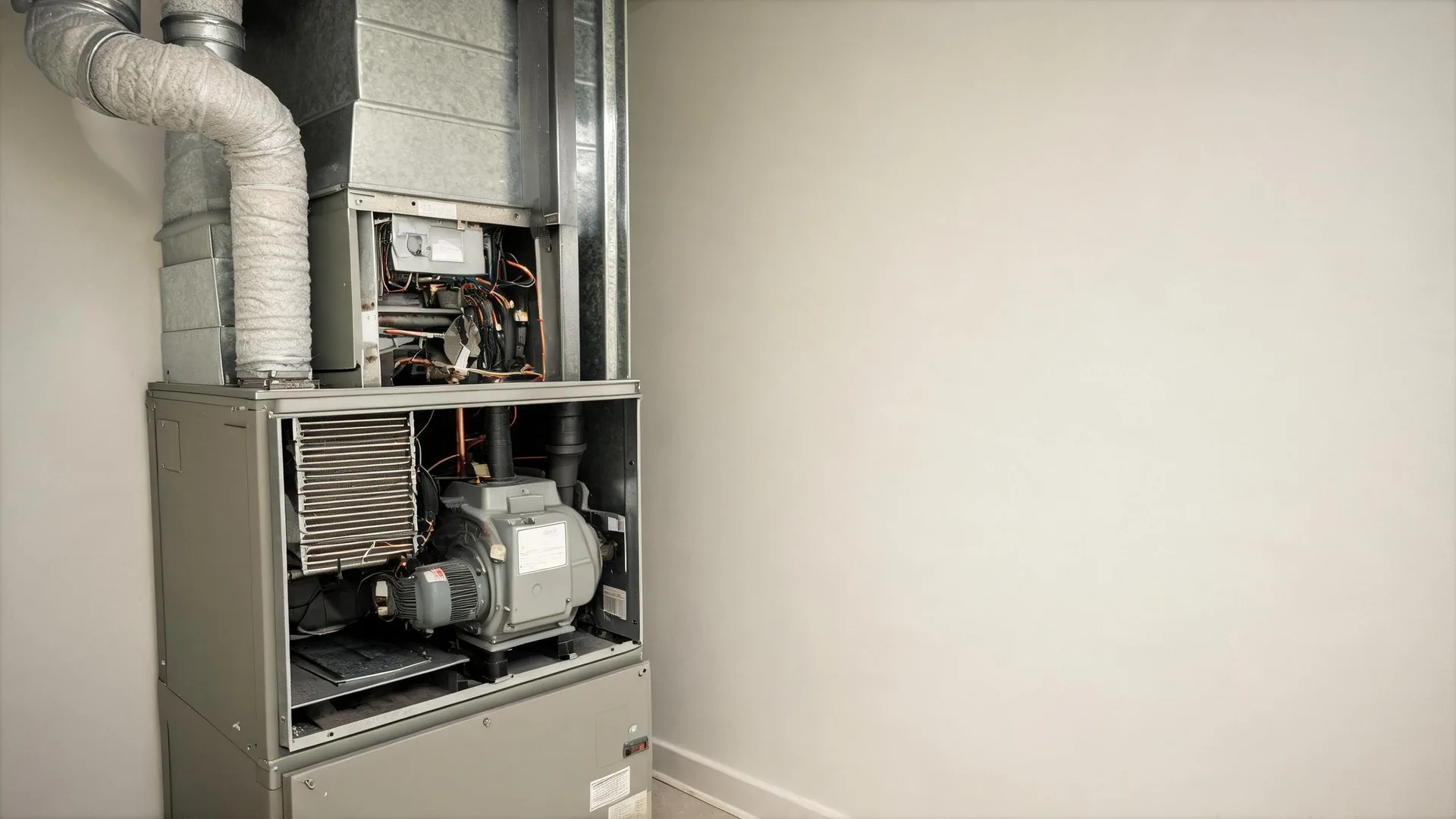
A gray residential gas furnace installed in an unfinished basement, connected to sheet-metal ductwork and PVC pipes.

A furnace here hasn't earned a replacement

Five months of heat a year doesn't put much wear on a furnace, which is exactly why a repair call here is usually a quick fix rather than a sign the unit is done. Get the igniter or the blower motor looked at before anyone tells you to replace the whole system.

What you can check yourself

Look at the thermostat first. Make sure it's set to heat and set above room temperature, and swap the batteries if it uses them. Check the breaker box for a tripped switch. Check the filter too. A filter packed with dust chokes airflow and can make a furnace shut itself off partway through a cycle. If the furnace has a reset button, usually red and on or near the blower compartment, pressing it once is fine. None of this takes tools or know-how.
What to leave alone

If the furnace trips its breaker more than once, stop resetting it and get someone out. The same goes for a burning or rotten egg smell, soot around the vents, or a furnace that clicks like it's trying to light and won't catch. Those point to a gas or electrical problem, and the fix is behind a panel a homeowner shouldn't open. Calling at that point isn't jumping the gun, it's what keeps a small problem from becoming a dangerous one.

A furnace that's struggling doesn't fail cleanly. It fails louder, in whatever way it was already failing. A cracked heat exchanger gets worse under heat and cooling each cycle, and the crack can widen. A blower motor that's starting to bind draws more current every time it fights to spin, and that's what burns a motor out early. An igniter already going weak gets asked to do the same job it's failing at, over and over, until it doesn't light at all. Even a dirty flame sensor, which just needs a wipe early on, can end up needing a full replacement once it's been ignored through enough cycles. None of this means shut the furnace off and wait out the cold. It means a problem caught early is a repair, and the same problem ignored through a cold snap can turn into a part that has to be replaced instead of cleaned or adjusted.

A diagnostic visit starts with questions. When the no-heat started, whether the furnace made any sound first, whether the breaker tripped. Then it's hands on the unit. The panel comes off, the igniter gets checked for a crack or a weak glow, the flame sensor gets pulled and looked at. A tech will run the furnace through a full cycle if it can start at all, watching how it ignites, whether the flame holds steady or sputters, and listening to the blower motor for strain. Pressure and amperage get tested on the parts that matter, not guessed at. By the end of it, the problem has a name, a part, and a reason it happened, not just a repair.