





Three white clapboard houses with wraparound porches glow with warm interior and landscape lighting beneath Spanish moss-draped oak trees at dusk.

Furnace Repair in Thibodaux, LA

Tell us about the job

Takes about a minute. No obligation.

RepairFurnace or heatingLafourche Parish, LA
Step 1 of 2

What ZIP code is the job in?

A furnace that's about to need a repair usually tells you before it quits outright. Short cycling is the big one. It fires up, runs a few minutes, shuts off, then starts again, and it never gets the house warm because it never runs long enough to. A clicking igniter that won't catch is another sign. You'll hear it try a few times before it gives up. Pay attention to the air coming out of the vents too. If it's blowing but it's not warm, or it smells like something is burning when it kicks on, that's not something to wait out. A furnace making a new noise, grinding, rattling, a boom when it starts, is worth a call before it strands you without heat.

4 months
November through February, your furnace is on duty
47°F
the average winter night it heats against
1 winter storms
in ten years, the nights a failure hurts most
Isometric cutaway illustration of a single-story house with a dark shingled roof, showing interior rooms with furniture and a furnace connected to ductwork and a flue pipe extending above the roof.
Your furnace works hardest from December through February.

NOAA nClimDiv, 1991–2020 normals

Furnaces here run November through February and sit unused the other months.

October is the month to get a furnace checked, before it has to start cold in November.

A parish of older homes, nothing unusual for a furnace

Half the homes here were built by 1982
Climate zone 2A
Heat runs November through February

Four months of heat a year is a short season for a furnace to earn its keep. Most winters here don't ask much of it either. Overnight lows average 47°F through December, January and February, nowhere near the temperatures that push a furnace to run hard. A furnace in Lafourche Parish spends most of the year sitting idle, and when it does run, it's rarely working against real cold. That matters when something goes wrong, because a furnace that hasn't been straining for years is usually sound underneath the problem. A new noise or a bad igniter is more likely a part worn out or a repair skipped than a system worked past what it can handle. That's usually a furnace worth fixing, not replacing.

Get it looked at early

Problems tend to show up in the first weeks of the season, when the load hits a part that was already weak.

Find a contractor
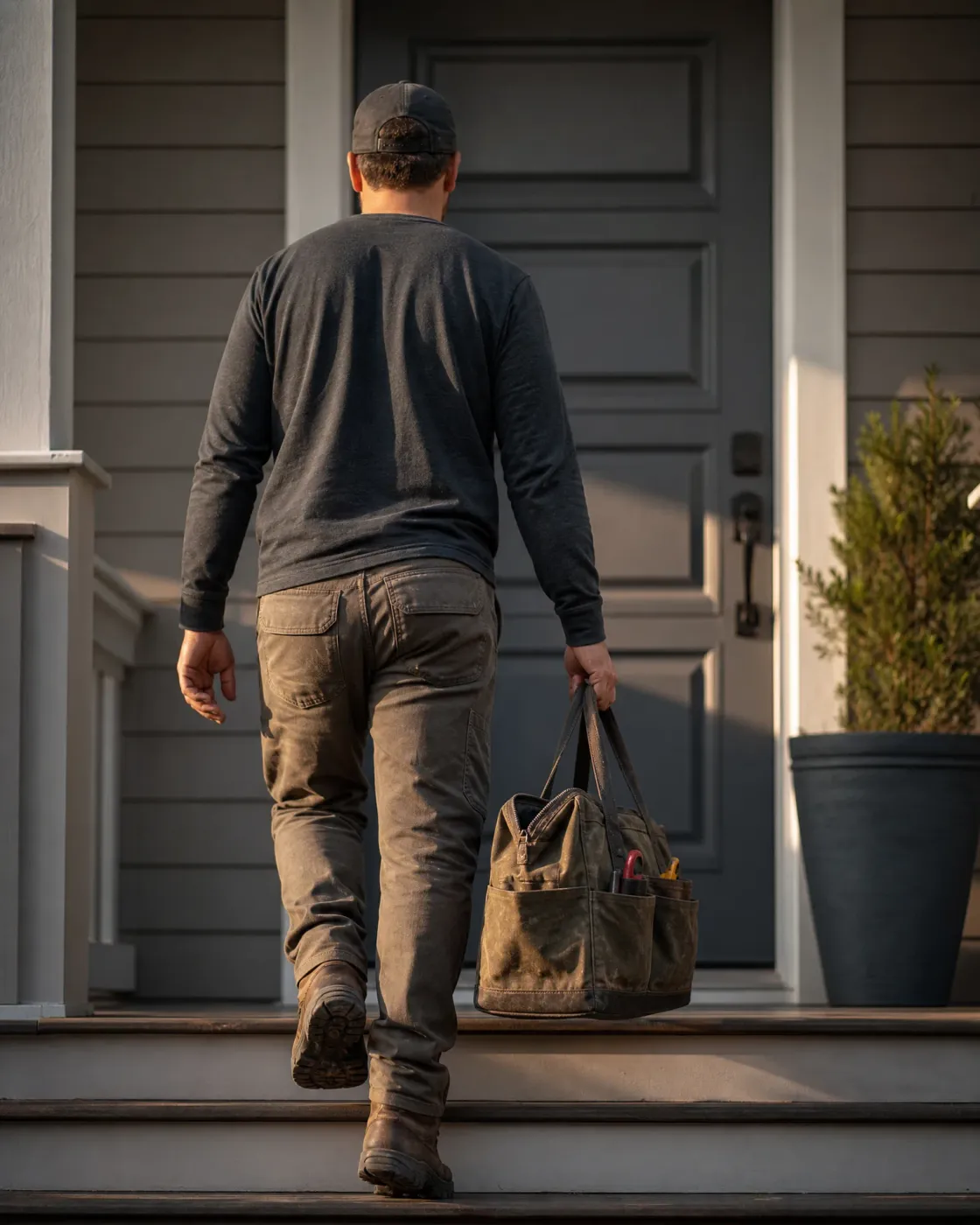
A man in a cap, long-sleeved shirt and work pants walks up porch steps toward a dark gray paneled front door, carrying a canvas tool bag, with a potted shrub to the right.
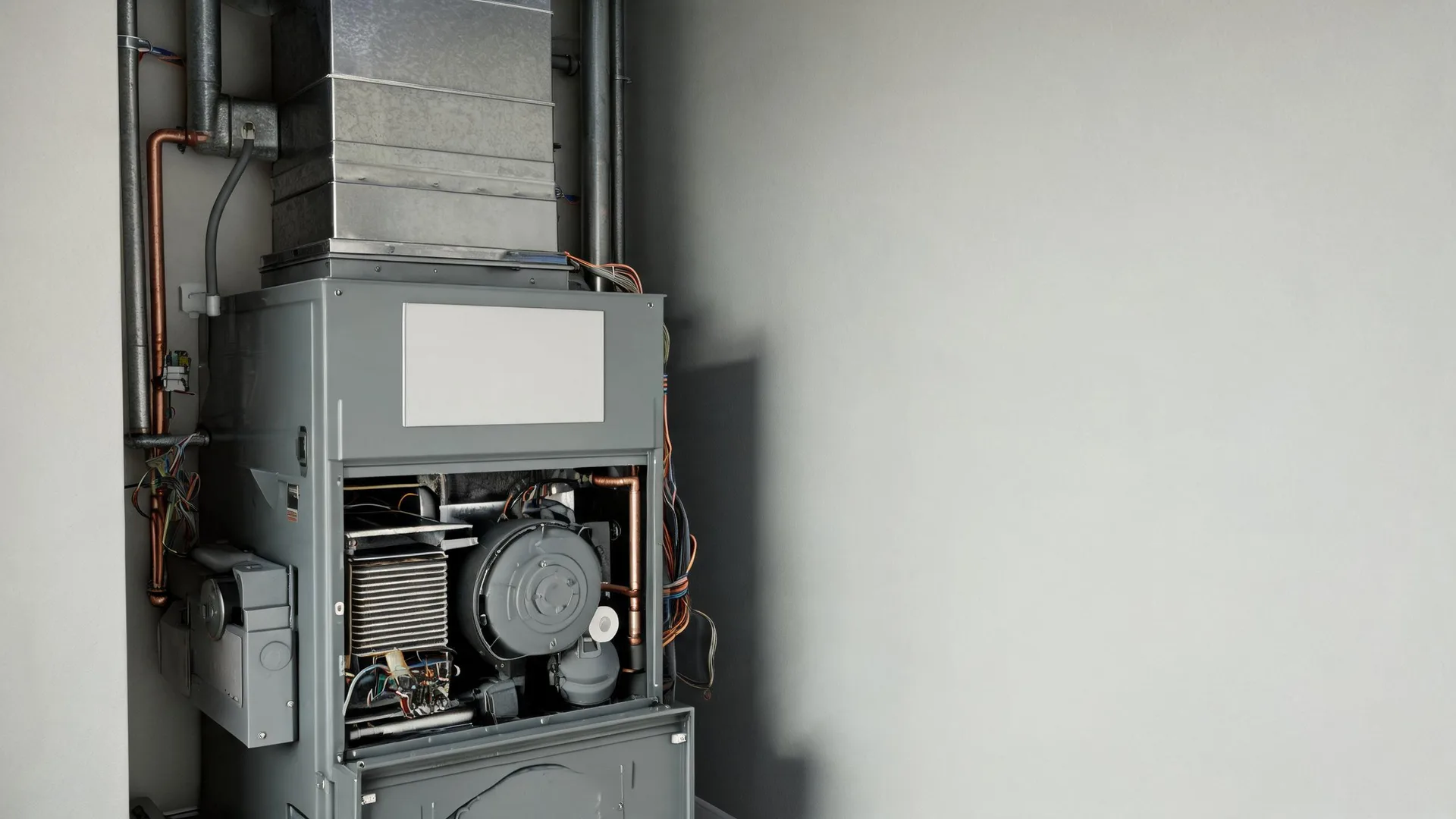
A gray gas furnace with attached ductwork and piping installed in an unfinished concrete basement.

What actually wears out

Most furnace failures trace back to a handful of parts, and the igniter is usually first. It's a thin strip that glows hot enough to light the gas, and that strip gets more brittle every time it heats up and cools down. Eventually it cracks and stops glowing at all. The flame sensor goes a different way. It coats over with a film after enough cycles, and once it's coated, it can't tell the control board a flame is actually there, so the board shuts the gas back off even though the furnace lit just fine. A clogged filter causes more damage than people expect too. Airflow backs up, the heat exchanger runs hotter than it should, and parts around it wear faster than they would otherwise. Blower motor bearings wear out from simple use, nothing dramatic, just years of spinning until they start to grind. None of this is tied to how hard a furnace works in a given winter. It's tied to how many times it's cycled on and off over its life, and every furnace rolls that count up the same way, one heat call at a time.

Check the filter first

Pull it out and hold it up to a light. If you can't see through it, air isn't getting through it either, and the furnace will struggle to heat the house even if everything else is working fine. A clogged filter is the easiest thing to rule out before assuming something is actually broken.
Check the thermostat and the switch

Make sure it's set to heat, not just on, and that the set point is actually above room temperature. Then find the furnace's power switch. It looks like a regular light switch, usually mounted on or near the unit, and it's easy for someone to bump off without noticing. Both of these get mistaken for a broken furnace more than people expect.

A furnace with a bad igniter or a dirty flame sensor doesn't just sit there failing quietly. It tries. Each attempt is a small surge to the control board and the gas valve, and a furnace that can't light on the first try often starts cycling through retries every time it calls for heat. That's harder on the system than one clean burn would be. A cracked heat exchanger is the one that matters most if you keep running it. Left alone, a small crack can grow, and depending on where it sits, it can start putting exhaust where the circulating air is instead of venting it outside. A grinding blower motor is similar. The bearing isn't going to heal itself by resting. It wears a little more every hour it spins until it seizes, usually at a worse time than when you first heard it. None of these get better left alone, and most turn into a bigger repair than the one you started with.

A diagnostic call starts before any panel comes off. The tech asks what it's doing, when it started, and whether it's constant or only some cycles, because that narrows things down fast. Then the cover comes off and the burners get watched through a full cycle, from ignition to shutoff. A meter goes on the components that can't be judged by eye, the flame sensor's microamp signal, the igniter's resistance, because a part can look fine and still be failing. The blower gets checked for play in the bearings and pulled if the airflow seems off. Only after all that does the tech say what's actually wrong, and most calls end with one part replaced, not a guess at several.