




An unfinished basement interior showing a gray furnace unit beneath a bare incandescent bulb, surrounded by exposed joists, concrete walls, cardboard boxes, and utility pipes.

Furnace Repair in Ruston, LA

Tell us about the job

Takes about a minute. No obligation.

RepairFurnace or heatingLincoln Parish, LA
Step 1 of 2

What ZIP code is the job in?

A diagnostic visit starts before the panel comes off. The tech asks what the furnace is doing, when it started, and whether anything changed right before it did. Then they watch it run a full cycle, because some problems only show up partway through, like a flame that lights fine but drops out a minute later. They check the igniter or pilot, the flame sensor, the pressure switch, and listen to the blower and inducer motor for anything that doesn't sound right. Low voltage wiring gets tested too, since a bad thermostat connection can look exactly like a dead furnace. Once they find the actual cause, they'll tell you what it is and what it takes to fix, before any work starts.

5 months
November through March, your furnace is on duty
37°F
the average winter night it heats against
5 winter storms
in ten years, the nights a failure hurts most
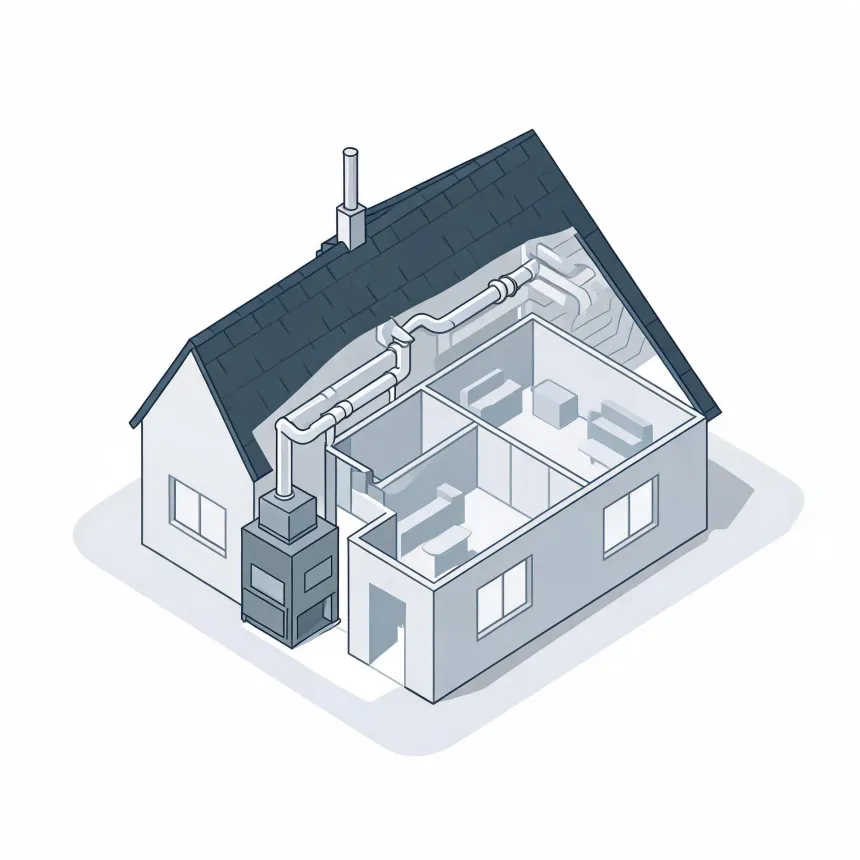
Isometric line illustration of a cutaway single-story house with a dark shingled roof, showing interior rooms and ductwork connected to a gray furnace unit with a flue pipe.
Your furnace works hardest from November through February.

NOAA nClimDiv, 1991–2020 normals

Furnaces in Lincoln Parish only run about five months a year, November through March.

A furnace that rests most of the year usually has less wrong with it, so repair is the right call more often than not.

Furnace trouble tends to hit first in November, when the cold snaps on a part that sat idle since spring

Heat runs November through March
Winter nights average 37°F
Climate zone 3A

Half the homes in Lincoln Parish were built in 1984 or later. If your house falls on that side, the furnace inside it is probably still within a normal working life. That matters when something goes wrong, because a younger furnace usually has less stacked against it than an old one. Repair is the right call more often than not in that case. If your system came with the house, that's worth checking before you decide anything.

It's usually worth repairing

It has an easier job here than in most places, so your furnace is often in decent shape. Repair is usually worth it.

Find a contractor
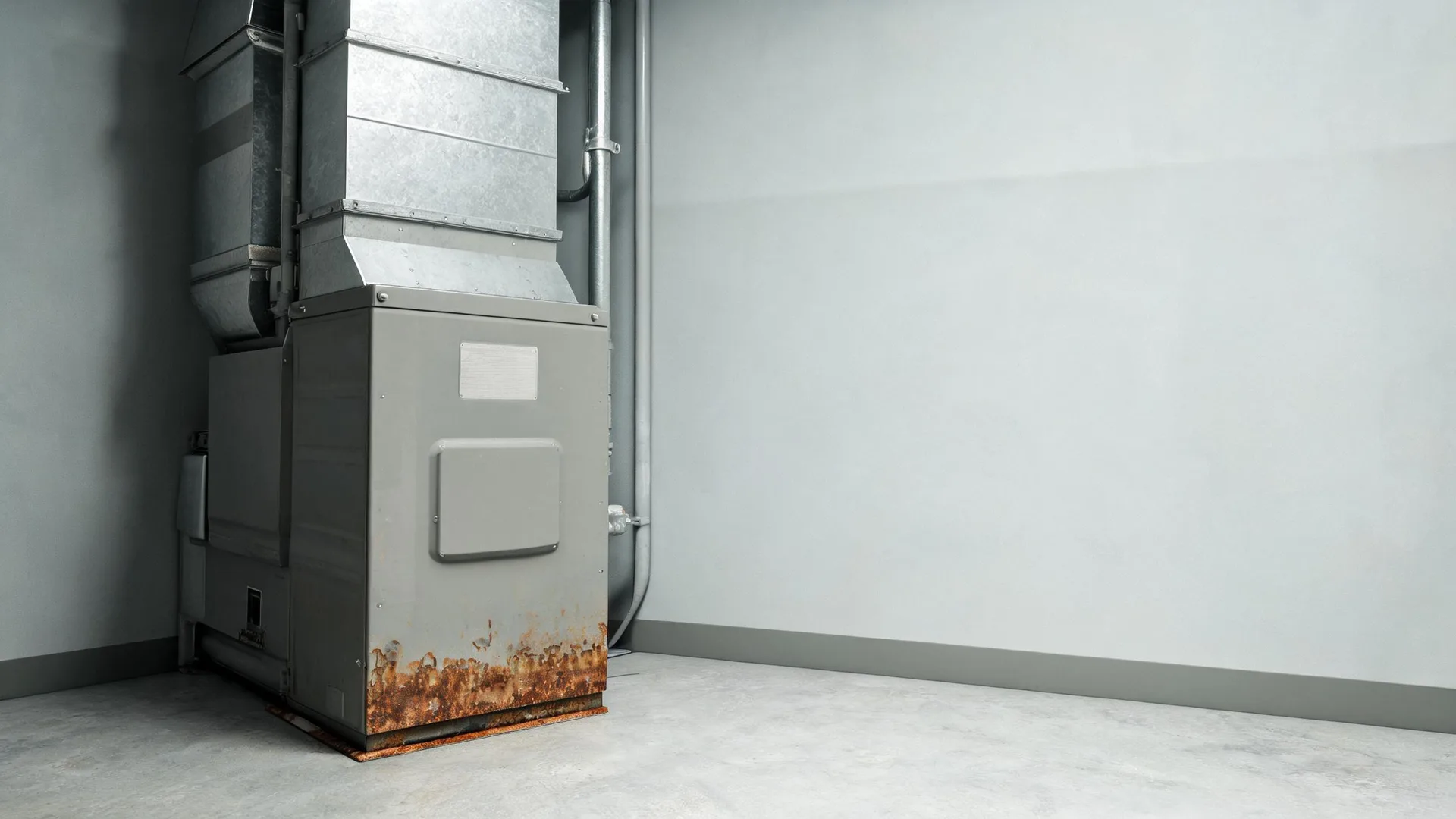
A gray residential gas furnace installed in an unfinished basement, connected to sheet-metal ductwork and PVC pipes.

A mild climate, so wear is rarely the problem

Overnight lows average 37°F through December, January and February, which is mild as winter cold goes. A furnace here isn't fighting single digits night after night. That's one less thing working against it when something breaks, old furnace or new, and one more reason a repair is worth calling in before you think about replacing anything.

A cracked heat exchanger gets worse every hour it runs

A crack in the heat exchanger lets combustion gas mix into the air the blower pushes through the house. The crack doesn't seal itself. Every cycle flexes the metal with heat and lets it cool again, and that flexing is what opens a hairline crack wider. Shut the furnace down when you first suspect this, not after.
A dirty flame sensor turns into a dead furnace

A flame sensor coated with a thin layer of carbon still senses a flame, just barely, so the furnace keeps running for now. Left alone, that coating builds until the sensor can't pick up the flame at all, and the furnace shuts itself off as a safety measure. What starts as a furnace that struggles to stay lit ends as one that won't light at all.

Most furnace failures trace back to one of a few parts, and they tend to fail the same way every time. The igniter is the one most likely to go. It heats up every cycle to light the gas, and that heating and cooling eventually cracks it, the same way a light bulb filament gives out. A flame sensor fails slower, coated bit by bit by the flame it's reading until it can't sense anything. The draft inducer motor wears on its bearings, so it gets loud before it quits. Pressure switches and limit switches rarely fail on their own. Usually something else is wrong first, like a blocked vent or a dirty filter choking airflow, and the switch is just doing its job by shutting things down.

Age isn't the only thing that decides this. Look at the pattern instead. A furnace that's needed one repair in its life is a different case than one that keeps coming back for something new. Repeat visits for different parts usually mean the whole system is wearing down at once, not that you had bad luck more than once. There's also a point where the cost of a repair matters less than what else might fail next, since a furnace with one worn part often has others close behind it, especially if they're the same age and have run the same hours. If a tech finds a cracked heat exchanger, that one isn't a judgment call. Everything else is worth weighing against what the furnace has already put you through.