Heat pump vs furnace in Caddo Parish, Louisiana

Get a Replacement Quote

Installers who work in Caddo Parish

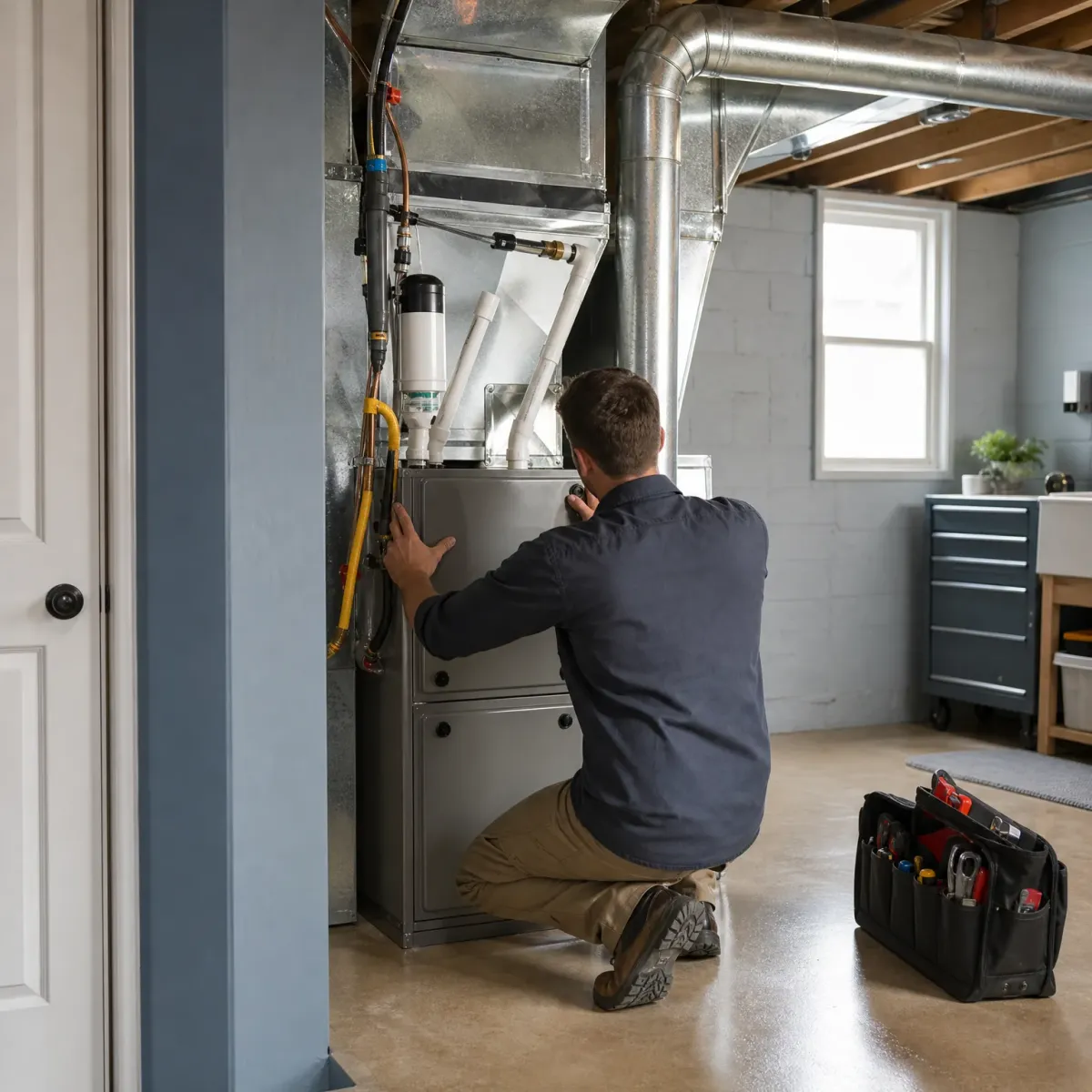
A man kneels beside a furnace in a basement with overhead metal ductwork, with an open tool bag on the floor to his right.

Tell us about the job

Takes about a minute. No obligation.

New system or replacementCaddo Parish, LA
Step 1 of 3

What kind of equipment?

Which costs less to run in Caddo Parish?

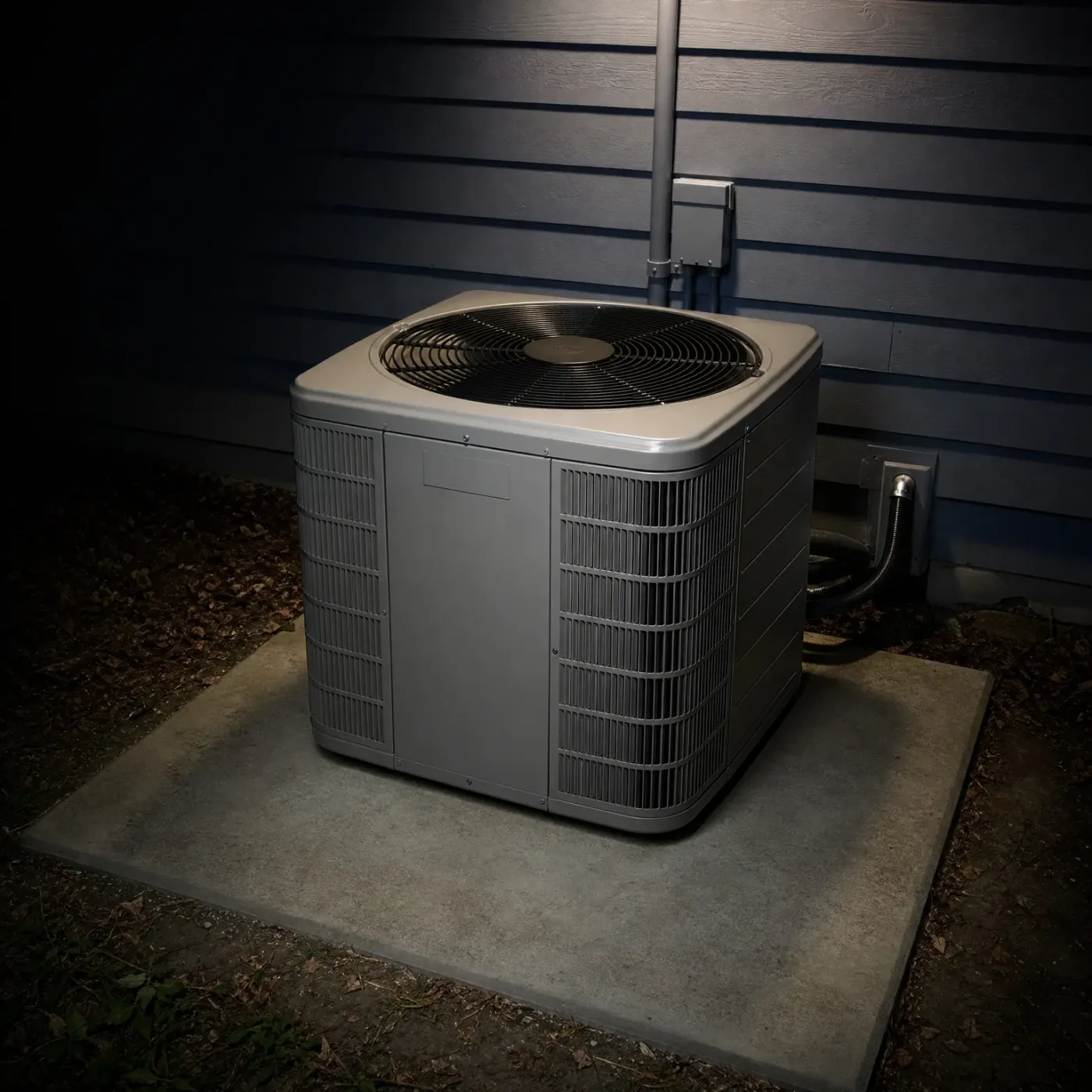
A gray outdoor air conditioning condenser unit on a concrete pad beside a dark horizontal-lap sided house at night, with a conduit, electrical box, and refrigerant lines running into the wall.

Heat pump

To heat your home here$1.56per 100,000 Btu

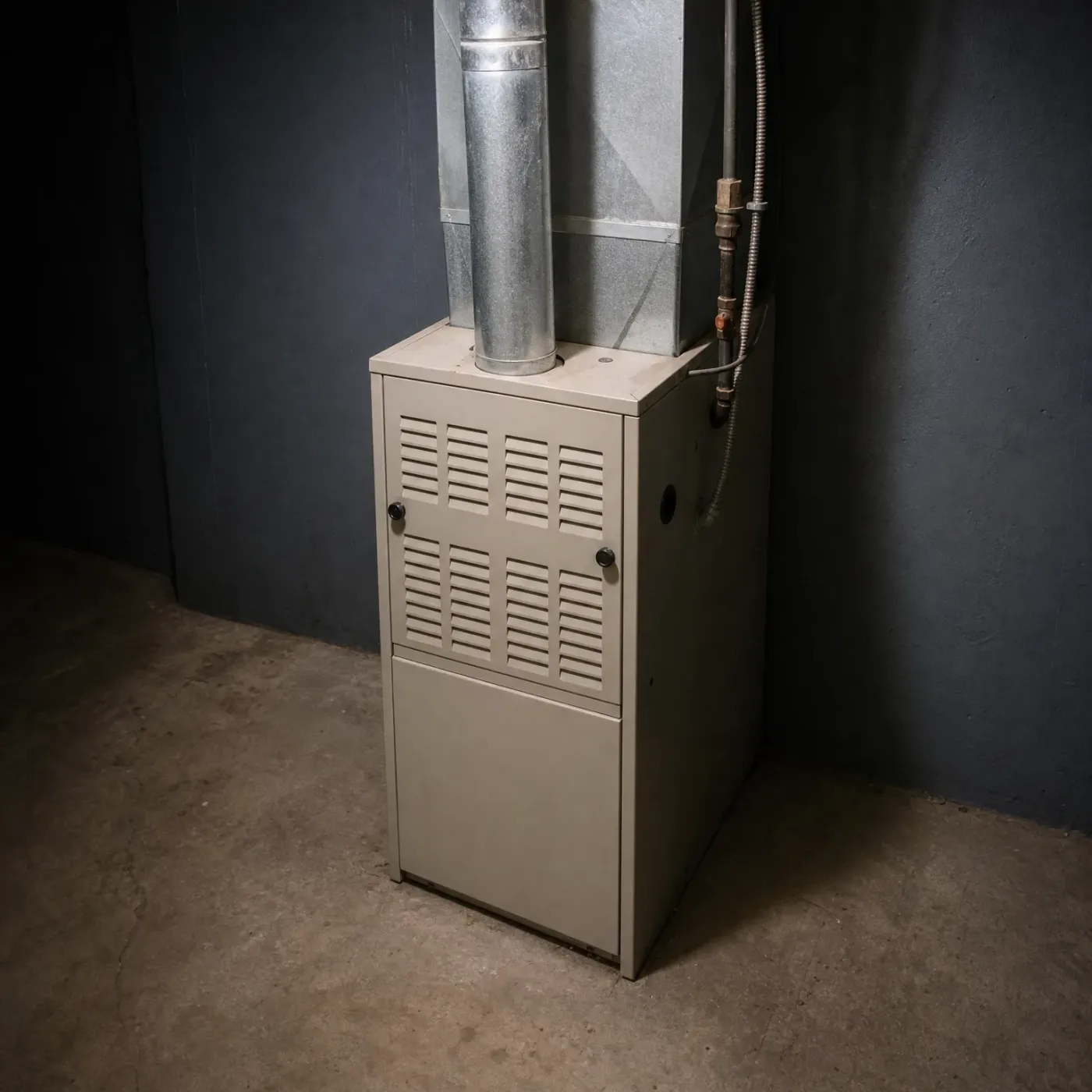
A beige sheet-metal furnace with louvered front panels stands on a concrete floor against a dark gray wall, with galvanized ducting and a flexible metal conduit and pipe running up from its top.

Furnace

To heat your home here$2.00per 100,000 Btu

At Louisiana's gas and electricity prices, a heat pump makes the same heat as a gas furnace for about 22% less.

Btu stands for British thermal unit, the standard measure of heat energy.

Where does a heat pump shine?

  • Made for mild winters

    Winter nights here average 38°F, which is mild enough for a heat pump to do its job without struggling. It can pull heat from outside air all season instead of switching to backup heat on the coldest nights.

    Covered front porch of a gray horizontal-siding house with a pale blue-gray front door, lit wall lantern, black rocking chair with cushion, small side table and mug, boots and a potted evergreen, above wide stone-faced steps flanked by shrubs.
  • Covers a long cooling season

    Cooling runs May through October here. A heat pump is built to carry that load and still heat your home the rest of the year, so one system does both jobs.

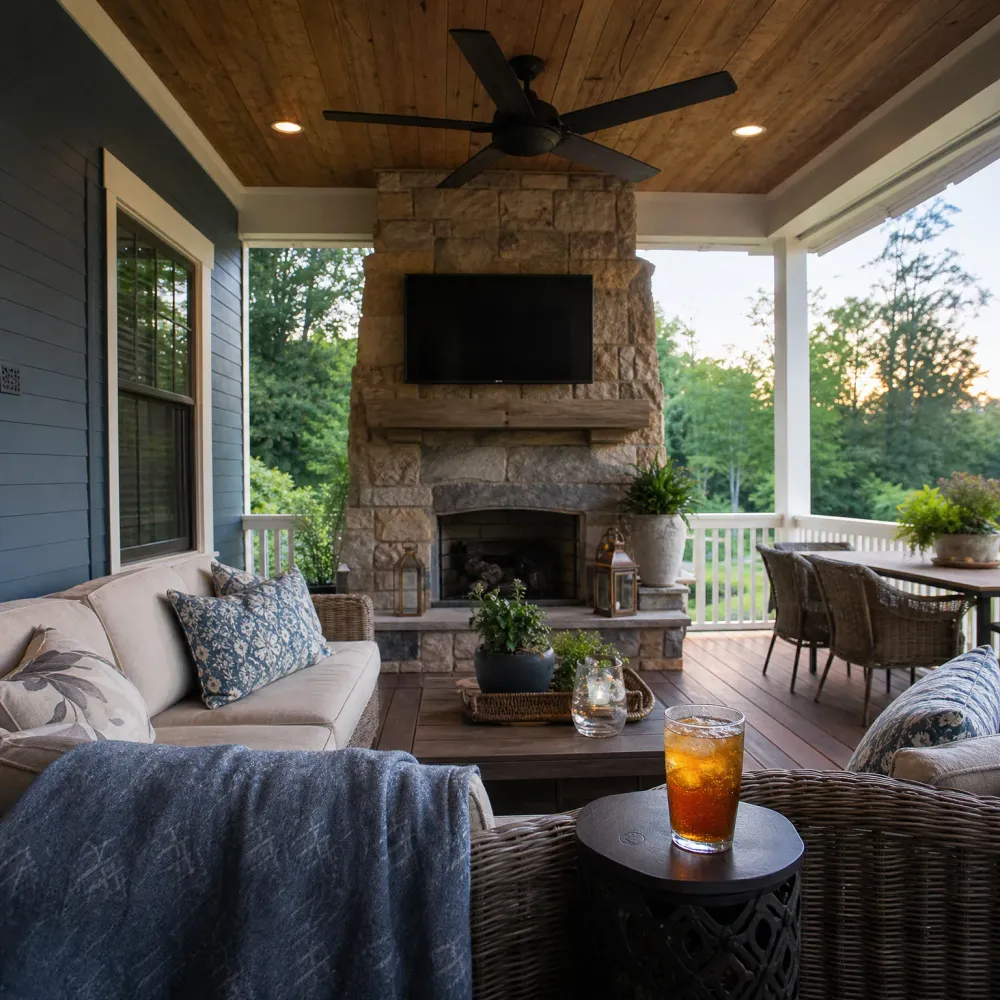
    A covered porch with a wood plank ceiling and ceiling fan, a stone fireplace with a mounted flat-screen TV above a wood mantel, wicker seating with cushions and a blue throw, potted plants, a dining table with wicker chairs, and a glass of iced tea on a round side table.
  • Heats and cools in one system

    A heat pump runs the same way all year. It pulls heat into the house in winter and pushes it out in summer.

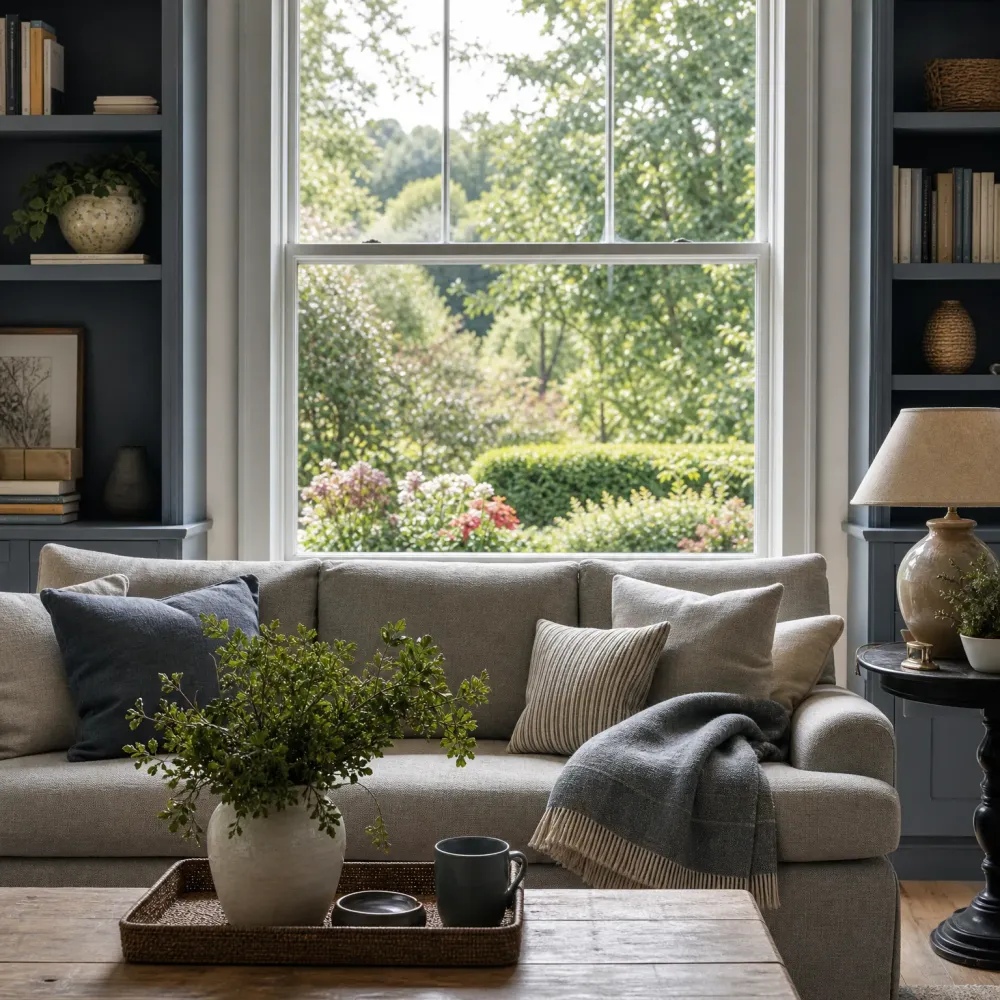
    A living room with a gray upholstered sofa with cushions and a gray throw beneath a large window overlooking a garden, flanked by dark built-in bookshelves, with a wooden coffee table holding a woven tray, mugs, and a potted plant in the foreground.

Where does a furnace shine?

  • Proven, simple, easy to get serviced

    Parts are easy to find and most repairs are routine. Getting one fixed rarely means waiting on a specialist.

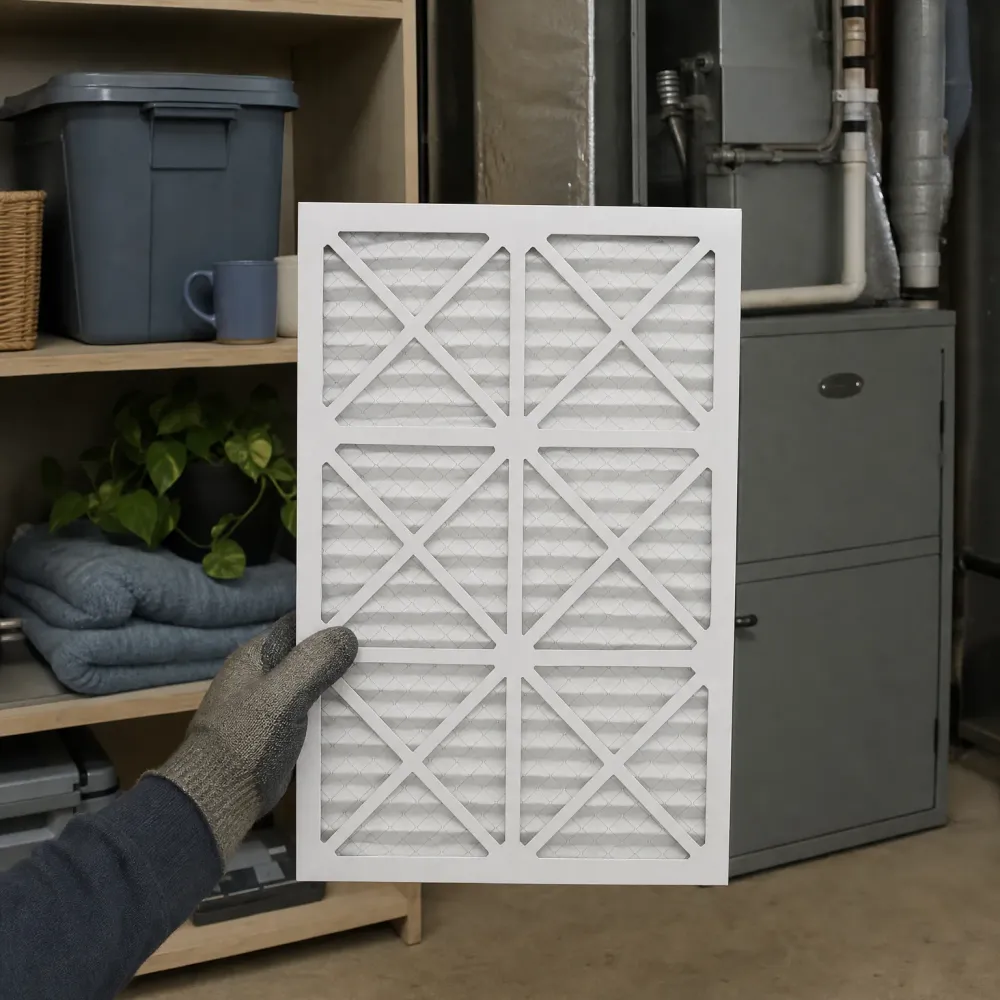
    A gloved hand holds a white pleated air filter in front of a basement furnace, with shelving holding bins, towels and a potted plant at left.
  • Pairs with any central AC

    Most central air systems are built around a furnace. The two share the blower, the ducts and the thermostat.

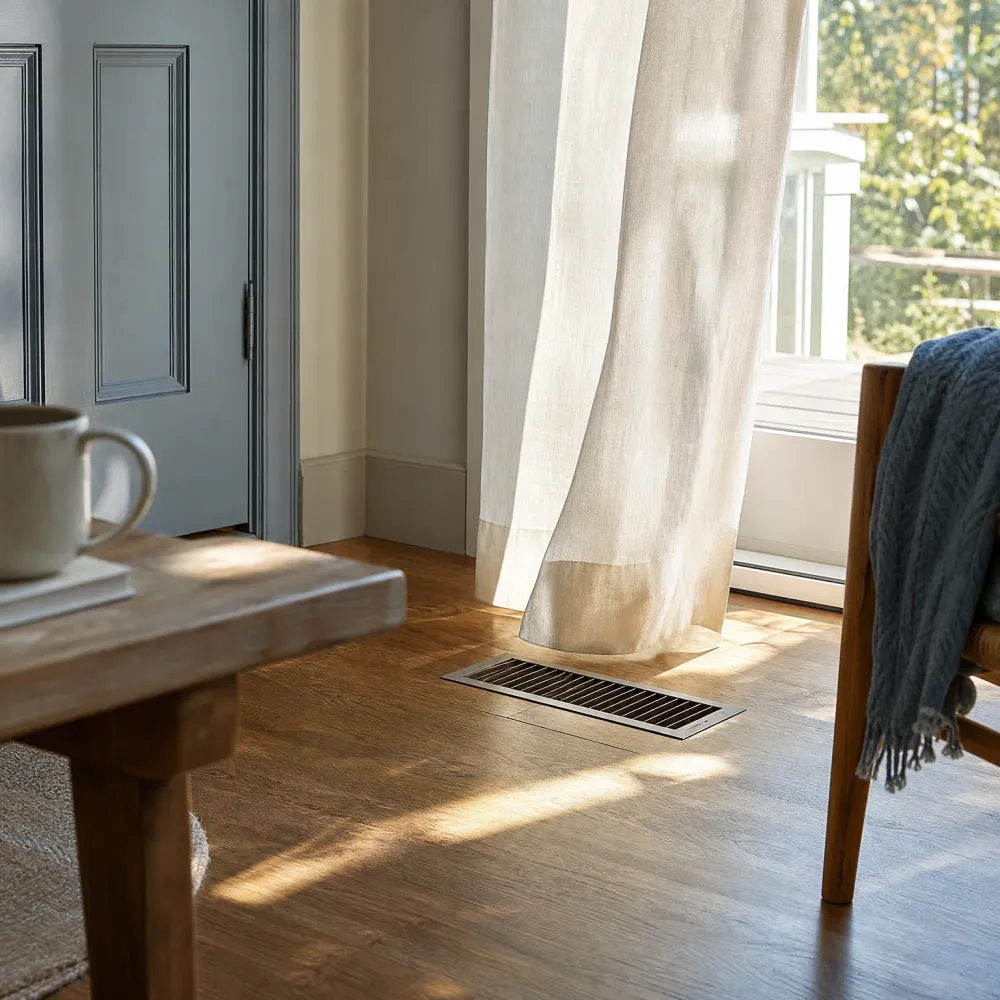
    A metal floor vent set in a hardwood floor near a window with a sheer curtain, with a wooden bench holding a mug at left and a wooden chair draped with a blue throw at right.
  • Fast, strong heat on demand

    The air coming from the vents feels genuinely hot. That's welcome on a freezing morning.

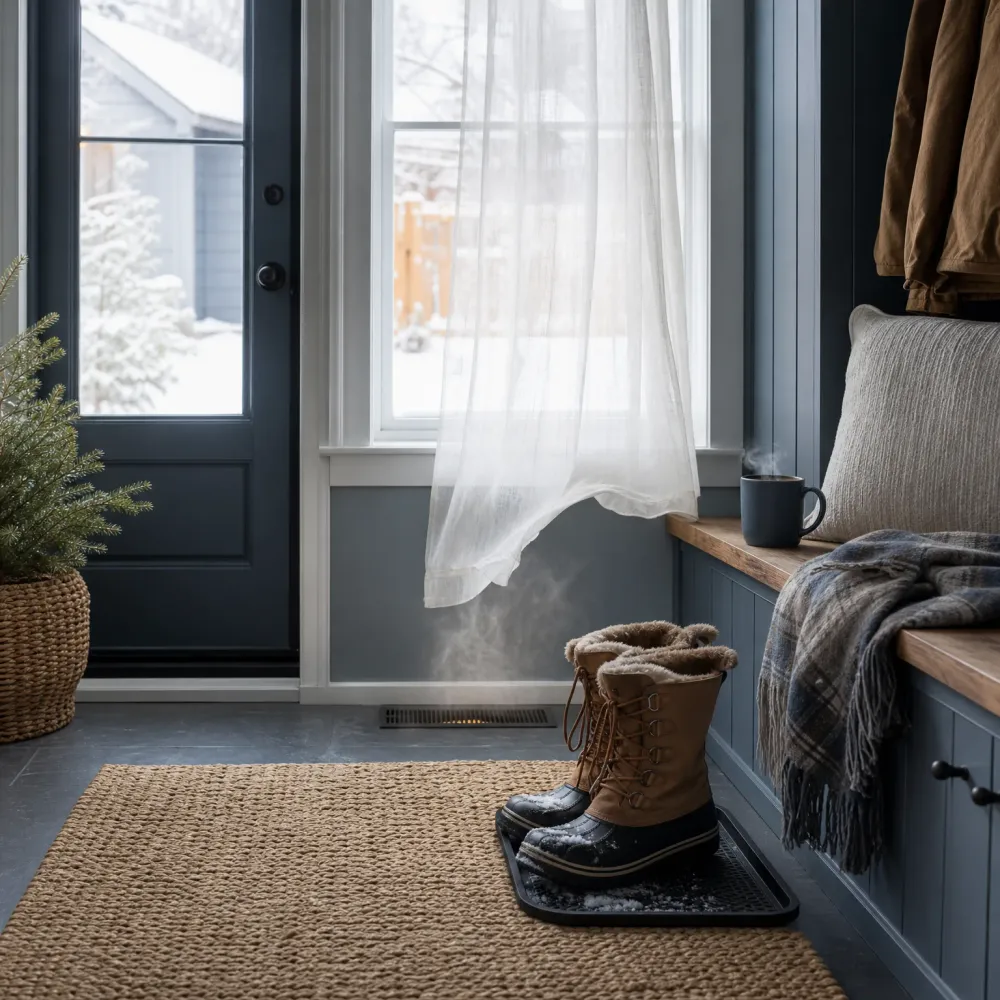
    A mudroom entry with snow-dusted tan and black winter boots on a rubber tray, a woven jute rug, a wooden bench with a plaid throw and pillow, a steaming mug on the windowsill, a sheer curtain, a dark glass door, and snowy trees outside.

Your winter isn't the problem

Winters here are mild. The overnight low averages 38°F across December and January, and it only drops to freezing or below about 30 nights out of the roughly 150 the heat runs. That's under a quarter of the season. A heat pump works hardest when it's coldest outside, and it's rarely that cold here. For most of those five months, November through March, a heat pump is just moving heat it doesn't have to fight for.

That's also why it costs less to run. A heat pump built to the federal minimum makes heat here for $1.56 per 100,000 Btu against $2.00 for a gas furnace built to the same standard, both priced at Louisiana's own electricity and gas rates. Run the two side by side all winter and the heat pump wins on the bill every month.

The furnace has an answer to the cold nights a heat pump doesn't: it burns gas and makes heat directly, so it doesn't lose ground when the temperature drops. But here, with 30 nights a year at or below freezing, that strength matters less than it would somewhere colder.
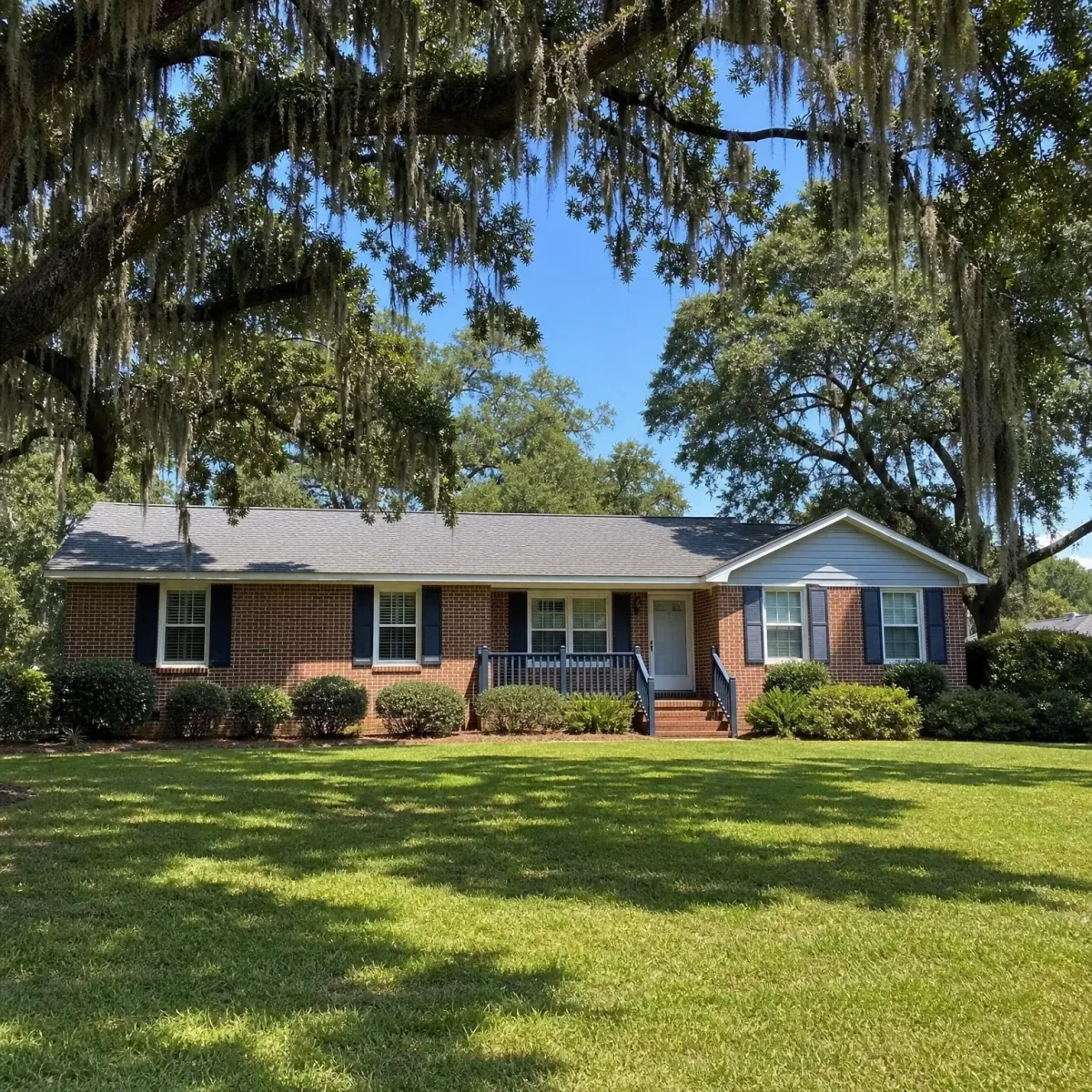
A single-story brick ranch house with dark blue shutters, a small covered front porch with railings, and a gray shingled roof, set behind a mown lawn and framed by large oak trees draped with Spanish moss.

What the rest of the year asks for

Cooling is the longer season here, six months against five, and the afternoon high averages 93°F in June, July and August, reaching 90°F or above on about 95 days a year. A furnace has no part in any of that. It only heats, so for seven months a year, it sits unused while a separate AC unit does all the work. A heat pump runs both sides, the heat in winter and the cooling all summer, as one system instead of two.

That matters for what's already in the house. If your system came with the house, Caddo Parish splits close to down the middle on how it's set up: 55.6% of homes here heat with electricity and 42.3% with utility gas, and half the homes in the parish were built in 1975 or earlier. A furnace still needs a separate AC unit to cover the cooling season, and it pairs with any central air already in place. A heat pump replaces both at once, which matters more if what's there now is old enough to need replacing anyway, and less if the AC still has years left in it.

Sources: NOAA nClimDiv · NOAA 1991–2020 seasonal normals · EIA SEDS 2024 · 10 CFR 430.32 · Census ACS 2020–2024

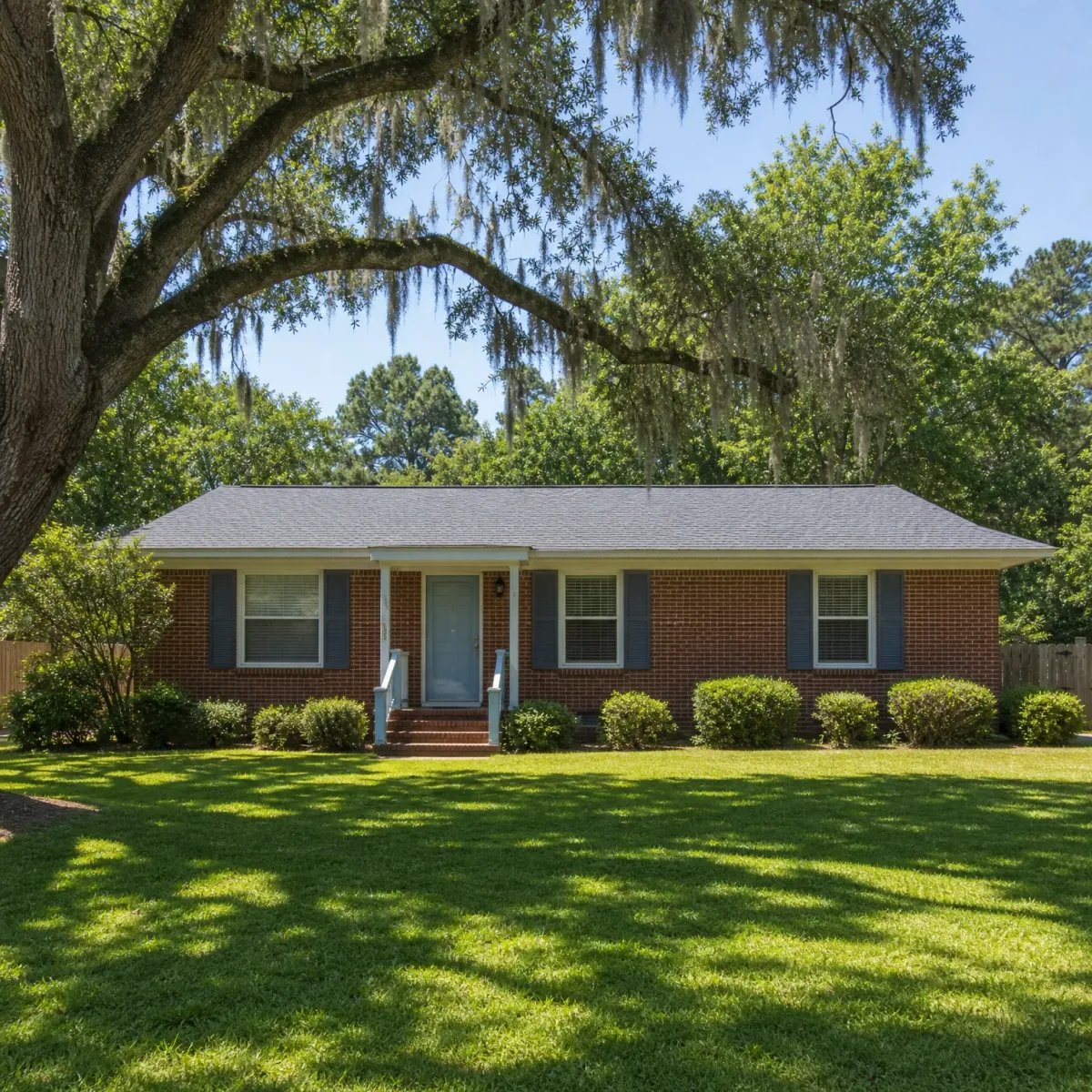
Single-story red brick ranch house with gray shingle roof, blue shutters and front door, low shrubs along the foundation, a mowed green lawn in front, and a large moss-draped oak branch overhanging from the left.

Common questions about heat pumps and furnaces

  • Will a heat pump keep my house cool enough here?

    Yes. A heat pump is an air conditioner in the summer, it just also runs in reverse to heat your home in winter. Caddo Parish runs cooling about six months a year, May through October, with afternoons hitting 90°F or above on about 95 days, and a heat pump built to current standards cools the same way a central AC does.

  • Can I keep my furnace and add a heat pump?

    Yes, and in Caddo Parish that pairing is called a dual fuel system. The heat pump handles the heating down to whatever temperature you set, then the furnace takes over on the coldest nights. With lows at or below freezing on only about 30 nights a year here, the furnace would mostly sit idle, stepping in for the handful of mornings when it's worth the extra heat.

  • What if my house doesn't have a gas line?

    A heat pump is usually the better option. Without a gas line, the furnace alternative is propane or oil, both of which have to be delivered and stored on site, while a heat pump runs on electricity like your central air already does. It also covers your six-month cooling season, which a propane or oil furnace can't do at all.

  • Is a heat pump cheaper to run than a furnace in Caddo Parish?

    Yes. At Louisiana's average fuel prices, a heat pump makes heat for about $1.56 per 100,000 Btu against $2.00 for a gas furnace. Electricity costs more than natural gas here per unit of fuel, but a heat pump moves heat instead of burning fuel to make it, so it ends up cheaper to run through the five months Caddo Parish needs heat.