Weather here is not the main suspect
Assumption Parish saw 22 severe weather events between 2015 and 2024, and only one was a winter storm. A heat pump out in Napoleonville is more likely dealing with a worn part than storm damage.
Takes about a minute. No obligation.
Assumption Parish saw 22 severe weather events between 2015 and 2024, and only one was a winter storm. A heat pump out in Napoleonville is more likely dealing with a worn part than storm damage.
Close to half of Louisiana households went at least 24 hours without power in 2024. If your heat pump won't start, check the breaker and any outdoor disconnect before assuming the unit itself failed.
NOAA nClimDiv, 1991–2020 normals
A heat pump running nonstop without warming the house has lost its ability to move heat, not just slowed down.
A failing reversing valve or a low refrigerant charge both show up this way, and either one left alone puts the compressor at risk.

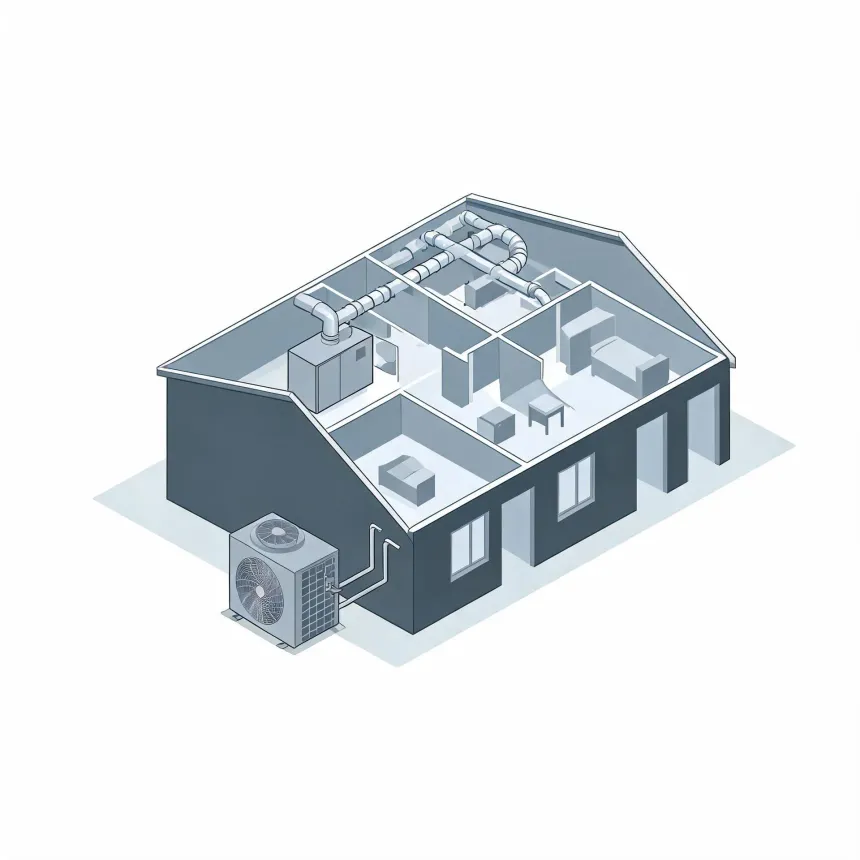
Half the homes in Assumption Parish were built in 1983 or earlier, half in 1983 or later, so the age of your house doesn't point to one likely cause by itself. Mobile homes make up close to a third of the housing stock here, and a heat pump paired with one often runs a smaller air handler and shorter duct runs than a site-built home uses. That changes what a repair involves, not whether one is needed. A technician checking yours will want to know which setup you have before opening the board or touching the refrigerant lines.
Nothing about this area is especially hard on it. It's most likely the usual problem with the usual fix.
Find a contractorA heat pump works year round, so it never gets the off season a furnace or an AC gets to sit idle. That steady use is what wears it out. The reversing valve switches every time the system changes between heating and cooling, and over many cycles the seal inside it wears until it starts bypassing refrigerant. Contactors and capacitors carry the load every time the compressor and fans start up, and that stress breaks them down slowly until one day they don't make contact. The outdoor coil sits outside through everything, and dirt and debris build up on the fins until the system can't pull in or release heat the way it needs to. Refrigerant lines develop slow leaks at the fittings over years of vibration, and a system low on charge has to run longer to do the same job, which wears everything else faster. None of this means a breakdown is sudden or mysterious. Most of it is a part that has been quietly losing ground for a while before it finally gives out.
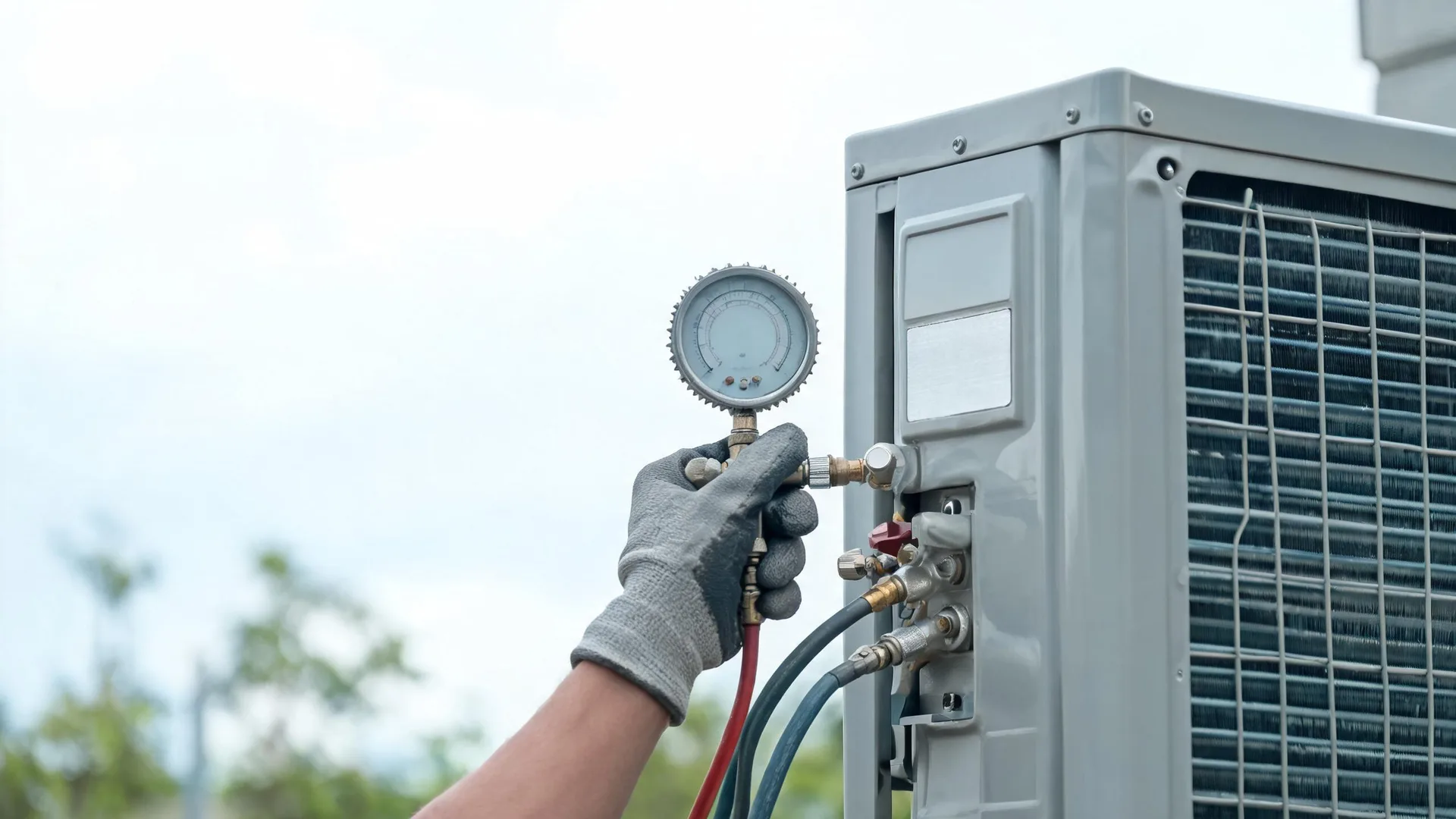
Look at the outdoor unit and clear away leaves, grass clippings or anything blocking the fins. Check that the indoor filter isn't clogged, since restricted airflow can make a heat pump struggle the same way a refrigerant problem does. Look at the thermostat and make sure it's set to heat and the temperature is actually above room temperature. Check for ice covering the outdoor coil beyond what normally melts off during a defrost cycle.
Don't take the outdoor panels off or touch anything inside the cabinet. The refrigerant lines, the reversing valve and the electrical connections all need the right tools and training to check safely, and opening the unit up without them risks a burn, a shock or a line damaged further. If the breaker trips more than once after you reset it, stop resetting it and get a technician out instead.
A heat pump that needs a repair every year isn't necessarily on its way out, since a contactor or capacitor is a small, inexpensive part to swap and has nothing to do with the condition of the compressor. What changes the math is a compressor failure or a refrigerant leak in the coil itself, since both point to the sealed system rather than a part bolted on to it. Age matters less than how the system has been run. One that's short-cycled for years on a failing part carries more wear across the board than one that's simply old. If the repair being quoted is close to what the system is worth, or the same failure keeps coming back, that's a different conversation than a one-time part going bad.