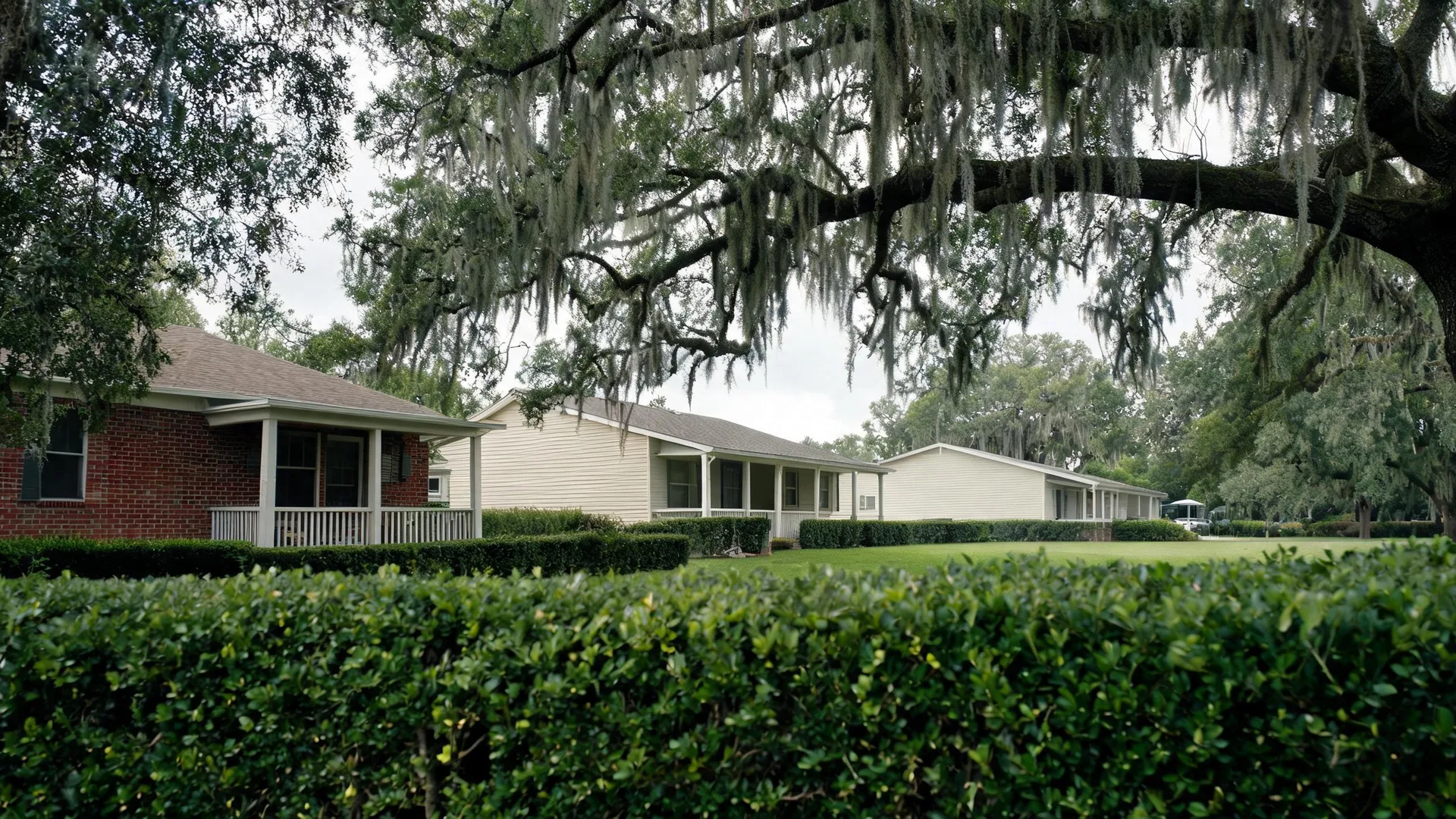







Single-story buildings with pale siding and one brick section with a covered porch stand behind a trimmed hedge and lawn, under a large moss-draped oak branch.

Heat Pump Repair in Farmerville, LA

Tell us about the job

Takes about a minute. No obligation.

RepairHeat PumpUnion Parish, LA
Step 1 of 2

What ZIP code is the job in?

Union Parish has seen 174 severe weather events over the past ten years, between wind, hail and tornadoes. A heat pump's outdoor unit sits through all of it, with coil fins and a fan blade exposed to whatever comes through. Hail can dent the fins or bend the blade without stopping the unit from running that day. Wind-blown debris does the same. If a storm has come through since anyone last had the outdoor unit looked at, it's worth having it checked even if the system seems fine right now.

5 months
November through March, your system heats
5 months
May through September, it cools
37°F
the average winter night it heats against
92°F
the average summer afternoon it cools against
Isometric grayscale illustration of a cutaway house showing interior rooms, ducted air handler and duct runs, connected by pipes to an outdoor condenser unit beside the building.
Your system heats November through March and cools May through September.

NOAA nClimDiv, 1991–2020 normals

A dirty outdoor coil makes the unit work harder and can ice over.

Rinse the fins with a hose when the system is off, from the top down, before calling anyone.

Half the homes here are older, but that's not what's breaking your heat pump

Half the homes here were built by 1987
112 damaging wind events from 2015 to 2024
Power costs 11.73 cents a kWh statewide
November tests the heat pumpOctober is the month to get it checked here.

A heat pump that's old and struggling is a different call than one that's a few years in and just had one part fail. If the compressor is going, that's usually the point to think about replacing the whole system rather than fixing it, since a compressor repair costs most of what a new unit does and the rest of the system is aging right alongside it. A bad capacitor, a failed contactor, a low refrigerant charge from a slow leak, those are normal repairs on a unit that's otherwise sound. The age of the unit matters more than how long you've owned the house, since a system can come with the place and already be well into its working life. Ask the contractor what they're seeing on this specific unit before deciding anything.

Get it checked after a storm

Storms hit hard here. If the outdoor unit took hail or debris, have it checked even if it still runs.

Find a contractor
A man in a cap, dark long-sleeve shirt and dirty work pants walks up wooden steps toward a dark gray front door, carrying a canvas tool bag in his right hand, with a potted shrub beside the entry.
A white mini-split heat pump outdoor unit mounted on a concrete pad beside a gray-sided house, surrounded by gravel and green shrubs.

It runs every month, so it wears every month

A heat pump runs in both directions, all year, so it never really gets a season off like a furnace does. That reversing valve is one of the first things to wear out, since it's switching back and forth with every call for heat or cooling. The outdoor fan motor and the compressor both log hours every month, not just in summer, and the contactor that feeds power to the outdoor unit wears a little every time it clicks shut. None of this happens because of one bad month of weather. It happens because the unit cycles on and off thousands of times over its life, and each cycle takes a small toll on the same handful of parts.

A weak start turns into a dead compressor

A heat pump with a failing capacitor or a low charge still runs, just harder than it should. The compressor draws more current to do the same job, and it runs hotter doing it. Keep running it that way and the compressor is what gives out, and a compressor failure is usually a replace-the-system decision, not a repair.
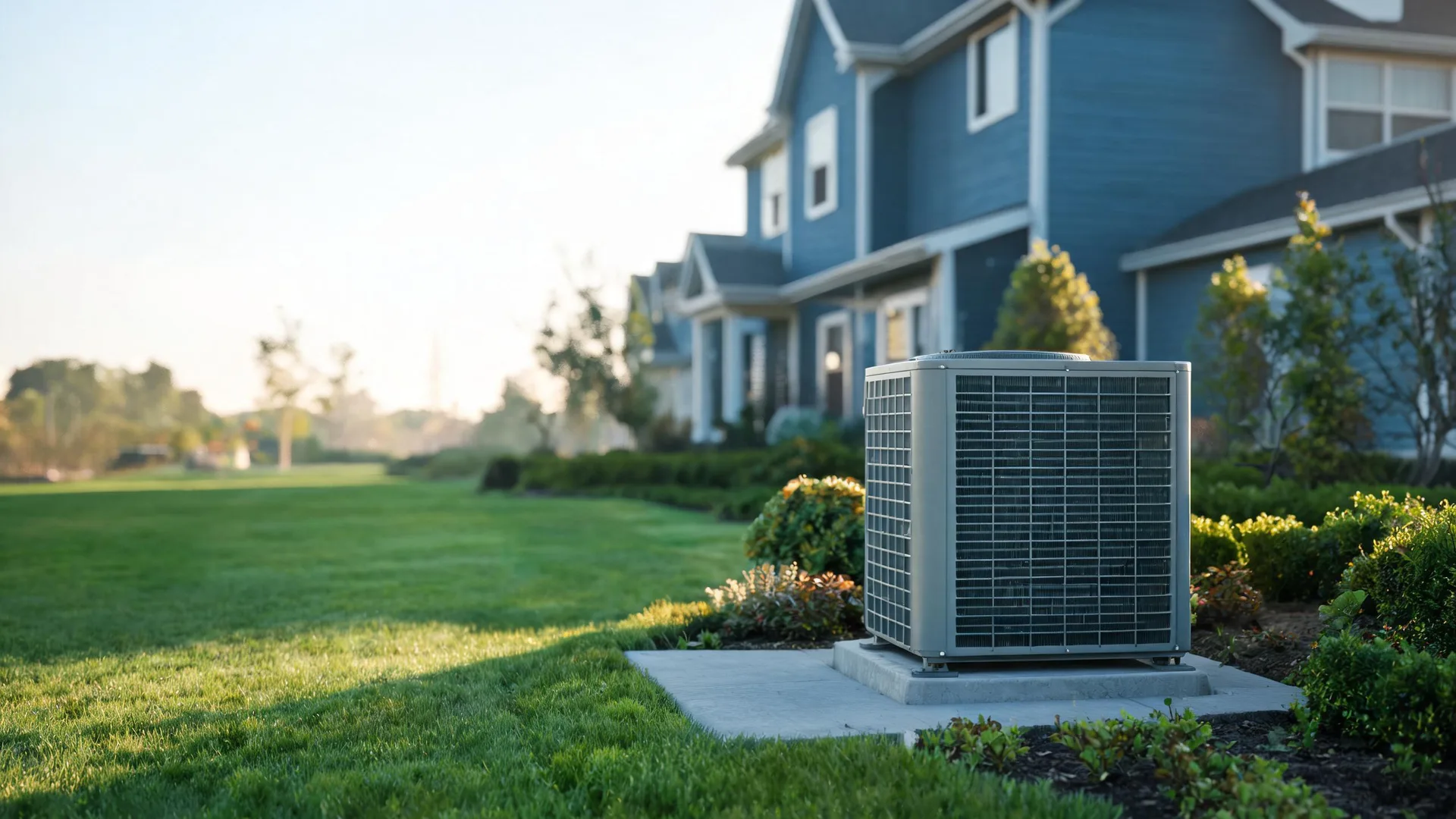
Ice does not stay a small problem

A low charge or weak airflow lets frost build on the outdoor coil. Once ice forms, it blocks the airflow the unit needs even more, so the coil ices up faster the next cycle. Left alone, that cycle can push liquid refrigerant back into the compressor, which is the one failure that cannot be repaired.

A heat pump that needs attention usually tells you before it quits outright. It blows air that is not warm enough in the cold months or not cool enough in the hot ones, like it is trying but not getting there. Short cycling is another sign. The unit kicks on, runs a few minutes, shuts off, then starts again soon after, instead of running a full steady cycle. A hum with no fan movement points to a stuck contactor or a bad capacitor. Grinding or squealing from the outdoor unit usually means a motor bearing is wearing out. Ice on the outdoor coil when it should not be there, or the indoor coil sweating and dripping, both mean airflow or charge is off. If the outdoor unit is running but the air inside never changes temperature, do not wait on that one.

A diagnostic visit starts outside at the unit itself, looking at the fan blade, the coil fins, the line set, before anything gets hooked up. Gauges go on next to check the refrigerant charge and the pressures on both sides, since that tells whether the system has a leak or is just low from age. Amp readings on the compressor and the fan motor show whether either one is drawing more current than it should, which points to a motor on its way out before it fully fails. Indoors, the tech checks the temperature of the air coming out against the air going in, since that difference says whether the unit is actually moving heat the way it is supposed to. The reversing valve gets tested too, switching the system between heating and cooling, because a valve that is slow to shift or stuck partway can mimic other problems. Skipping any part of this means guessing at the rest.