12 to 15 years
That is the typical run for a central air conditioner here, from the first summer it's installed to the summer it finally can't keep up.
 Find an air conditioner pro
Get matched with someone who does this kind of work in Calcasieu Parish.
A central air conditioner in Lake Charles works harder than one in most of the country. Summers here run long, April into October some years, and the air stays heavy with humidity the whole time. That means your system is cycling on more often, and running longer each time, than it would somewhere cooler and drier. How long it lasts depends on how it was sized, how it was installed, and how it's been maintained, but the climate here sets the baseline.
If your unit is getting old, or it's already given you trouble this summer, you're probably wondering whether it makes more sense to keep repairing it or replace it. That's not a question you can answer by yourself from a search page. It takes someone looking at your actual system, your ductwork, and your house.
Finding that person is the part that takes time. Calling around to a few companies, explaining the same thing to each one, waiting on callbacks, then trying to compare quotes that are not written up the same way. Most homeowners put this off not because the decision is hard but because the legwork is tedious.
This page connects you with a contractor who installs AC systems in Calcasieu Parish and knows what Lake Charles summers do to a unit over the years. You tell them what's going on with your system once. They reach out to you directly, look at what you actually have, and tell you where you stand, whether that means another few years out of your current unit or a straight answer on what a replacement would look like for your house.
No promises are made here about what they'll find or what it will cost. What this page does is skip the part where you're the one doing the searching.
Most central air conditioners in Lake Charles last 12 to 15 years. Some get to 17 or 18 with regular care, and some give out sooner, especially if the system has sat through a lot of summers running nearly nonstop. The heat and humidity here push the compressor and the coils harder than they'd work in a milder climate, and that steady strain wears the parts down faster than the number on the unit's age tag suggests. A system installed in 2010 has likely logged more run hours than the same unit would have two states north. What this means for you: age is a guide, not a rule. If your AC is past 12 years, pay attention to how it's actually running, not just how old it is. Rising repair costs, warm rooms that used to cool fine, and a unit that runs longer to hit the same temperature are signs the end is closer than the birth year implies.


The compressor is the part doing the real work. It takes refrigerant, pressurizes it, and sends it out to the condenser coil, where the heat pulled from inside your house gets dumped into the outside air. Every bit of wear on the system traces back to how hard that compressor has to work to finish that cycle. When the condenser coil is clean and the refrigerant charge is correct, the compressor runs the cycle, shuts off, and rests until the next one. When the coil is caked with dirt or the charge has dropped low, the compressor can't move the heat out as fast, so it stays on longer and runs hotter to reach the same temperature inside. That extra run time adds up across a summer, and in Lake Charles that summer is long. The outdoor fan motor is under the same kind of strain. It spins whenever the compressor runs, and its bearings wear down by the hour, not by the calendar, so a system running nearly nonstop in July and August puts more hours on that motor than most places see in a season. Airflow on the indoor side matters just as much. A filter clogged with dust chokes off air moving across the indoor coil, and if that coil gets cold enough, ice can form on it, forcing the compressor to cycle against a restriction it was never designed to push through. None of these parts fail on their own. They fail faster when another part nearby isn't doing its job.


That is the typical run for a central air conditioner here, from the first summer it's installed to the summer it finally can't keep up.
Your system pulls moisture out of the air every time it runs, on top of cooling the house, and that extra load is part of what ages it faster here than in drier places.




Skip the round of in-home estimates for a new air conditioner.
Get matched with a pro who works on air conditioners in Calcasieu Parish.
It costs nothing to send, and you don't have to hire anyone.
Listen for it struggling to keep the house at the temperature you set, especially by late afternoon when the heat's been building all day. Check if it's running almost nonstop through the hottest stretch instead of cycling off. Look at the power bill next to last year's for the same month, a steady climb usually means the compressor is working harder to do the same job. Water pooling near the indoor unit or a musty smell when it kicks on both point to a drain line or coil problem. Rooms that used to cool evenly and now have warm spots are another sign. Left alone, a system straining like this tends to fail at the worst time, during a stretch of 95 degree days when you need it most.
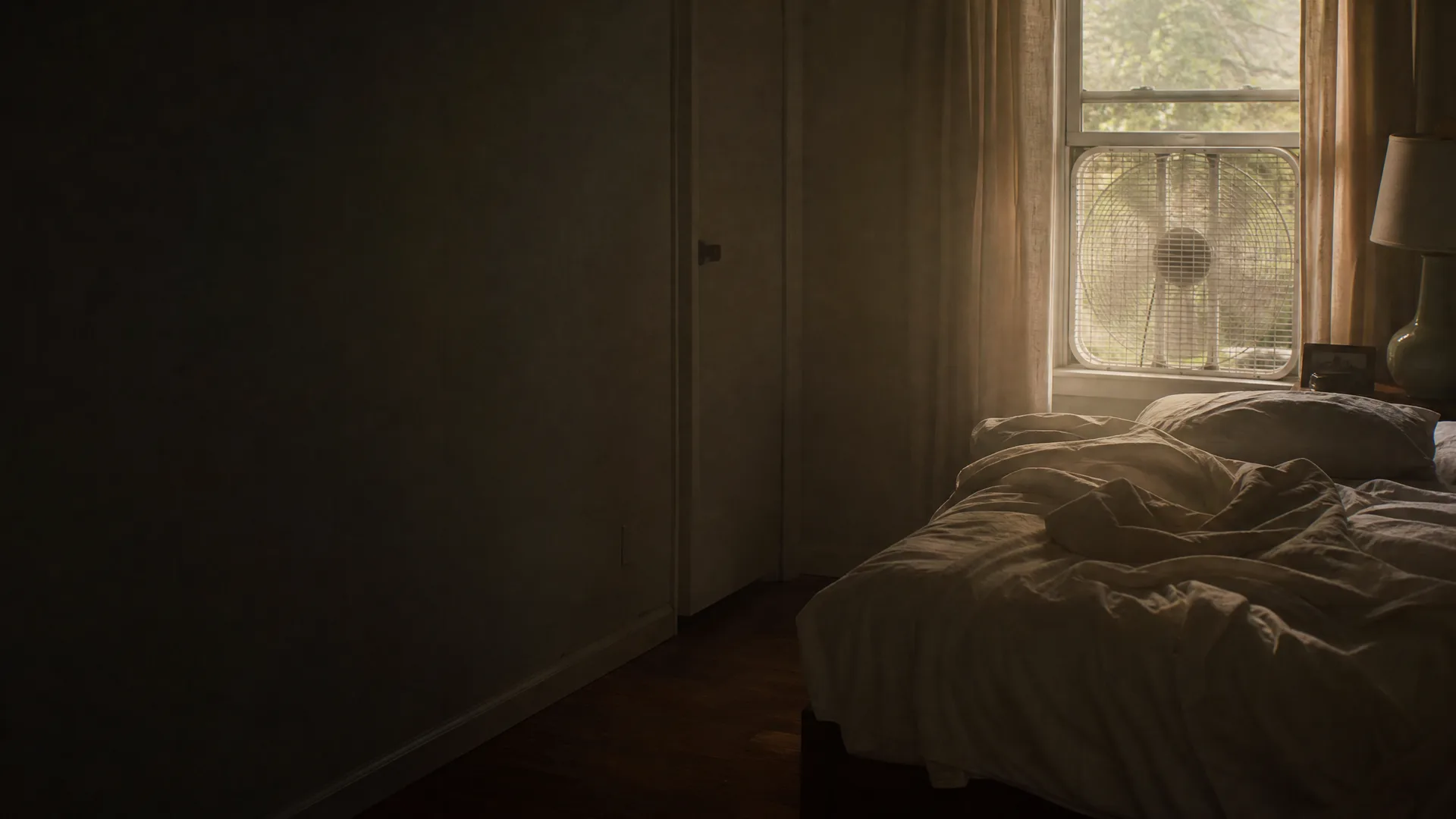
By nine the sun's long down and the upstairs bedroom still hasn't let go of the day. The box fan sits in the open window, turning the outside air, which isn't much cooler, into the only movement in the room. You lie on top of the sheets. The vent in the ceiling is pushing air, but it's not cold, not really, not like it was in May. Downstairs the thermostat reads the number you set it to. Up here it doesn't feel like it. Your shirt sticks to your back and you think about the attic, the duct run up through it, all that heat sitting over your head since noon. The fan just moves the heavy air around the room.
Seven months of cooling a year means your system gets barely a few weeks of rest before the next summer starts. That long stretch of runtime is what wears down a compressor years before one in a milder state would quit.
NOAA nClimDiv 1991-2020

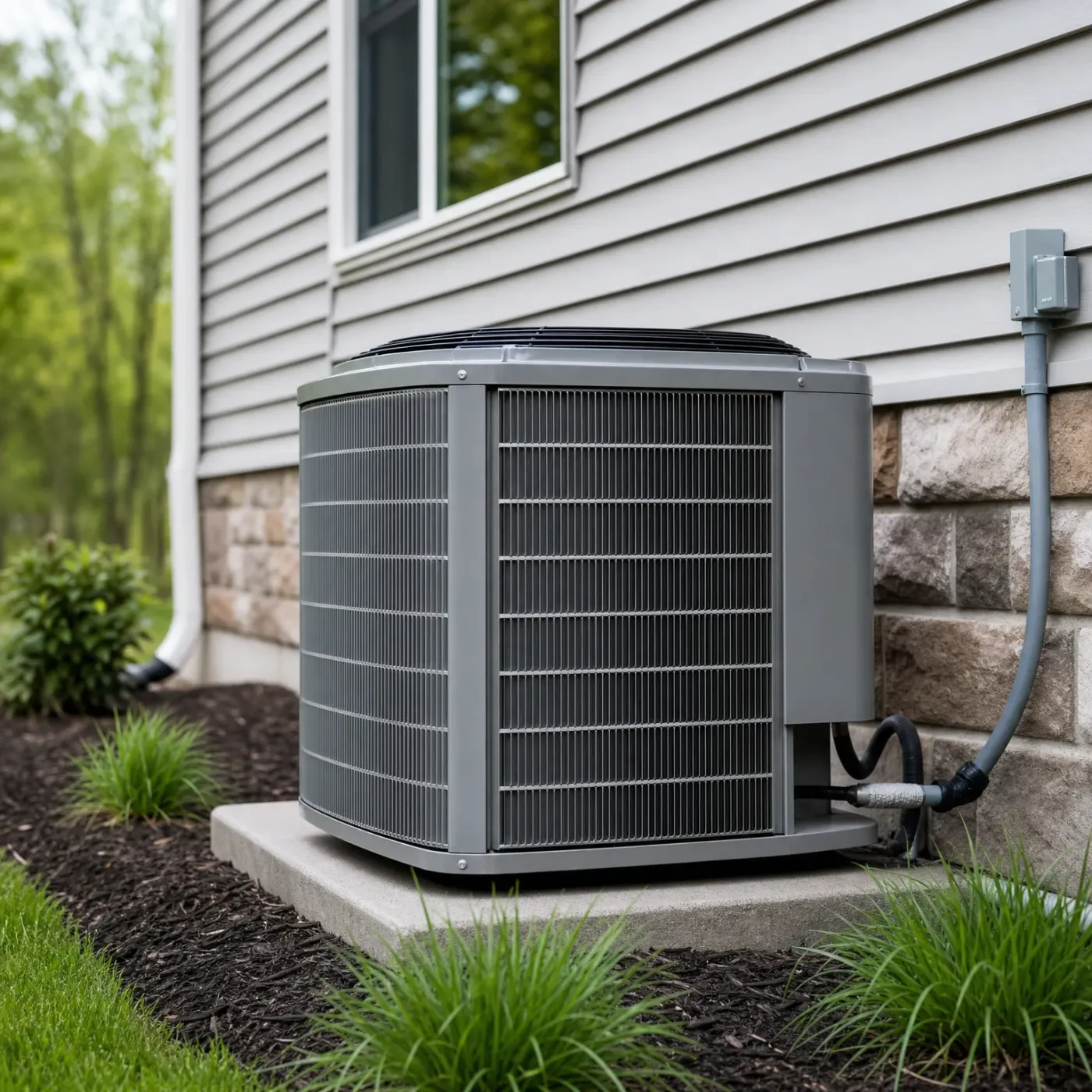
This one sits clear of the mulch and shrubs around it, with open air on every side. The coil stays exposed enough to shed heat fast, so the compressor inside isn't straining to push warm air out through a clogged or crowded space.

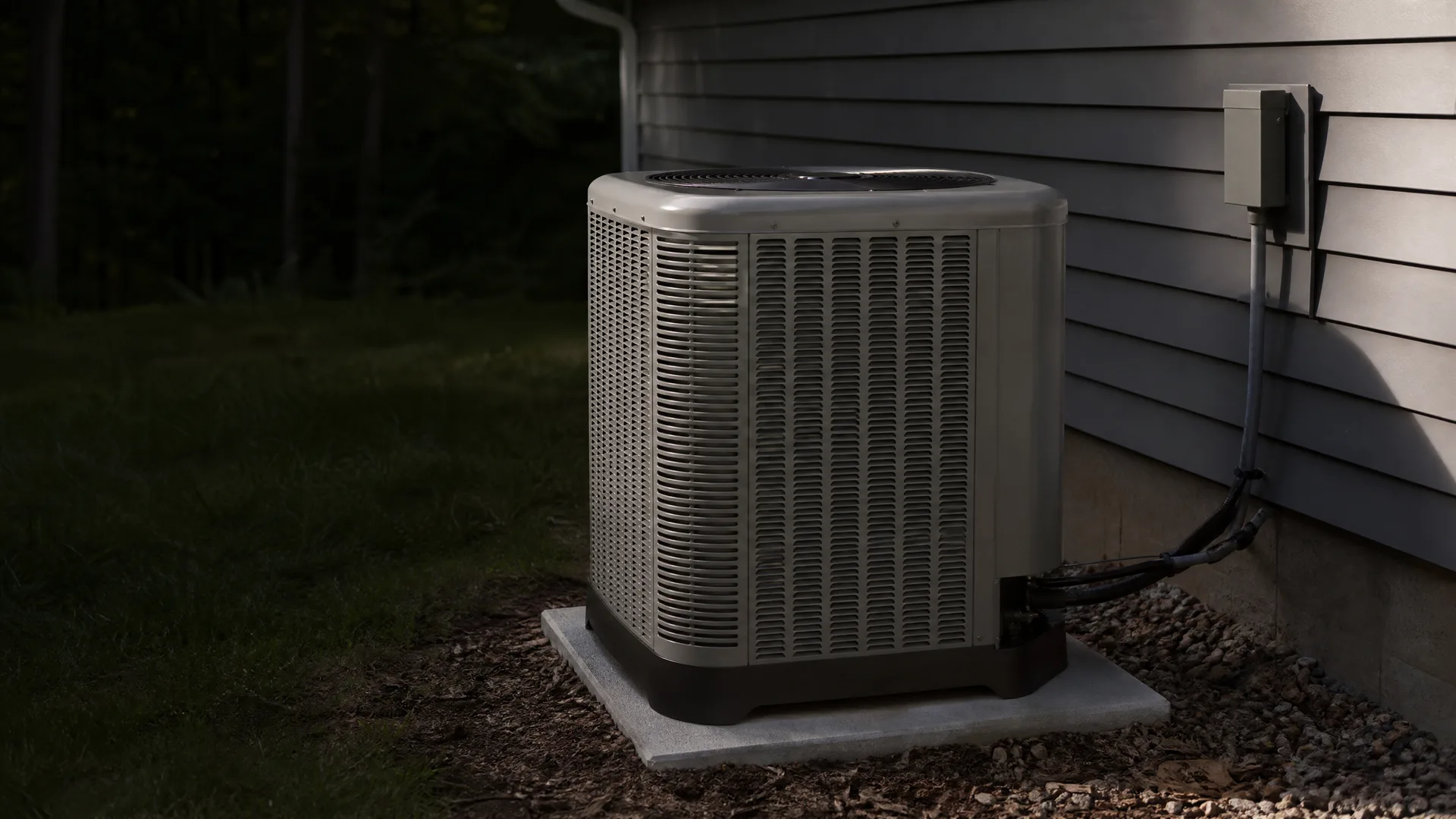
Set tight against the siding, this unit depends on that gap between it and the wall to breathe. Crowd it, or let the coil clog, and the compressor runs longer and hotter each cycle, which is how a unit like this starts failing years early.
You hear about relatives in other states getting 18 or 20 years out of an air conditioner, and yours in Lake Charles never seems to make it that far. It feels like something must be wrong with the unit itself, or maybe how it was installed.
An air conditioner in a drier, cooler state spends a lot of its year sitting off. Yours doesn't get that. The compressor is the part doing the heavy work, squeezing refrigerant so it can carry heat out of your house, and every cycle it runs adds wear to the same internal parts. In Lake Charles those cycles start in April and don't let up until October. The compressor in a house two states north might run half as many hours across a year. Nothing about your unit is built worse. It's just asked to do more work, more often, for more months than one somewhere milder.
That dew point of 74°F averaged through June, July and August is what makes the air feel wet enough to wring out, not just warm. It's recorded by NOAA for Calcasieu Parish. Air that heavy doesn't just sit outside, your system has to pull the moisture out of it before the house feels cool at all, and that's on top of lowering the temperature. The compressor and coil both carry that extra load every time the unit cycles on, all summer. You'll notice it as a system that runs long stretches without shutting off, even once the thermostat says the house is at temperature, because pulling that moisture out takes time the compressor has to spend.
NASA POWER T2MDEW



This condenser sits out in the open on its pad, nothing crowding it, the coil free to shed the heat it just pulled out of your house. Air moves through it the way it's supposed to, so the compressor inside isn't straining to finish a cycle.

This one is still running, but the strain shows. Every cycle it starts asks more of the compressor than the one before it, and in a Lake Charles summer that adds up fast. Left alone, it's headed toward a breakdown on the hottest day of the year.

A central air conditioner in Lake Charles runs 12 to 15 years, sometimes less if it's been fighting a clogged coil or a long run of summers without a tune-up. That number isn't a guess about your unit specifically. It's what the heat and the humidity here do to a compressor over time, no matter whose name is on it. Where your system falls in that range depends on how it's been kept up and how many summers it's already logged.
If yours is getting old or struggling to keep up, the next step isn't tracking down a contractor yourself, calling around for quotes, and explaining the same problem three or four times over. A contractor who works on systems like yours in this area can take a look and tell you where you actually stand, and reach out once you're matched up. No promises on what they'll find, just someone who knows what Lake Charles summers do to a unit like yours.

Matched to your air conditioner job